
‘Be Careful’: Chinese Car Giant Boss Warns Australians Against Buying from Struggling Legacy Brands as Albanese Government’s New Vehicle Laws Spark Fierce Debate
- Australian car buyers are being warned to think twice before purchasing from established brands in decline, with a Chinese car giant’s president urging caution amid fierce debate around the Albanese Government’s new vehicle laws.
- XPeng’s president and vice chairman, Brian Gu, says buying from struggling brands poses a greater risk to customers than emerging brands with strong momentum.
- The warning comes as many Australians express distrust of Chinese companies replacing showrooms held by legacy brands, with some accusing established brands of “taking the Aussie market for granted” and “offering dated products at high prices”.
- The debate has sparked a heated discussion around the impact of the government’s new vehicle laws, with some blaming the policy for making it unsustainable for dealerships to sell certain brands.
As the Australian car market continues to evolve, a warning has been sounded for buyers to be cautious when purchasing from established brands in decline.
Brian Gu, president and vice chairman of Chinese car giant XPeng, has urged Australians to “be careful” when buying from brands that are struggling to keep up with the market.
Speaking at the relaunch of XPeng in Melbourne, Gu emphasized the importance of looking at the trajectory of a company, rather than just its current market share.
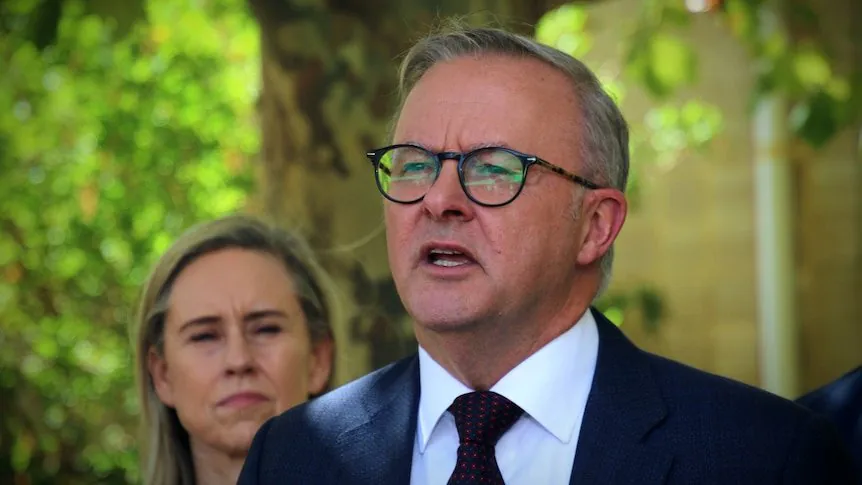
Gu’s comments have sparked a fierce debate around the Albanese Government’s new vehicle laws, with many Australians expressing distrust of Chinese companies replacing showrooms held by legacy brands.
Some have accused established brands of “taking the Aussie market for granted” and “offering dated products at high prices”, while others have welcomed the shift in manufacturing trends.




“Isn’t that the point of capitalism? People are buying vehicles in a competitive market and are seeking to purchase the best value for money vehicle,” one reader commented.
The debate has also raised questions about the impact of the government’s new vehicle laws on the car industry. A car dealer in Wodonga set to close its Volkswagen and Mitsubishi showrooms has blamed the government’s emissions policy for making its business unsustainable.
However, not everyone agrees that the government is to blame. “It’s easier to blame the government than admit you misread the market,” one reader said.
“Consumers changed. The successful brands changed with them.
Those that ignored demand for better value, better tech and more competitive products are now paying the price, not because of Canberra.”
Gu urged motorists to “separate technology from politics” and focus on the benefits of good technology, regardless of its origin.
“Good technology that is useful in China should be used in other countries, a good EV should be made available to customers as widely as possible,” he said.
Analysis: What This Means for Australia
The debate around the Albanese Government’s new vehicle laws and the rise of Chinese car manufacturers has significant implications for Australia’s car industry and the country’s economic future.
As the market continues to shift towards more affordable and technologically advanced vehicles, there are concerns about the impact on established brands and the potential job losses that could result.
However, there are also opportunities for Australia to benefit from the growth of the electric vehicle market and the increasing demand for sustainable and environmentally friendly transportation options.
Security analysts say that the rise of Chinese car manufacturers in Australia also raises concerns about the country’s dependence on foreign technology and the potential risks associated with this.
“As we become more reliant on foreign technology, we need to be aware of the potential risks and ensure that we are taking steps to mitigate them,” one analyst said.
Industry observers believe that the government’s new vehicle laws are a step in the right direction, but more needs to be done to support the growth of the electric vehicle market and to encourage the development of sustainable transportation options.
“The government needs to provide more incentives for people to buy electric vehicles and to invest in the infrastructure needed to support this growth,” one observer said.
As the debate continues, one thing is clear: the Australian car market is undergoing significant changes, and buyers need to be aware of the risks and opportunities associated with these changes.
By being cautious and doing their research, buyers can make informed decisions and take advantage of the benefits that the new vehicle laws and the growth of the electric vehicle market have to offer.