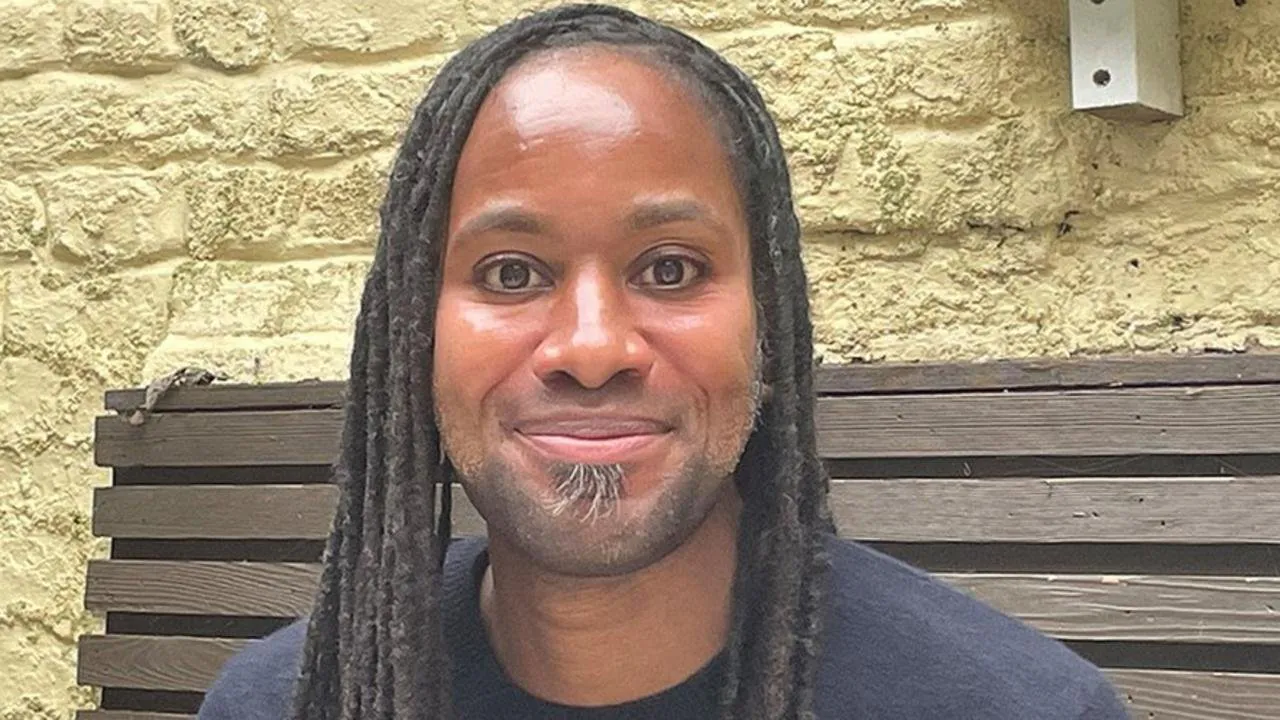
The Cambridge Professor with a Dubious Past: How Jason Arday’s Astonishing Claims Unraveled
- Cambridge’s youngest black professor resigns amid plagiarism probe and scrutiny of his remarkable backstory
- Claims of running 600 miles in six days and raising £5.5 million for charity were later clarified or discredited
- Professor’s alleged experiences, including being threatened at knifepoint and receiving a pig’s head, couldn’t be verified
- Academic’s memoir, ‘Great and Unfortunate Things’, is still set for release despite inconsistencies in his book proposal
Jason Arday’s appointment as Cambridge University’s youngest black professor in 2023 was hailed as a triumph over adversity. The 37-year-old’s remarkable backstory, which included being diagnosed with autism and developmental delays as a toddler, captivated the nation.
However, as the spotlight shone brighter on his academic record and achievements, critics began to question the validity of his claims.
At the center of the controversy was Prof Arday’s doctoral thesis, which allegedly contained similar or identical passages to other academic works. The university initially stood by him, but eventually launched an investigation into his qualifications and honorary appointments.
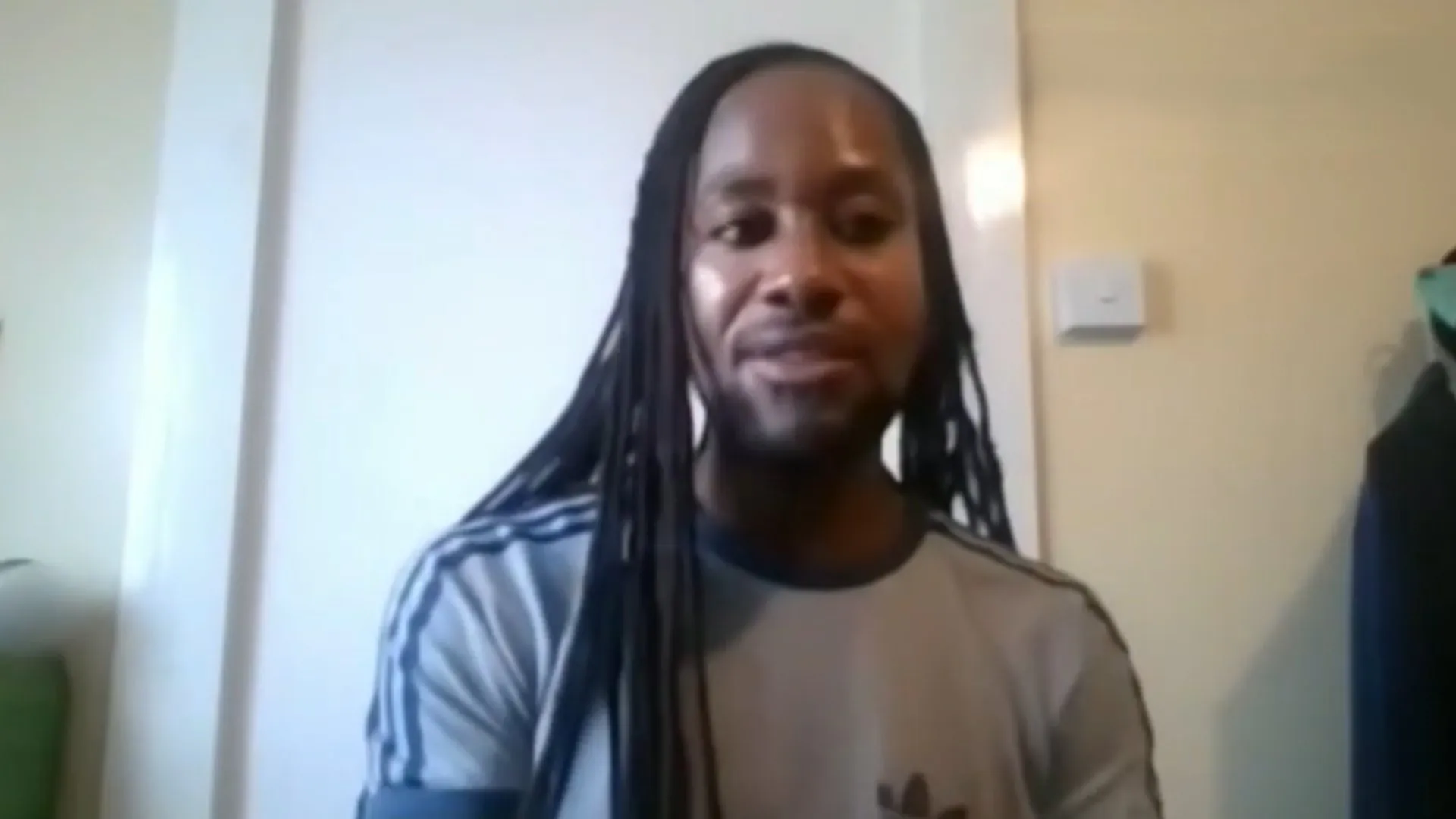
The probe was sparked by new information, which the university refused to disclose. As the accusations mounted, Prof Arday denied plagiarism but admitted to some “mistakes” in his work.
However, it was not just his academic record that came under scrutiny. Prof Arday’s claims of running 600 miles in six days and raising £5.5 million for charity were later clarified or discredited.



He initially stated that the 600 miles had been completed over a period of six days, but later corrected himself, saying it took 12 days. The fundraising effort, he claimed, was part of a syndicate of about 100 people, which he couldn’t name for legal reasons.
Other stories Prof Arday had told in the past also seemed to unravel.
He alleged that he had been threatened by a masked man at knifepoint at the university since his appointment, and that a pig’s head had been sent to his parents’ home, prompting a police investigation.
However, The Guardian couldn’t find any evidence for these claims, and the Metropolitan Police told the outlet that no investigation into a pig’s head had taken place.
Prof Arday’s resignation came as a surprise to many, but he maintained that the “relentless accusations, speculation and public commentary have taken a profound toll on me and on those I love.” He vowed to return to his work, saying, “It is simply the end of this chapter.
I need time to heal. I need time to simply be myself again.
And when that time comes, I will return.”
Analysis: What This Means for Australia
While Prof Arday’s case may seem like a unique scandal in the world of academia, it has implications for Australia’s own higher education system. The controversy highlights the importance of rigorous fact-checking and verification of academic credentials.
It also raises questions about the pressure to appoint diverse candidates to prominent positions, and the potential risks of prioritizing diversity over academic integrity.
Security analysts say that the incident serves as a reminder that even the most esteemed institutions can be vulnerable to false or exaggerated claims. “It’s a wake-up call for universities to implement more robust vetting processes and to prioritize fact-checking,” said one expert.
Law enforcement insiders warn that the case also highlights the risks of cyberbullying and online harassment, which can have serious consequences for individuals and institutions. “The internet can be a powerful tool for scrutiny, but it can also be a breeding ground for misinformation and harassment,” said another expert.
As the academic community grapples with the fallout from Prof Arday’s resignation, it is clear that this is not just a story about one individual, but about the broader implications for academic integrity and the role of institutions in promoting diversity and inclusion.