NFL Legend Roger Craig Reveals Devastating Diagnosis: ‘Football Gave Me Everything, But at What Cost?’
- Former 49ers running back Roger Craig announces he has vascular dementia during Hall of Fame speech, attributing it to concussions sustained during his playing career
- Craig’s diagnosis serves as a stark reminder of the long-term effects of head injuries in contact sports, sparking concerns for player safety and brain health
- The NFL Hall of Famer hopes sharing his story will encourage others to seek help early for brain issues, highlighting the importance of prioritizing health over glory
- Craig’s courageous revelation comes as the NFL continues to grapple with the consequences of repeated head trauma, with many former players suffering from debilitating brain diseases
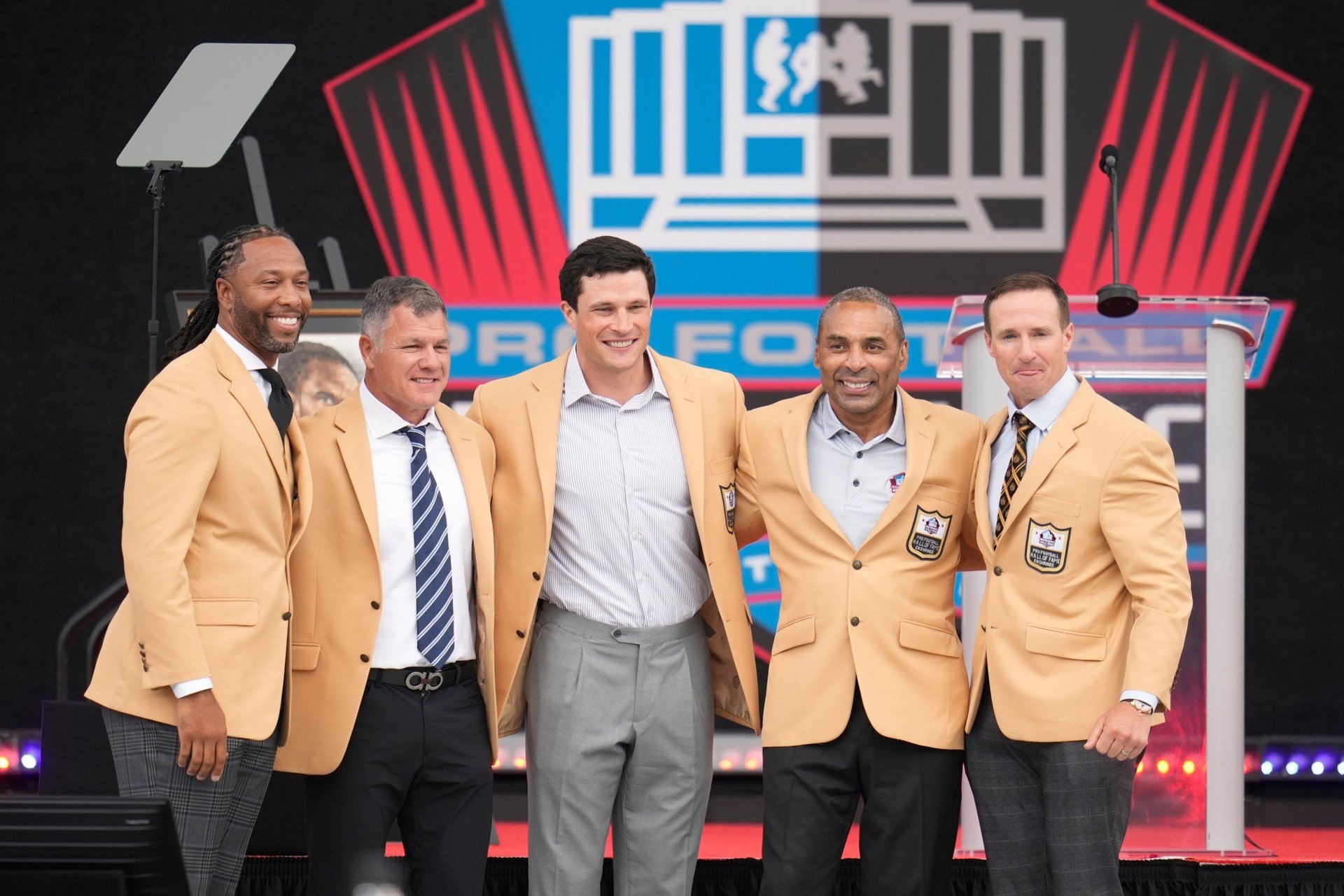
Roger Craig, the legendary former running back of the San Francisco 49ers, has made a heart-wrenching revelation during his induction speech into the Pro Football Hall of Fame.
With his gold jacket draped over his shoulders, Craig shared with the world that he has been diagnosed with vascular dementia, a condition he believes is linked to the concussions he suffered during his illustrious playing career.
The news sent shockwaves through the crowd at Tom Benson Hall of Fame Stadium in Canton, Ohio, as Craig’s fellow Hall of Famers and fans alike struggled to come to terms with the devastating diagnosis.
The 63-year-old’s announcement was met with a standing ovation, but the applause was tinged with a sense of sadness and concern for the beloved NFL legend.

Craig’s diagnosis is a stark reminder of the long-term effects of head injuries in contact sports. As a trailblazer at the running back position, Craig’s playing career was marked by his versatility, discipline, and unwavering dedication to the game.




However, it is precisely this dedication that has taken a toll on his health, with Craig’s doctors attributing his vascular dementia to the concussions he sustained during his time on the field.
The symptoms of vascular dementia are all too familiar for Craig, who has experienced confusion, trouble finding the right words, and difficulty paying attention.
Despite the challenges he faces, Craig remains resolute, using his platform to raise awareness about the importance of prioritizing brain health and seeking help when something doesn’t feel right.
Craig’s courageous revelation comes at a time when the NFL is grappling with the consequences of repeated head trauma. Many former players have come forward with debilitating brain diseases, including chronic traumatic encephalopathy (CTE), a condition linked to repeated blows to the head.
The NFL has implemented various safety protocols to mitigate the risk of head injuries, but the issue remains a contentious one, with many calling for greater action to protect player safety.
Analysis: What This Means for Australia
Roger Craig’s diagnosis serves as a wake-up call for Australian sports fans, highlighting the importance of prioritizing player safety and brain health in contact sports.
As the NFL continues to navigate the complexities of head injuries, Australian sporting codes must take heed of the lessons learned from Craig’s experience.
The Australian Football League (AFL) and National Rugby League (NRL) have implemented various concussion protocols, but more needs to be done to protect players from the long-term effects of head trauma.
Security analysts say that the NFL’s handling of head injuries has been a mixed bag, with some praising the league’s efforts to improve player safety while others argue that more needs to be done to address the issue.
“The NFL has made strides in reducing the number of concussions, but the fact remains that head injuries are an inherent part of the game,” said one analyst.
“It’s a delicate balance between protecting players and preserving the integrity of the sport.”
Law enforcement insiders warn that the NFL’s concussion crisis has far-reaching implications for player safety, with many players struggling to cope with the physical and emotional toll of repeated head trauma.
“The NFL has a responsibility to protect its players, both on and off the field,” said one insider. “It’s not just about winning games; it’s about ensuring that players can live healthy, happy lives after their playing careers are over.”