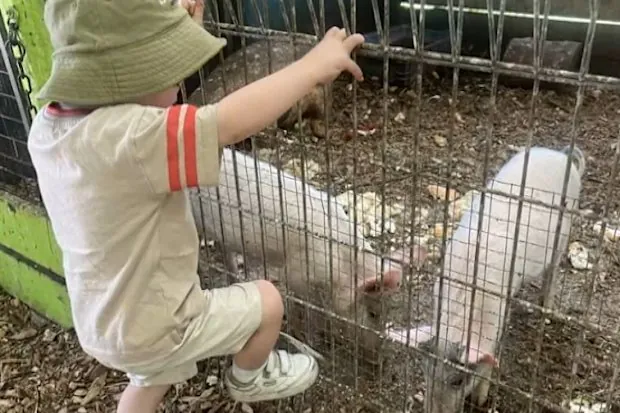
‘Petting Zoo Nightmare: Two Children Left Fighting for Their Lives After Contracting Rare Infection from Animal Encounter’
- A three-year-old boy is in intensive care with permanent brain damage and may need a kidney transplant after visiting a Melbourne petting zoo.
- A two-year-old boy who visited the same zoo in May spent over two weeks on dialysis and has since recovered, but the incident has left his family shaken.
- The rare but severe infection, triggered by Shiga toxin-producing Escherichia coli (STEC), has sparked a health investigation and warnings about the risks of animal encounters.
- Experts warn that the bacteria is present in most farms, and authorities are urging parents to take precautions to protect their children.
The joy of a petting zoo visit turned into a nightmare for two families after their young children contracted a rare but severe infection from the animals.
A three-year-old boy is now fighting for his life in intensive care at Monash Children’s Hospital in Melbourne, with permanent brain damage and a potential need for a kidney transplant.
The toddler’s condition is a devastating consequence of a visit to a petting zoo, where he came into contact with a bacteria that has left him with a life-threatening illness.
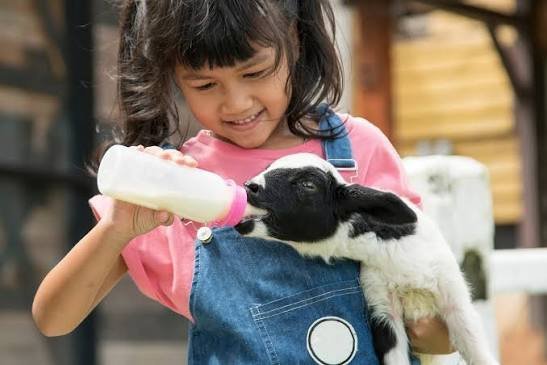
The child’s family is not alone in their ordeal. A two-year-old boy who visited the same zoo in May fell ill with the same infection and spent over two weeks on dialysis.
Although he has since recovered, his family is still reeling from the experience.



The mother of the recovered child spoke to The Age, describing the terrifying moment she discovered blood in her son’s faeces and the subsequent weeks of uncertainty as he battled the infection.
“The illness has impacted the child’s brain,” she said. “The kidneys haven’t recovered, and they aren’t sure if they need a transplant.”
The infection, known as haemolytic uraemic syndrome (HUS), is triggered by Shiga toxin-producing Escherichia coli (STEC), a bacteria found in the gut and faeces of animals.
According to the Australian Centre for Disease Control (CDC), HUS is a “life-threatening condition that damages red blood cells and the kidneys.” The symptoms are alarming: pale skin, easy bruising, a rash of tiny red spots, drowsiness, and passing little urine.
In severe cases, it can result in kidney failure, high blood pressure, and seizures.
Victoria’s Department of Health is investigating the outbreak, and authorities have asked the farm to add extra handwashing statements and put up warnings about the risk of infection.
However, experts warn that the bacteria is present in most farms, and the risk of infection is always there. “With treatment, most people recover from HUS within a few weeks,” the CDC states.
“But about 1 in 10 people with HUS die, or suffer permanent kidney failure.”
Analysis: What This Means for Australia
The incident highlights the risks associated with animal encounters, particularly for young children. Security analysts say that parents need to be aware of the potential dangers and take precautions to protect their children.
“This is a wake-up call for parents to be vigilant when taking their children to petting zoos or farms,” said one expert. “The risk of infection is real, and it’s essential to take steps to minimize it.”
Law enforcement insiders warn that the incident also raises concerns about the regulation of petting zoos and farms.
“There needs to be stricter guidelines in place to ensure that these establishments are taking adequate measures to prevent the spread of infection,” said one insider.
“This incident is a stark reminder of the importance of prioritizing public safety.”
Industry observers believe that the incident will have significant economic and social consequences for the petting zoo industry.
“This incident will undoubtedly have a ripple effect on the industry, with many parents rethinking their decision to take their children to petting zoos,” said one observer.
“The industry needs to take a hard look at its practices and ensure that it is doing everything possible to prevent similar incidents in the future.”