PM’s Lavish Travel Bill: Albanese’s $4 Million Taxpayer Funded Jaunts Spark Outrage
- Anthony Albanese’s travel expenses have sparked outrage after it was revealed he spent over $4 million of taxpayer money on flights last financial year.
- The Prime Minister’s office racked up a whopping $753,541.83 in travel costs for 60 staff members in just one quarter, with Labor ministers spending a total of $11.7 million on commercial and Defence Force flights.
- Deputy Prime Minister Richard Marles and Foreign Affairs Minister Penny Wong were among the top spenders, with Marles clocking up over $1.8 million in travel expenses and Wong spending almost $1.2 million.
- The government has defended the travel costs, claiming they have delivered substantial diplomatic, security and economic benefits for Australia, but critics are calling for greater transparency and accountability.
The latest disclosures from the Independent Parliamentary Expenses Authority (IPEA) have revealed the staggering extent of the Prime Minister’s travel expenses, with Albanese racking up over $76,000 in expenses during official visits to Singapore, Brunei, and Malaysia in April.
The six-day trip to Singapore alone cost the public $31,459.61, including $5,878.39 in employee travel costs, $9,958.94 for accommodation and meals, and almost $10,000 in incidentals.
But it’s not just the Prime Minister’s travel expenses that are causing concern – his office has spent over $4 million on travel in the last financial year, with 60 staff members travelling at taxpayers’ expense in just one quarter.
The total bill for Labor ministers’ commercial international travel came in at $5.4 million, plus another $6.3 million on domestic and international flights operated through the Defence Force’s special purpose fleet.
Deputy Prime Minister Richard Marles was one of the top spenders, recording over $522,000 in commercial travel expenses and a further $1.29 million on ADF special purpose flights.


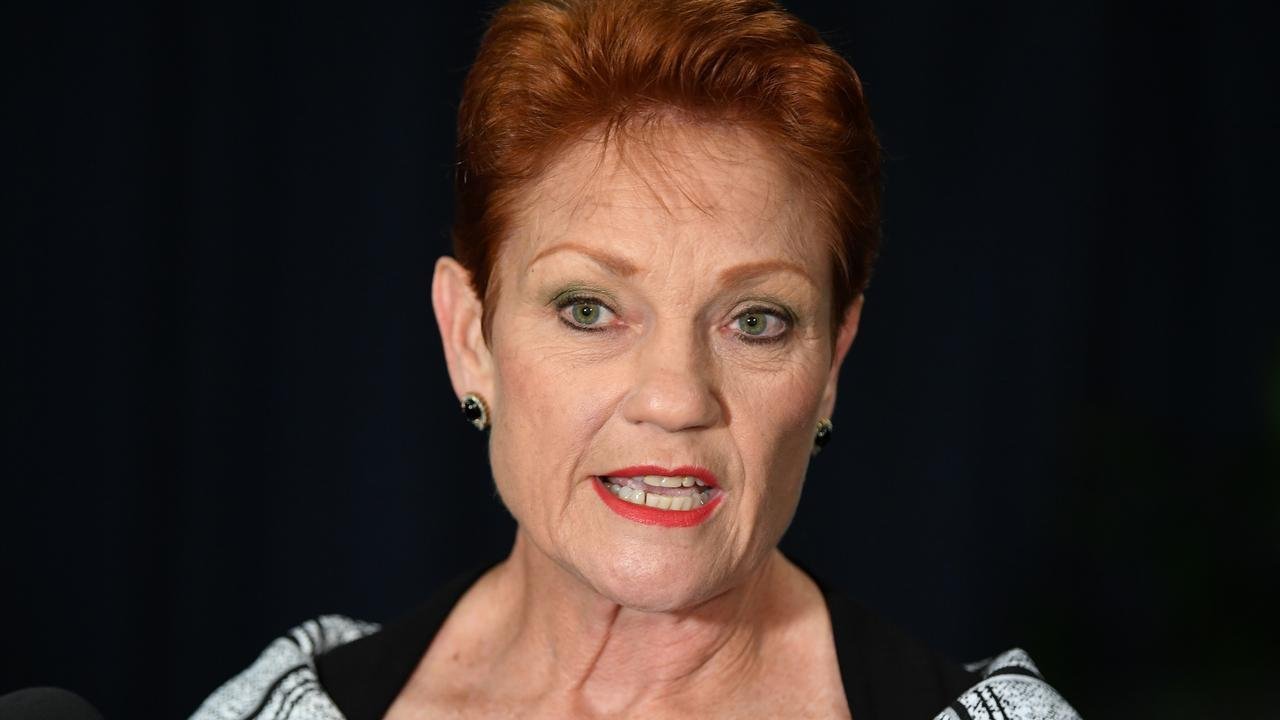
Foreign Affairs Minister Penny Wong logged almost $690,000 in commercial travel expenses, with a further $511,381 in ADF flight costs. Energy Minister Chris Bowen spent over $340,000 on commercial international travel, while Trade and Tourism Minister Don Farrell’s bill came to roughly $370,000.
The government has defended the travel costs, arguing that they have delivered substantial diplomatic, security and economic benefits for Australia.
Ministers have emphasised the importance of face-to-face diplomacy in the Pacific, where Australia is intent on countering strategic competition and strengthening links with neighbouring nations.
But critics are calling for greater transparency and accountability, arguing that the travel expenses are excessive and a waste of taxpayer money.
Analysis: What This Means for Australia
The revelations about the Prime Minister’s travel expenses have sparked outrage and raised concerns about the government’s priorities. While the government claims that the travel has delivered benefits for Australia, many are questioning whether the costs are justified.
With the country facing significant economic challenges, including a growing deficit and rising debt, the government’s decision to spend millions of dollars on travel expenses is being seen as tone-deaf and out of touch with the concerns of everyday Australians.
Security analysts say that the travel expenses are not just a matter of extravagance, but also a security risk. With the Prime Minister and his ministers travelling extensively, there is a risk of security breaches and the potential for sensitive information to be compromised.
Furthermore, the use of Defence Force special purpose flights raises concerns about the blurring of lines between military and civilian activities.
Industry observers believe that the travel expenses are also a symptom of a broader problem – the lack of transparency and accountability in government.
With the government facing criticism for its handling of various scandals and controversies, the travel expenses are seen as another example of the government’s lack of accountability and willingness to waste taxpayer money.
As the government continues to defend its travel expenses, many are calling for greater transparency and accountability.
With the country facing significant challenges, it’s time for the government to take a hard look at its priorities and ensure that taxpayer money is being spent wisely.