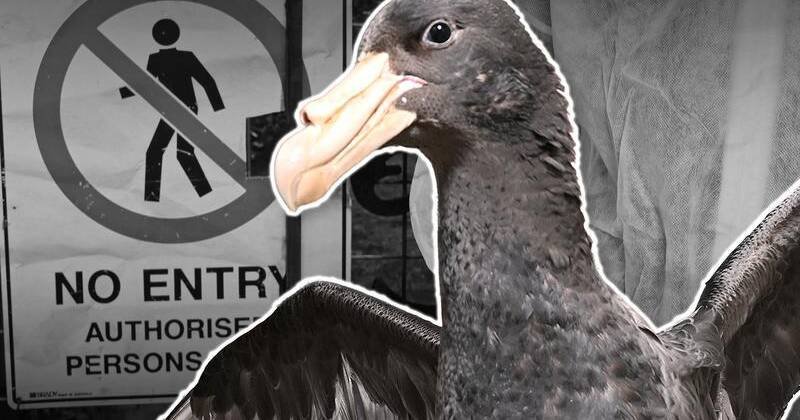
‘Ecological Emergency Unfolds’: Australia Grapples with Devastating Bird Flu Outbreak as Over 1,000 Crested Terns and Dozens of Penguins Die in Mysterious Mass Casualty Events
- More than 1,000 crested terns found dead in South Australia, with dozens of penguins also succumbing to the deadly H5 bird flu strain in Tasmania
- Wildlife experts warn of a full-scale ecological emergency, with the virus spreading rapidly through vulnerable coastal species
- Australia’s bird flu threat becomes increasingly dire, with fears of catastrophic losses in the tens of thousands if urgent action is not taken
- Renewed calls for a $200 million Wildlife Resilience Fund to combat the crisis and protect threatened species
Australia is facing an unprecedented wildlife crisis as the H5 bird flu strain continues to wreak havoc on the nation’s coastal species.
In a shocking escalation of the outbreak, over 1,000 crested terns have been found dead in South Australia, while dozens of penguins have succumbed to the virus in Tasmania.
The mass-casualty events have left authorities and wildlife experts reeling, with warnings of a full-scale ecological emergency unfolding.
The discovery of the dead birds has sent shockwaves through the community, with South Australian Premier Peter Malinauskas describing the losses as “devastating”. “It is incredibly saddening to see crested terns dying in the number that they are,” he said.
“These are part of our ecosystem. They’re actually quite a beautiful bird and it’s really tragic to learn of this scale of event.”




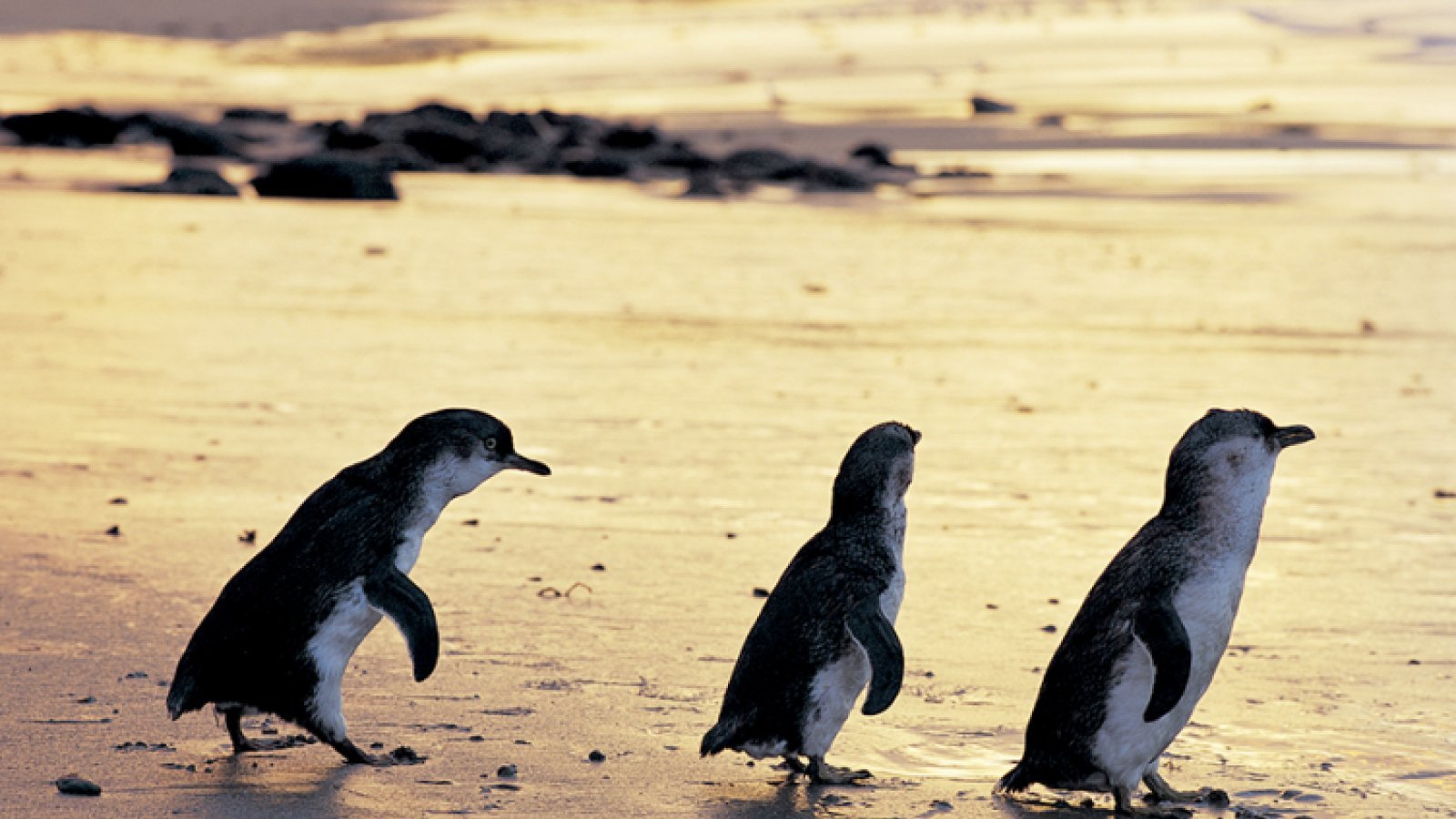
The Department of Natural Resources and Environment Tasmania has deployed extra staff to King Island, where 28 dead penguins and three dead crested terns were discovered at the Port of Grassy.
Incident Controller Wes Ford said the deaths were distressing for locals and signalled the need for relentless monitoring. “Our on-ground surveillance efforts, together with reports from the community, continue to help us identify and investigate sick and dead wild birds,” he said.
Wildlife experts warn that the combined South Australian and Tasmanian events mark a critical turning point in the outbreak. Invasive Species Council CEO Jack Gough said the deaths show the virus is now “becoming very real”.
“It is shocking to think that today we find out about over 1000 dead terns in South Australia and 28 dead penguins on King Island in Tasmania,” he said.
“This is a sad day for Australian wildlife, but it is only the start of the scale of deaths we can expect in the months ahead as the virus spreads.”
Gough warned that surveillance alone won’t save threatened species. “Boots on the ground undertaking practical environmental action will determine whether bird populations can recover from this unstoppable wave,” he said.
“We cannot stop H5 bird flu moving through wild populations, but we can give our wildlife a fighting chance.”
Analysis: What This Means for Australia
The bird flu outbreak has significant implications for Australia’s ecosystem and biodiversity. The loss of crested terns and penguins could have a ripple effect throughout the food chain, impacting other species that rely on them for survival.
Furthermore, the outbreak highlights the need for increased funding and resources to combat the spread of the virus and protect threatened species.
Security analysts say that the outbreak also raises concerns about the nation’s biosecurity measures.
“The rapid spread of the H5 bird flu strain highlights the need for improved surveillance and monitoring systems to detect and respond to emerging threats,” said one expert.
“Australia must invest in cutting-edge technology and expertise to stay ahead of the curve and prevent similar outbreaks in the future.”
Law enforcement insiders warn that the outbreak could also have economic consequences, particularly for the tourism and agriculture industries. “The loss of iconic species like penguins and crested terns could impact tourism revenue and damage Australia’s reputation as a wildlife destination,” said one source.
“Furthermore, the outbreak could also lead to trade disruptions and economic losses for farmers and producers.”
Industry observers believe that the outbreak is a wake-up call for the Australian government to take decisive action. “The establishment of a $200 million Wildlife Resilience Fund is a critical step in protecting our wildlife and preventing catastrophic losses,” said one expert.
“The government must also invest in research and development to improve our understanding of the virus and develop effective countermeasures.”
As the situation continues to unfold, one thing is clear: Australia is facing an ecological emergency that requires immediate attention and action. The nation’s wildlife is at risk, and it is up to the government, experts, and the community to come together to protect it.