TikTok’s $559 Million Mea Culpa: How the Social Media Giant’s Reckless Handling of Children’s Data Exposes Australia to a Toxic Online Culture
- A record-breaking $559 million settlement with the US Department of Justice reveals TikTok’s blatant disregard for children’s online safety and data protection.
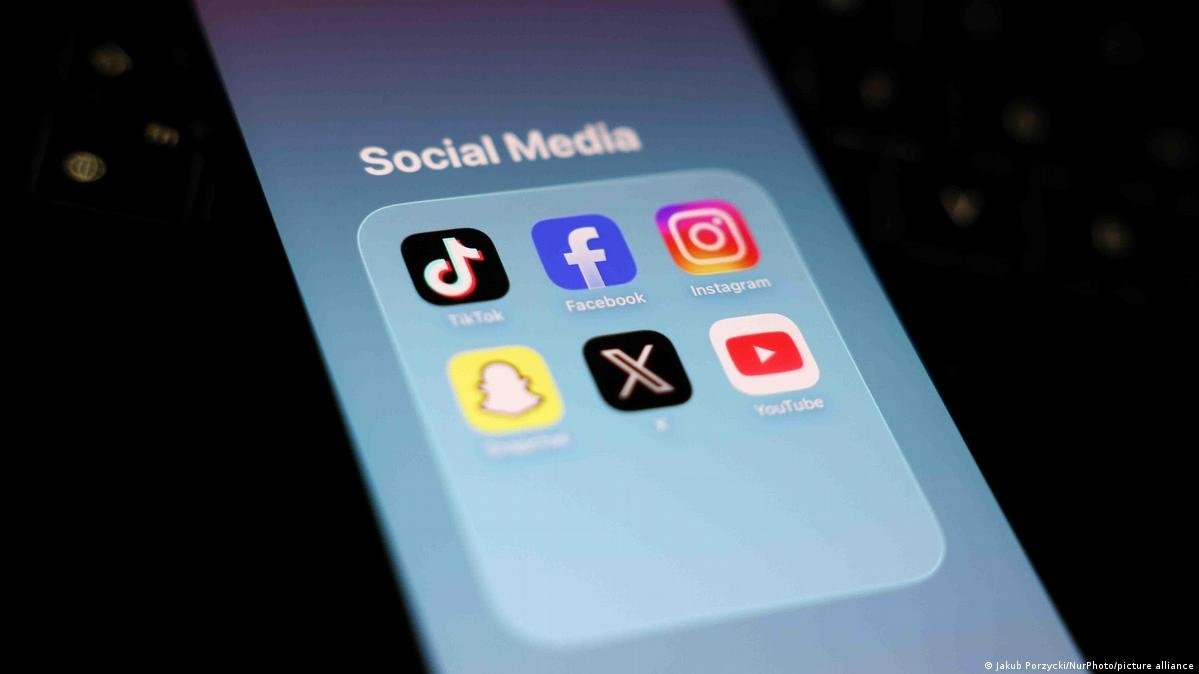
- The video-sharing platform’s lax approach to age verification and data collection has sparked a global crackdown, with Australia taking a radical approach by banning children under 16 from social media.
- As the world grapples with the consequences of social media addiction, cyberbullying, and online exploitation, Australia’s strict laws may be the only solution to safeguarding the nation’s youth.
- But with the US lagging behind in regulating social media, the question remains: will Australia’s bold move be enough to protect its children from the toxic online culture perpetuated by platforms like TikTok?
The US Department of Justice’s recent settlement with TikTok is a damning indictment of the social media giant’s reckless handling of children’s data.
The $559 million agreement is a record-breaking penalty, but it only scratches the surface of a far more sinister issue – the exploitation of young users by social media platforms.
TikTok’s willingness to collect and misuse minors’ data without parental permission has sparked a global outcry, with Australia taking a radical approach to safeguarding its children.
At the heart of the issue is TikTok’s lax approach to age verification and data collection. Despite its “Kids Mode” feature, the platform has been found to gather email addresses and other personal information from young users without informing their parents.
This blatant disregard for children’s online safety has prompted the US government to take action, with the Department of Justice and Federal Trade Commission jointly suing TikTok in 2024.




The lawsuit alleged that TikTok had placed the safety of millions of children in jeopardy by collecting their personal data without parental permission.
But TikTok’s troubles don’t stop there.
The European Union has also launched a probe into the platform’s handling of children’s data, accusing it of failing to protect minors from risks like cyberbullying and predatory behavior.
The EU’s Digital Services Act (DSA) has given regulators a powerful tool to rein in big tech, and TikTok is firmly in its sights.
In the UK, communications regulator Ofcom has launched an investigation into TikTok’s age-verification model, while Australia has taken a bold step by prohibiting children under 16 from using social media platforms.
Analysis: What This Means for Australia
Australia’s decision to ban children under 16 from social media is a radical move, but one that may be necessary to safeguard the nation’s youth.
With the US lagging behind in regulating social media, Australia’s strict laws may be the only solution to protecting its children from the toxic online culture perpetuated by platforms like TikTok.
But the question remains: will it be enough? As social media addiction, cyberbullying, and online exploitation continue to plague the nation, Australia’s government must remain vigilant in its efforts to protect its children.
Security analysts say that Australia’s move is a step in the right direction, but more needs to be done to address the root causes of the problem.
“The issue is not just about age verification, but about the very design of these platforms,” says one expert. “They are designed to be addictive, to keep users engaged for as long as possible.
Until we address this fundamental issue, we will continue to see the same problems arise.”
Law enforcement insiders warn that the consequences of inaction will be severe. “We are already seeing the devastating impact of social media on young people’s mental and physical health,” says one officer.
“If we don’t take action now, we risk creating a generation of young people who are damaged by their online experiences.”
As the world grapples with the consequences of social media, one thing is clear: the status quo is no longer acceptable.
Australia’s bold move may be the catalyst for change, but it will take a concerted effort from governments, regulators, and tech companies to create a safer online environment for children.
social media regulation online safety cyberbullying