El Niño’s Shocking Twist: Australia Braces for Record-Breaking Rainfall as Climate Change Defies Expectations
- Despite El Niño’s reputation for drought, Australia is on track for its wettest El Niño year on record, with year-to-date rainfall already exceeding 400mm.
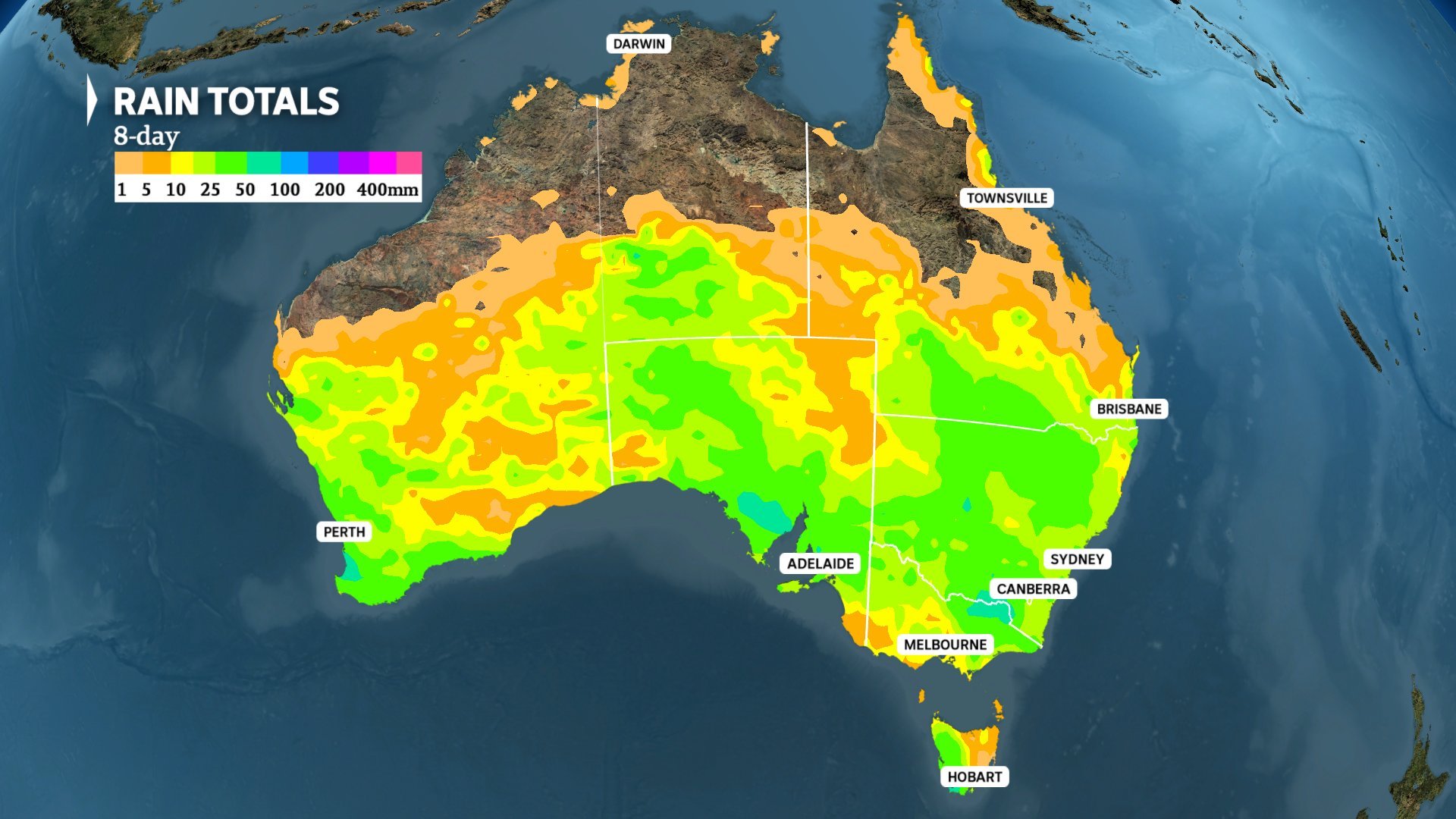
- A massive cloudband is set to engulf southern Australia, bringing 15-50mm of rain to most of south-east Australia and parts of WA before the end of the month.
- Climate change is suspected to be altering El Niño’s impact on Australia’s weather patterns, leading to increased rainfall and defying traditional drought expectations.
- Warmer waters in the Indian Ocean are also contributing to the unusual weather, with temperatures 1-2C above average and forecast to warm further into spring.
Australia is bracing for another soaking this week as a massive cloudband sweeps across the southern two-thirds of the country, bringing record-breaking rainfall and defying expectations of drought.
Despite El Niño’s reputation for dry conditions, the country is on track for its wettest El Niño year on record, with year-to-date rainfall already exceeding 400mm.
The rainband, which will engulf southern Australia over the next five days, is the latest in a series of unexpected soakings that have characterized 2026.
The year began with widespread rain through February and March, and despite a rapid transition to El Niño through autumn, frequent rainbands have continued to traverse the country.
As a result, most of south-east Australia and parts of WA can expect between 15mm and 50mm of rain before the end of the month.




So why is 2026 playing by its own rules? According to the Bureau of Meteorology (BOM), climate change is suspected to be altering El Niño’s impact on Australia’s weather patterns.
A trend has emerged in recent years, with yearly totals during El Niño years steadily increasing. This is mostly due to climate change, which is causing Australia’s annual average precipitation to climb.
However, this increase is enhanced in El Niño years, opening up the possibility that climate change may be indirectly altering how El Niño affects Australia’s weather patterns.
Another key factor is the Pacific Ocean, which is just one of multiple influences on Australia’s climate variability.
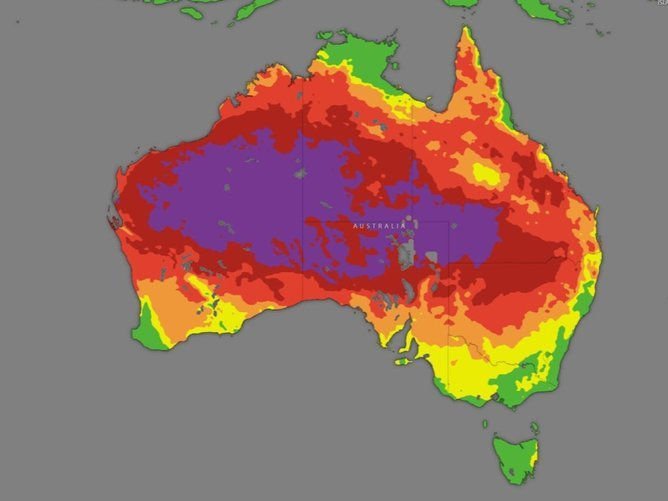
Warmer waters in the Indian Ocean, which are currently 1-2C above average and forecast to warm further into spring, are also contributing to the unusual weather.
“Warmer waters can increase atmospheric moisture, providing favourable conditions for rainfall-producing weather systems such as north-west cloud bands and frontal systems that can draw tropical moisture across inland Australia,” said BOM senior climatologist Zhi-Weng Chua.
Analysis: What This Means for Australia
The implications of this unusual weather pattern are significant for Australia. With El Niño’s impact on rainfall decreasing as the year progresses, the country is unlikely to face widespread prolonged drought.
However, the increased rainfall and warmer temperatures will have a significant impact on agriculture, with farmers facing challenges in managing their crops and livestock.
Law enforcement and emergency services will also need to be on high alert, with the potential for flash flooding and other extreme weather events. The increased rainfall will also have a significant impact on the country’s infrastructure, with roads and bridges potentially being damaged or destroyed.
Security analysts say that the unusual weather pattern will also have significant implications for Australia’s national security.
With the country’s weather patterns becoming increasingly unpredictable, the risk of natural disasters and extreme weather events will increase, posing a significant challenge to the country’s emergency services and disaster response capabilities.
Industry observers believe that the increased rainfall and warmer temperatures will also have a significant impact on Australia’s economy, with the potential for increased costs and disruptions to businesses and industries.
The tourism industry, in particular, will need to be prepared for the potential impacts of extreme weather events, with the risk of flash flooding and other disasters posing a significant challenge to the country’s tourism infrastructure.