Melbourne’s Population Boom: How Overseas Arrivals Are Redrawing the City’s Map and Putting Pressure on Housing and Infrastructure
- Nearly nine in ten new residents to Melbourne since the pandemic are from overseas, with international arrivals outpacing local births by a staggering four to one.
- Australian Bureau of Statistics data reveals that Melbourne attracted 27 per cent of all net overseas migrants arriving in Australia, making it the most popular destination for overseas arrivals.
- The city’s population growth is now heavily reliant on international arrivals, with overseas migration outweighing natural population growth and internal migration.
- The influx of new residents is putting pressure on areas already facing housing and infrastructure strain, with key growth corridors and urban centres bearing the brunt of the population boom.
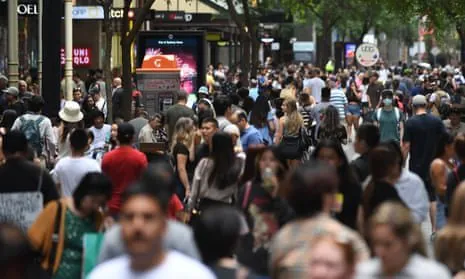
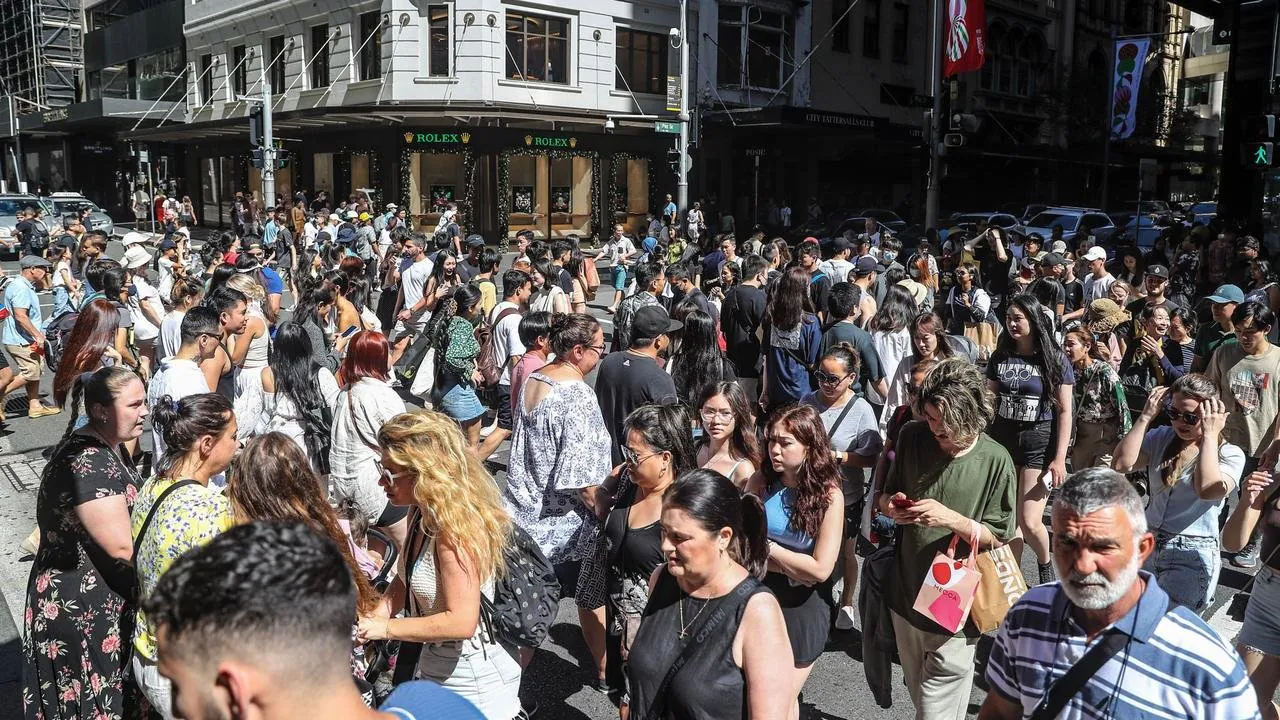
Melbourne’s population is booming, and it’s not just the birth rate that’s driving it. According to startling new research, nearly nine in ten new residents to the city since the pandemic are from overseas.
The data, analysed by the Institute of Public Affairs, shows that international arrivals have outpaced local births, with overseas migration accounting for 86 per cent of Melbourne’s population growth between 2023 and 2025.
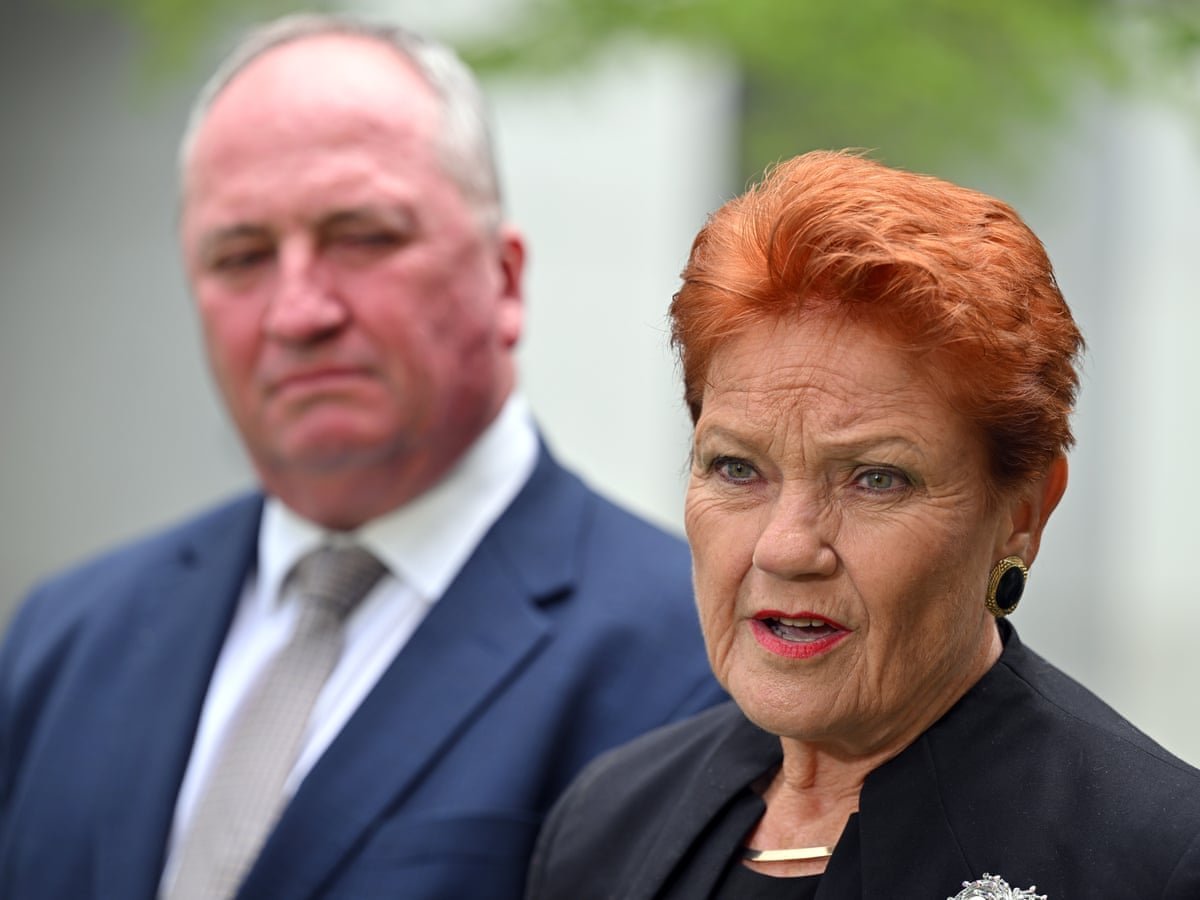
The figures are a wake-up call for the Albanese government, which is facing increasing pressure ahead of a major overhaul of the immigration system.
Immigration Minister Tony Burke has pledged to cut annual net overseas migration from around 300,000 to 245,000 this financial year and 225,000 next year, but critics argue that this won’t be enough to ease the pressure on housing, infrastructure, and public services.
So, what’s driving Melbourne’s population boom? The data reveals that international arrivals have overtaken natural population growth and internal migration.


Between 2023 and 2025, Melbourne recorded a natural increase of 86,580 people, measured as births minus deaths. However, this was dwarfed by the net 350,000 overseas migrants who settled in the city over the same period.
India contributed the largest migrant cohort, followed by China, the Philippines, and Sri Lanka.
New arrivals concentrated in key growth corridors and urban centres, with about a quarter settling in inner Melbourne, 18 per cent in the outer southeast, and 15 per cent in the western suburbs.
This influx of new residents is putting pressure on areas already facing housing and infrastructure strain, with many outer suburbs struggling to keep up with demand for services and amenities.
But it’s not all bad news. While migration powered most population growth, Melbourne’s outer suburbs still saw the highest birth rates.
The western suburbs had the strongest natural increase, adding almost 29,000 people through births exceeding deaths. This reflects the younger makeup of many outer suburban communities, where larger families are more common.
In contrast, the city’s established inner eastern suburbs reported virtually no natural growth, adding just 17 people through natural increase over the two-year period.
This is a worrying trend, as Melbourne’s fertility rate has fallen to a record low of just 1.4 children per woman – below the replacement rate of 2.1 needed to maintain population without migration.
Analysis: What This Means for Australia
The data raises serious questions about Australia’s population growth and the impact of migration on our cities. While migration can bring many economic benefits, it’s clear that our infrastructure and services are struggling to keep up with demand.
The Albanese government’s planned reforms aim to ease pressure on housing, infrastructure, and public services without undermining the economic benefits migration delivers to Australia. However, critics argue that this won’t be enough to address the root causes of the problem.
Security analysts say that the influx of new residents is putting pressure on our borders and law enforcement agencies. With many migrants settling in areas already facing housing and infrastructure strain, there are concerns about the potential for social unrest and community tensions.
Law enforcement insiders warn that the government needs to take a more proactive approach to addressing these issues, rather than simply relying on visa settings and compliance measures.
Industry observers believe that the government’s strategy of bringing arrivals back towards pre-pandemic levels is a step in the right direction, but more needs to be done to address the underlying issues driving population growth.
With the population projected to continue growing, it’s clear that we need a more sustainable and equitable approach to managing our cities and communities.
As the government prepares to unveil its new package of migration reforms, one thing is clear: the future of Melbourne – and Australia – depends on getting this right.
With the city’s population booming and the pressure on housing, infrastructure, and services mounting, it’s time for a more nuanced and sustainable approach to managing our population growth.