Abandoned on a Mountain: Father’s Shocking Decision to Leave 7-Year-Old Son Behind on Japan’s Deadly Mount Fuji
- A father’s reckless decision to leave his 7-year-old son alone on a hike up Japan’s highest mountain has sparked outrage and concern for child safety.
- The boy was left with only snacks and a soft drink, and no money, for eight hours before being found by staff at a mountain hut.
- Mount Fuji, an active volcano, has claimed two lives in recent weeks, highlighting the dangers of the popular hiking spot.
- The incident has raised questions about parental responsibility and the risks of hiking with young children.
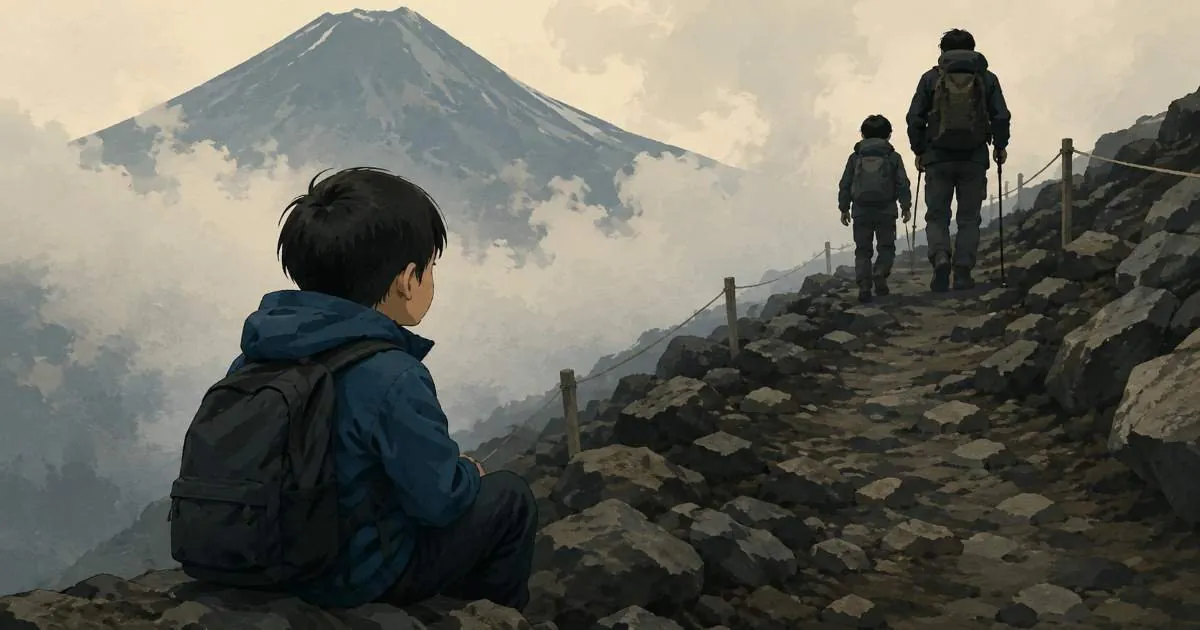
The sun was setting on Mount Fuji, casting a golden glow over the mountain’s rugged terrain, when a 7-year-old boy was left to fend for himself.
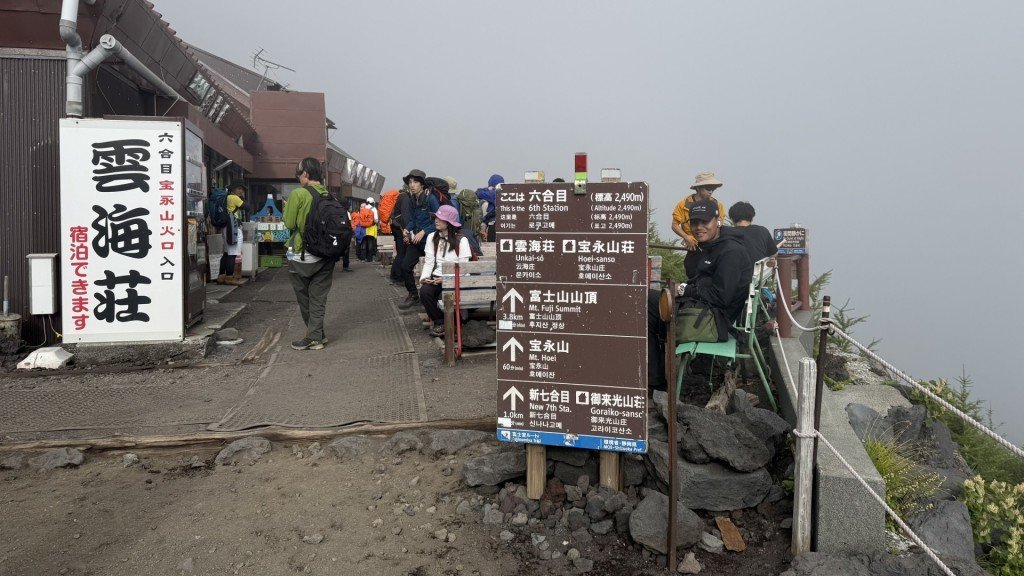
His father, who had been hiking with his two sons, had told the young boy to “wait here” at the sixth station, more than 2,000 meters above sea level, while he continued on with his older son.
The boy was left with only snacks, a soft drink, and no money, and was forced to wait for eight hours before being found by staff at a mountain hut.
The incident has sparked outrage and concern for child safety, with many questioning the father’s decision to leave his young son behind.
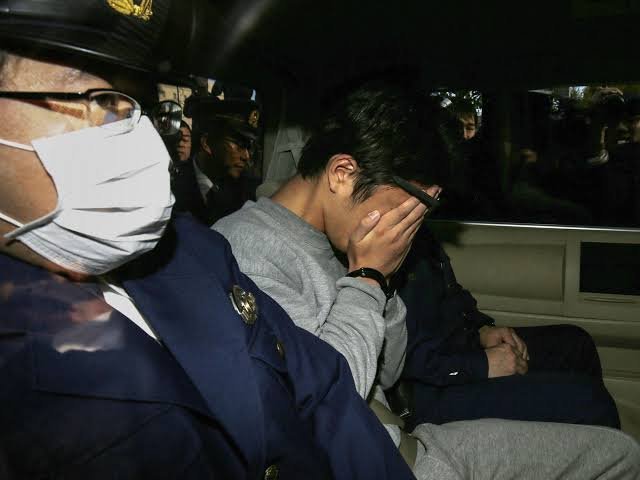
According to local media, the father was given a stern warning by police, who contacted him at the eighth station and reunited him with his son.



The father reportedly apologized for his actions, admitting that he had been careless.
Mount Fuji, an active volcano and Japan’s highest mountain, is a popular destination for hikers, but it can also be deadly.
In recent weeks, two climbers have lost their lives on the mountain, including a Swiss man who died after losing consciousness, and a 65-year-old Japanese man who fell and hit his head.
The incidents have highlighted the dangers of the mountain, particularly during the peak hiking season.
The Japanese government has implemented measures to prevent overcrowding and reduce the risk of accidents on the mountain, including an entry fee and a cap on numbers.
However, the incident has raised questions about the effectiveness of these measures and the need for greater awareness and education about the risks of hiking with young children.
Analysis: What This Means for Australia
While the incident occurred in Japan, it serves as a stark reminder of the importance of prioritizing child safety and responsible parenting, particularly in high-risk environments.
For Australian families who enjoy hiking and outdoor activities, the incident highlights the need for careful planning, preparation, and supervision.
As the Australian government continues to promote outdoor recreational activities, it is essential that parents and caregivers are aware of the potential risks and take steps to mitigate them.
Security analysts say that the incident also raises concerns about the potential for child abduction or exploitation in crowded tourist areas. “Parents need to be vigilant and aware of their surroundings, particularly in areas with high foot traffic,” said one expert.
“It’s essential to have a plan in place in case of an emergency and to ensure that children are equipped with the necessary skills and knowledge to stay safe.”
Law enforcement insiders warn that the incident is a timely reminder of the importance of responsible parenting and the need for parents to prioritize their children’s safety above all else.
“Leaving a child unattended in a high-risk environment is never acceptable,” said one officer. “Parents have a responsibility to ensure their children’s safety, and failure to do so can have serious consequences.”
As the hiking season continues, authorities in Japan and around the world will be watching closely to ensure that measures are in place to prevent similar incidents from occurring.
For Australian families, the incident serves as a stark reminder of the importance of prioritizing child safety and responsible parenting, particularly in high-risk environments.