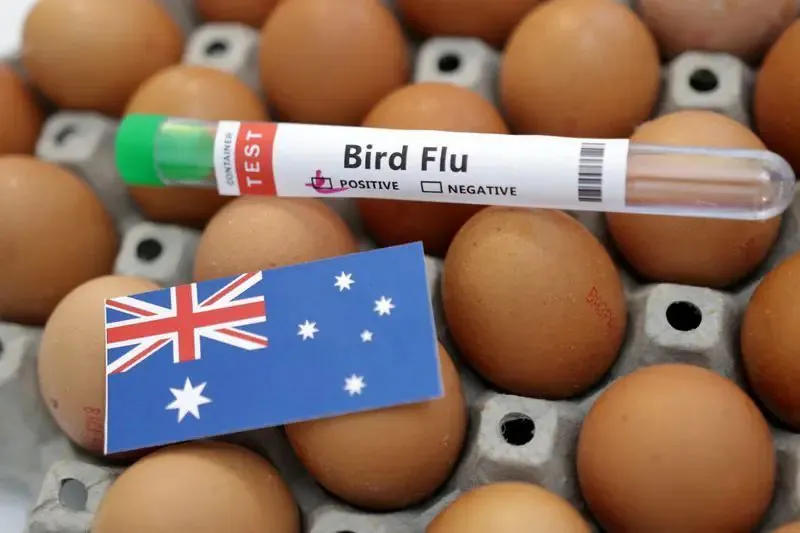
Australia’s Wildlife on High Alert as Devastating Bird Flu Outbreak Spreads to Mammals: ‘Extinction-Level Event’ Feared for Iconic Species
- Australia’s first case of bird flu in a mammal has been confirmed in a long-nosed fur seal found in South Australia, sparking fears of a devastating outbreak.
- The detection has been described as “devastating news for wildlife” by the Invasive Species Council, which warns of potential colony collapses and even extinction-level events.
- The outbreak has already killed thousands of birds and seals in Australia, with experts warning that the virus could spread quickly among mammals, particularly in areas with high infection rates in wild birds.
- The government has advised pet owners to take precautions, including keeping dogs on leads and cats indoors, as the risk of transmission to other mammals grows.
The discovery of Australia’s first case of bird flu in a mammal has sent shockwaves through the country’s wildlife community, with experts warning of a potentially catastrophic outbreak.
The long-nosed fur seal, found in Beachport, South Australia, has tested positive for the H5 strain of the virus, which has already killed thousands of birds and seals in the country.
Federal Agricultural Minister Julie Collins confirmed the detection, saying it was “concerning but not unexpected” given the high infection rates in wild birds in the area.
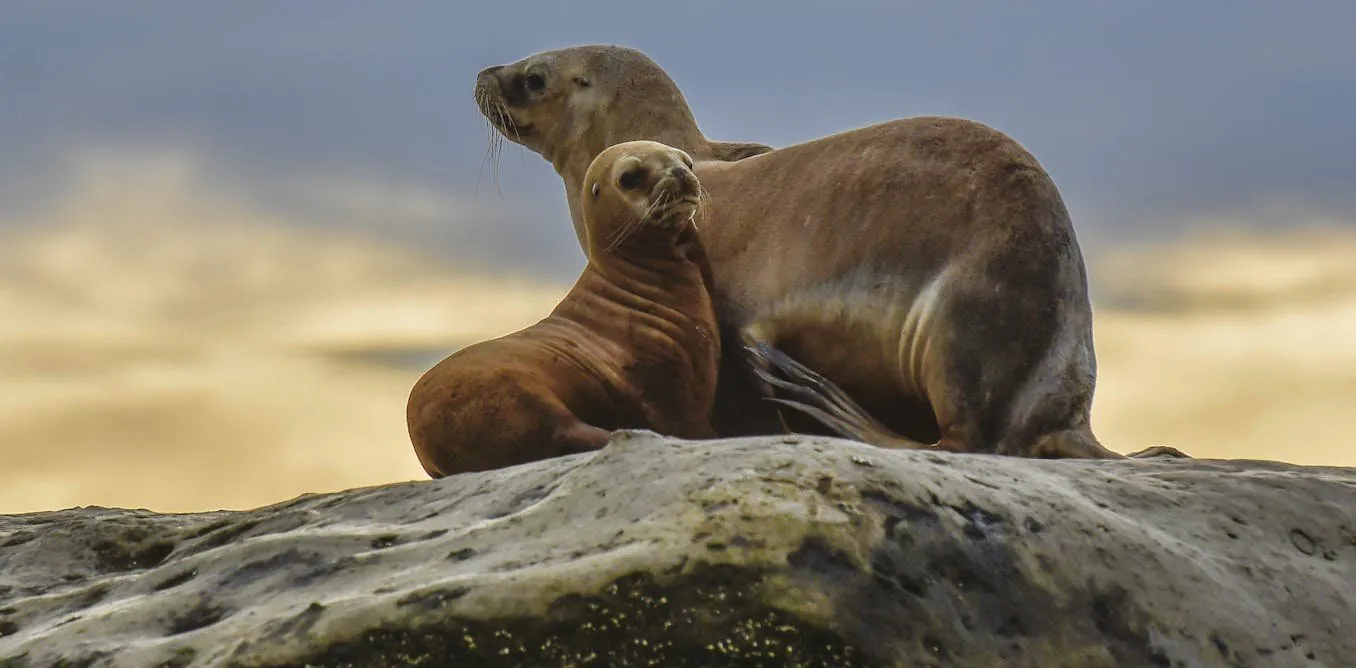
“I have been advised that at this time the detection does not appear to be associated with other sick or dead marine mammals,” she said. “An infection of this individual animal is likely to have occurred due to exposure to infected wild birds or the environment that they share.”
The outbreak has already had a devastating impact on Australia’s wildlife, with 298 positive H5 bird flu events recorded since the outbreak, including 194 in South Australia.




The virus has killed thousands of birds, including 13,000 seal pups on Heard Island, an Australian external territory in the Southern Ocean. SA Environment Minister Emily Bourke described the numbers as “devastating”, saying the detection in the fur seal was “something we always knew would be coming”.
Experts warn that the virus could spread quickly among mammals, particularly in areas with high infection rates in wild birds.
“Mammal-to-mammal transmission occurred quickly among seals when bird flu arrived in South America and Antarctica,” said Jack Gough, chief executive of the Invasive Species Council.
“We are really concerned because we know we can expect potential colony collapses, similar to what had occurred when 30,000 elephant seals died from bird flu in South America.”
Analysis: What This Means for Australia
The detection of bird flu in a mammal in Australia has significant implications for the country’s wildlife and ecosystem. The virus has already had a devastating impact on bird populations, and the risk of transmission to other mammals is growing.
The government has advised pet owners to take precautions, including keeping dogs on leads and cats indoors, to reduce the risk of transmission.
Security analysts say the outbreak highlights the need for increased vigilance and preparedness in the face of emerging biosecurity threats. “The detection of bird flu in a mammal in Australia is a wake-up call for the country’s biosecurity systems,” said one analyst.
“It highlights the need for increased investment in surveillance, detection, and response capabilities to prevent and respond to emerging threats.”
Law enforcement insiders warn that the outbreak could also have implications for public health and safety.
“The risk of transmission to humans cannot be ruled out, and it is essential that the public takes precautions to avoid contact with infected animals,” said one insider.
Industry observers believe that the outbreak could also have economic implications for Australia’s agriculture and tourism industries. “The detection of bird flu in a mammal in Australia could have significant economic implications for the country’s agriculture and tourism industries,” said one observer.
“It is essential that the government takes swift and decisive action to contain the outbreak and prevent further spread.”