Pauline Hanson Takes Free Speech Fight to High Court: ‘Australians Are Afraid to Speak Honestly’
- One Nation leader launches High Court appeal after losing battle over social media post telling Greens senator Mehreen Faruqi to ‘pack your bags and piss off back to Pakistan’
- Hanson argues section 18C of the Racial Discrimination Act places unacceptable limits on political debate and free speech
- Case raises broader questions about how the law interacts with the implied freedom of political communication under the Constitution
- Hanson vows to continue fight, insisting many Australians feel public debate is being increasingly restricted
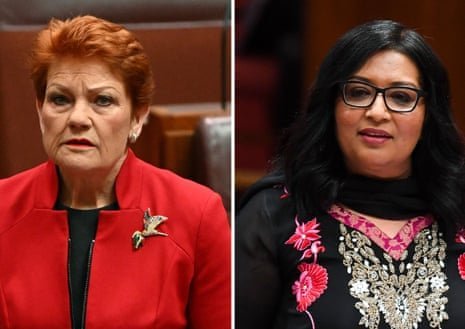
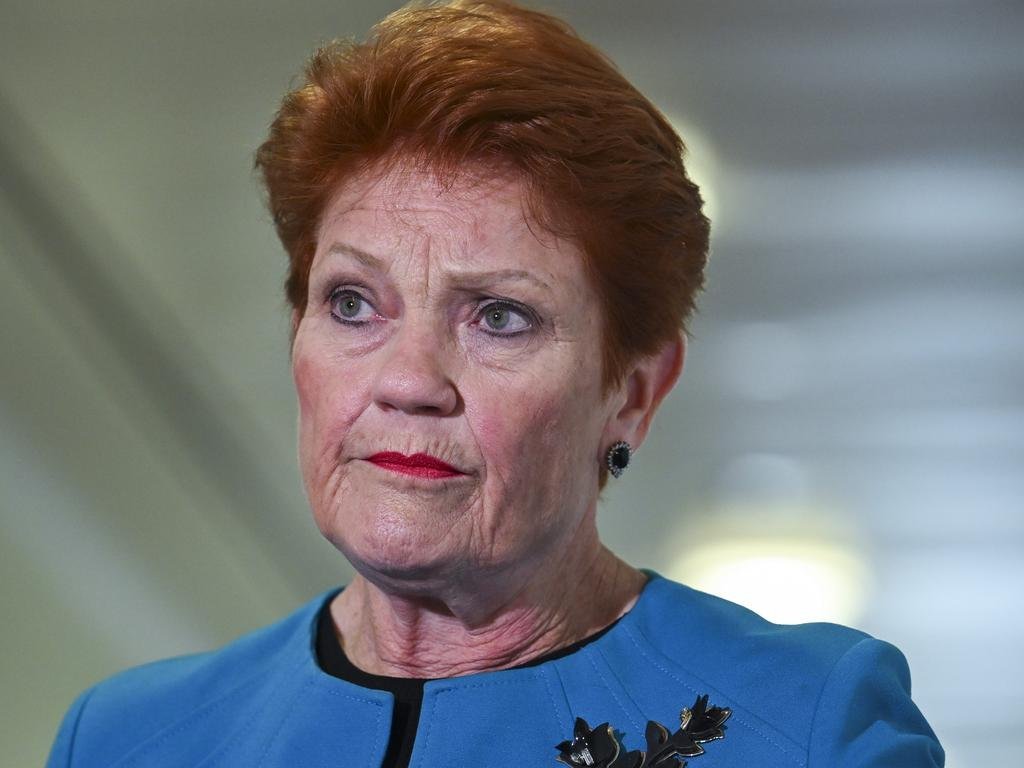
Pauline Hanson is taking her fight for free speech to the High Court, after losing a legal battle over a social media post that told Greens senator Mehreen Faruqi to leave Australia and return to her birth country of Pakistan.
The One Nation leader announced on Friday that she will seek special leave to challenge a Full Federal Court ruling, which found her 2022 post breached section 18C of the Racial Discrimination Act.
The case began in September 2022, when Faruqi criticised Queen Elizabeth II after the monarch’s death. Hanson responded online, telling the Greens senator to “pack your bags and piss off back to Pakistan”.
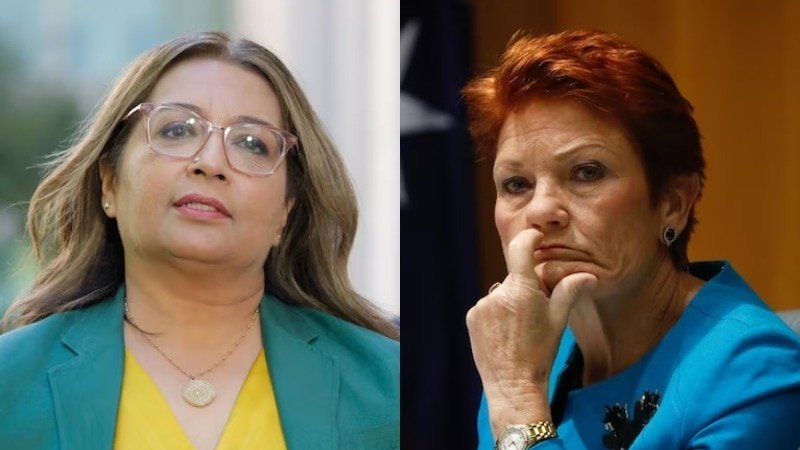
The Full Federal Court ruled that those comments breached section 18C, which bans conduct that offends, insults, humiliates or intimidates another person because of their race, colour or national or ethnic origin.
Hanson argues that the law places unacceptable limits on political debate and free speech.

She claims that Australians are becoming increasingly fearful of expressing their views on contentious issues, for fear of being called racist or subjected to legal action.
“Too many Australians are afraid to speak honestly about immigration, race, religion, Indigenous policy and other important issues because they worry they will be called racist, dragged through a complaints process or taken to court,” she said.
Hanson’s case raises broader questions about how section 18C interacts with the implied freedom of political communication under the Constitution. She argues that the law casts a wide net, sets a relatively low bar and places a significant burden on political communication.
“I don’t mince my words. I never have.
People know exactly where I stand. But speaking plainly about political issues should not put you in court,” she said.
Analysis: What This Means for Australia
The case has significant implications for free speech in Australia.
If Hanson’s appeal is successful, it could set a precedent for politicians and ordinary Australians to express their views on contentious issues without fear of legal reprisal.
However, if the High Court upholds the Full Federal Court’s decision, it could further restrict public debate and stifle free speech.
Security analysts say that the case highlights the need for a balanced approach to free speech and racial discrimination.
“While it’s essential to protect people from hate speech and racism, it’s equally important to ensure that politicians and ordinary Australians can express their views without fear of persecution,” said one analyst.
Law enforcement insiders warn that the case could have far-reaching consequences for public debate and community cohesion.
“If people feel they can’t express their views without being called racist or taken to court, it could lead to a breakdown in community trust and social cohesion,” said one insider.
Industry observers believe that the case is a test of ordinary Australians’ right to freely participate in public debate.
“This case is not about giving politicians special rights, it’s about the right of regular Australians to take part in the political debates that shape their country without being frightened into silence,” said Hanson.
Hanson’s vow to continue her fight for free speech has been met with support from some quarters. “Millions of Australians feel like they have been told there are things they are simply not allowed to say anymore,” she said.
“I hear from them all the time.
I will not be silenced, and I will take this fight as far as I can for Australians who feel they no longer have a voice.”