
Death Threats and Hate: The Chilling Reality for Women’s Rights Activists in Australia
- A prominent women’s rights activist has pulled out of a rally due to a barrage of death threats from trans rights activists, sparking fears for public safety.
- The activist, Sall Grover, shared shocking messages with a radio host, including one that read: ‘We’re going to put a bullet through your f***ing head.’
- The escalation of abuse has raised concerns about the limits of free speech and the need for police protection at public events.
- The controversy has also highlighted the deepening divide between women’s rights and trans rights activists in Australia.
The decision by Sall Grover to withdraw from the ‘Rally for Women’s Rights’ event has sent shockwaves through the activist community, with many expressing outrage and concern for her safety.
The threats, which included messages referencing violence and intimidation, have been widely condemned as unacceptable and a threat to free speech.
Grover, who has amassed a significant following on social media, had been due to speak at the rally to advocate for the rights of women, including the preservation of women-only spaces and the accurate definition of ‘woman’ in the sex discrimination act.
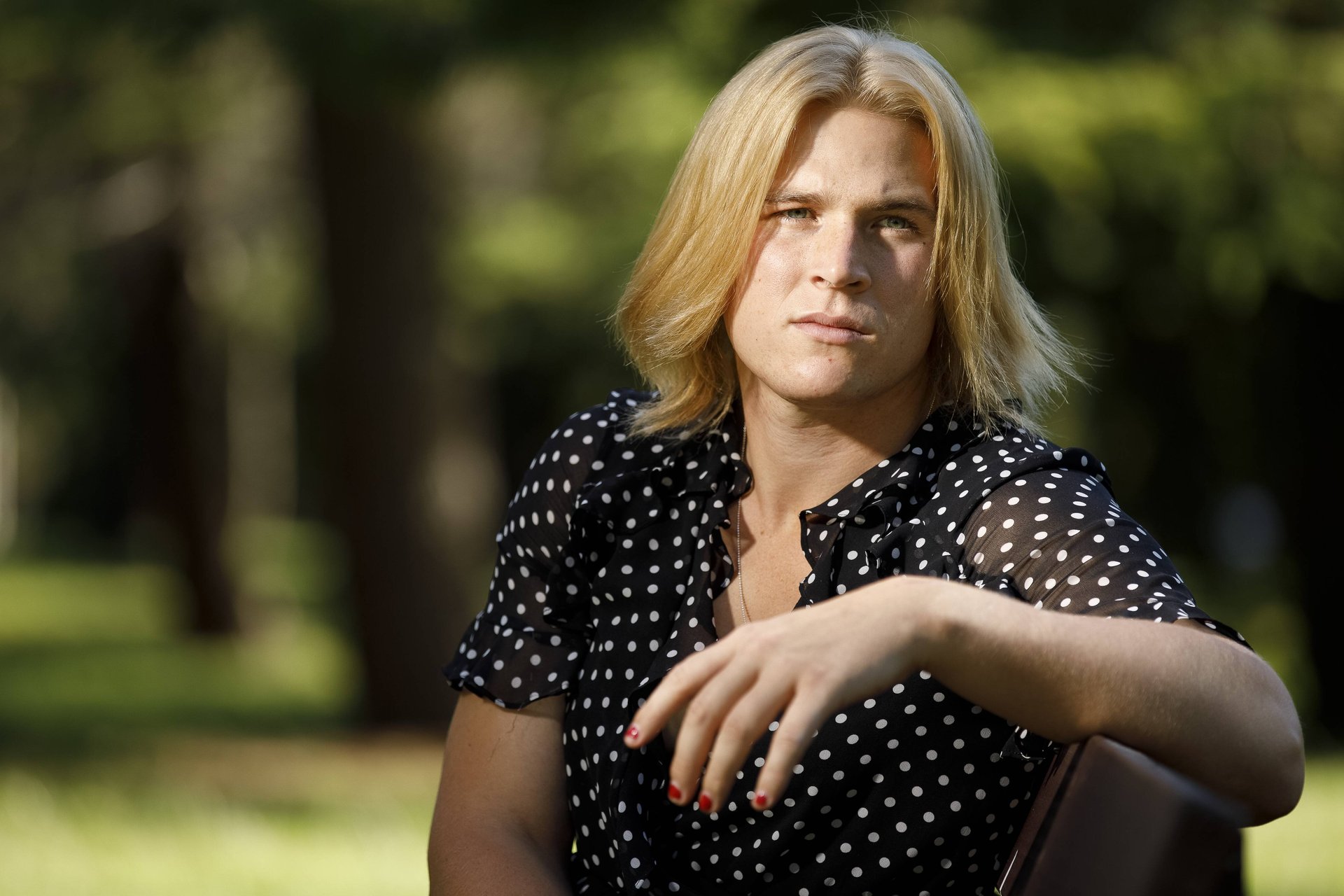
However, the torrent of abuse and threats has forced her to reassess the risks, not just to herself, but to other attendees.
The messages, which Grover shared with 2GB host Ben Fordham, are a stark reminder of the increasingly toxic debate surrounding women’s rights and trans rights in Australia.
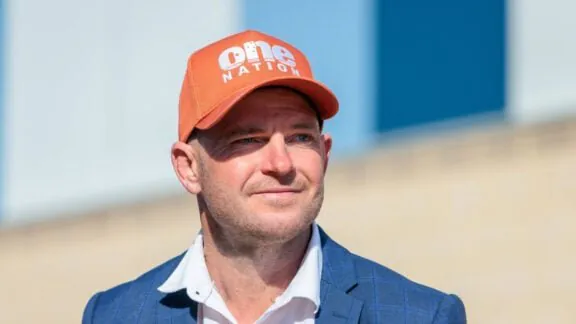


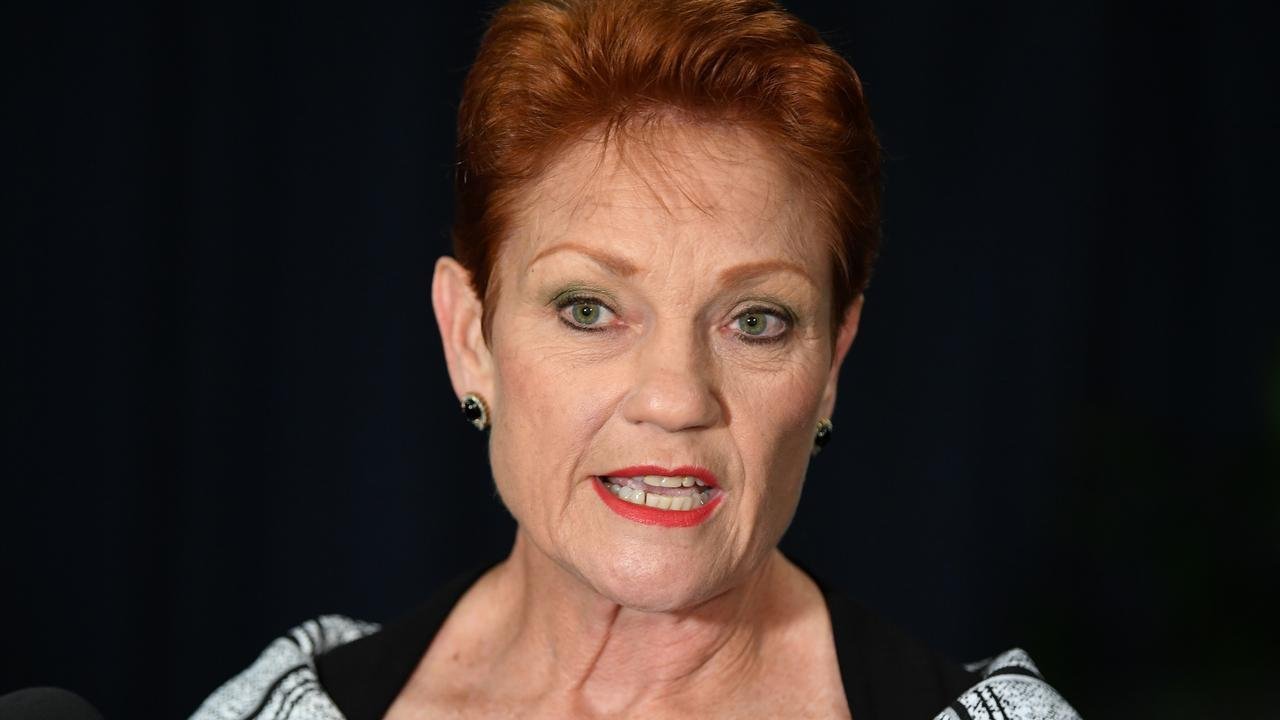
One message, which referenced a recent court ruling, read: ‘So happy you lost $100,000 but it’s not f***ing enough we WILL ruin your life as much as humanly possible.’
The ruling, which ordered a women’s rights activist to pay $95,000 to two biologically male trans soccer players, has been seen by some as a significant setback for women’s rights.
However, others have argued that it is a necessary step towards promoting inclusivity and equality.
The controversy has sparked a heated debate about the limits of free speech and the need for police protection at public events. Grover has argued that while she supports counter-protest, she is opposed to incitement and intimidation.
‘We don’t send threats and we don’t try to intimidate these guys, because we’re not opposed to counter-protest,’ she said.
‘What I am against is incitement, and that in order to hold these rallies to defend our rights, we need police protection from trans activists.’
Analysis: What This Means for Australia
The escalating tensions between women’s rights and trans rights activists in Australia have significant implications for public safety and free speech.
The need for police protection at public events is becoming increasingly evident, as is the need for a more nuanced and respectful debate around these issues.
Security analysts say that the rise of online hate speech and intimidation is a major concern, particularly in the wake of the COVID-19 pandemic, which has seen a significant increase in online activity.
‘The internet has created a breeding ground for hate speech and intimidation,’ said one analyst. ‘It’s a major challenge for law enforcement and one that requires a coordinated response.’
Law enforcement insiders warn that the situation is becoming increasingly volatile, with the potential for violence and intimidation at public events. ‘We’re seeing a rise in reports of hate speech and intimidation, particularly against women’s rights activists,’ said one insider.
‘It’s a major concern and one that we’re taking very seriously.’
Industry observers believe that the controversy highlights the need for a more nuanced and respectful debate around women’s rights and trans rights. ‘We need to create a space where people can have respectful and informed discussions about these issues,’ said one observer.
‘The current level of vitriol and intimidation is unacceptable and is only serving to polarize the debate.’
As the debate continues to rage, one thing is clear: the need for a more respectful and nuanced discussion around women’s rights and trans rights in Australia is becoming increasingly urgent.
The question is, can we find a way to have that discussion without resorting to hate speech and intimidation?