Desperate Family Plea: $1 Million Reward Sought to Uncover Truth Behind Indigenous Woman’s Mysterious Disappearance in Brisbane
- Monique Clubb, a 24-year-old Indigenous woman, vanished in 2013 during a trip from Hervey Bay to Brisbane with three acquaintances.
- A coronial inquest found police mishandled the initial investigation, including misplacing security footage and failing to interview key witnesses.
- Experts say a $1 million reward could be the key to unlocking new information and solving the case, which has left Monique’s family with a “life sentence of unanswered grief”.
- The case has raised concerns about systemic issues in the treatment of missing persons cases involving Aboriginal people, including a narrow perspective that can lead to “crucial insights” being lost.
It’s been over nine years since Monique Clubb, a bright and promising young Indigenous woman, disappeared in Brisbane. Her family has been left with a void that can never be filled, and a plethora of unanswered questions that continue to haunt them.
The 24-year-old was last seen on June 22, 2013, when she entered a Beenleigh shopping centre, but despite a coronial inquest and numerous investigations, her fate remains a mystery.
Monique’s family has been tireless in their pursuit of justice, and their latest plea is for Queensland Police to implement a $1 million reward for any new information that could help solve her case.
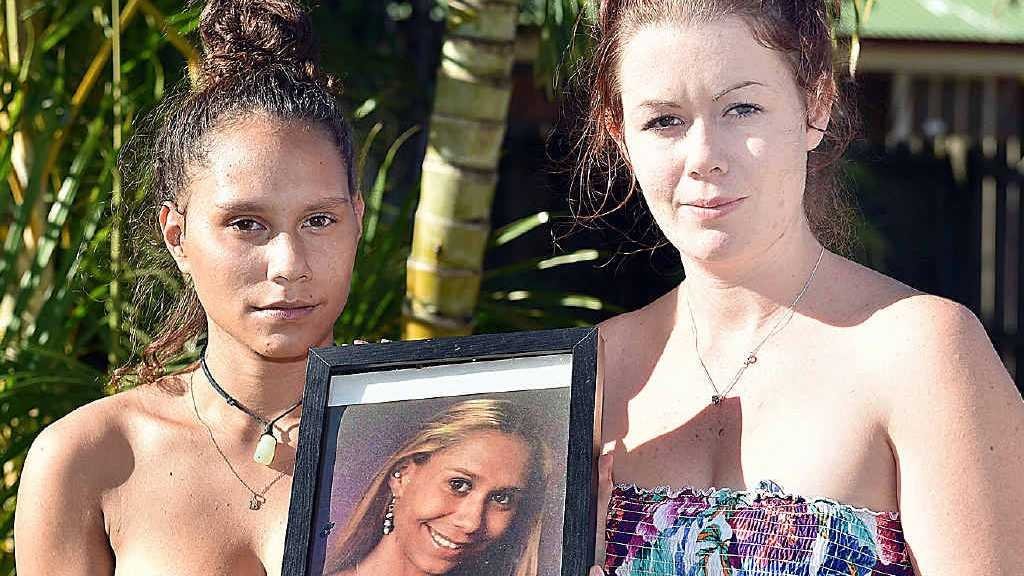
The family believes that the financial incentive could be the key to “shattering the wall of silence” that has surrounded Monique’s disappearance.
The coronial inquest into Monique’s disappearance uncovered several issues with how police handled the initial investigation. Security footage from the Beenleigh train station was misplaced, and police failed to interview workers from the shoe store where Monique was last seen.




The inquest also found that police were unable to receive a completed version of Monique’s phone records, which could have provided crucial information about her final days.
Experts say that the mishandling of the investigation could have had a significant impact on the case.
Martin Hodgson, co-founder of The Disappeared Project, said that the misplaced security footage could have captured vital information about Monique’s movements after she left the shopping centre.
“It could have shown which rail station she might have departed from, if she’d used a public phone or who else she might have been with,” he said.
Amy McQuire, a Darumbal and South Sea Islander researcher, said that the narrow perspective of police can often lead to “crucial insights” being lost in missing persons cases involving Aboriginal people.
“When police have a narrow perspective, they can miss the bigger picture,” she said. “They might focus on one aspect of the case and miss other important details.”
Monique’s family has been advocating for a reward for several years, and their campaign has gained momentum in recent months. The family believes that the reward could motivate people with crucial information to come forward.
“We know there are individuals out there who hold the answers, and we want to encourage them to come forward,” said Monique’s younger sister, Minnie Clubb.
Analysis: What This Means for Australia
The case of Monique Clubb highlights the need for greater accountability and transparency in the treatment of missing persons cases involving Aboriginal people.
The mishandling of the investigation and the narrow perspective of police can have serious consequences, including the loss of crucial information and the failure to bring perpetrators to justice.
Security analysts say that the case also raises concerns about the broader issue of Indigenous over-representation in the justice system.
“The fact that Indigenous people are more likely to be victims of crime and less likely to receive justice is a national shame,” said one analyst.
“We need to do more to address the systemic issues that contribute to this disparity.”
Law enforcement insiders warn that the case also highlights the need for greater cultural awareness and sensitivity in policing. “Police need to understand the cultural nuances of the communities they serve,” said one insider.
“This includes being aware of the historical tensions between law enforcement and Indigenous people, and taking steps to build trust and rapport.”
Expert commentary suggests that the implementation of a reward could be a crucial step in solving the case. “A reward can be a powerful incentive for people to come forward with information,” said Professor Sarah Wayland, a missing persons researcher.
“It can also help to raise awareness about the case and encourage people to think about what they might have seen or heard.”
The Clubb family’s campaign for a reward has sparked a national conversation about the need for greater support and resources for families of missing persons. “We just want to bring our sister home,” said Minnie Clubb.
“We want to know what happened to her, and we want justice.”