Deadly Bird Flu Outbreak on Australian Shores: ‘Extinction-Level’ Threat Looms for Endangered Sea Lions as Virus Spreads to Breeding Grounds
- A suspected case of H5 bird flu has been detected in a long-nosed fur seal on a key breeding ground off Kangaroo Island, a day after Australia’s first case in a mammal was confirmed.
- The Invasive Species Council warns that if the virus takes hold in sea lion populations, it could lead to an “extinction-level” event, with fewer than 10,000 mature adults remaining on Kangaroo Island and the WA coast.
- Authorities have put a pause on beach tours at Seal Bay on the south coast of Kangaroo Island, and are considering vaccination options, but experts say Australia is playing catch-up when it comes to vaccine development for endangered species.
- Federal Environment Minister Murray Watt says the government is prepared to invest more in bird flu preparedness, but Senator Jack Gough claims successive federal governments have failed to heed warnings about the virus.
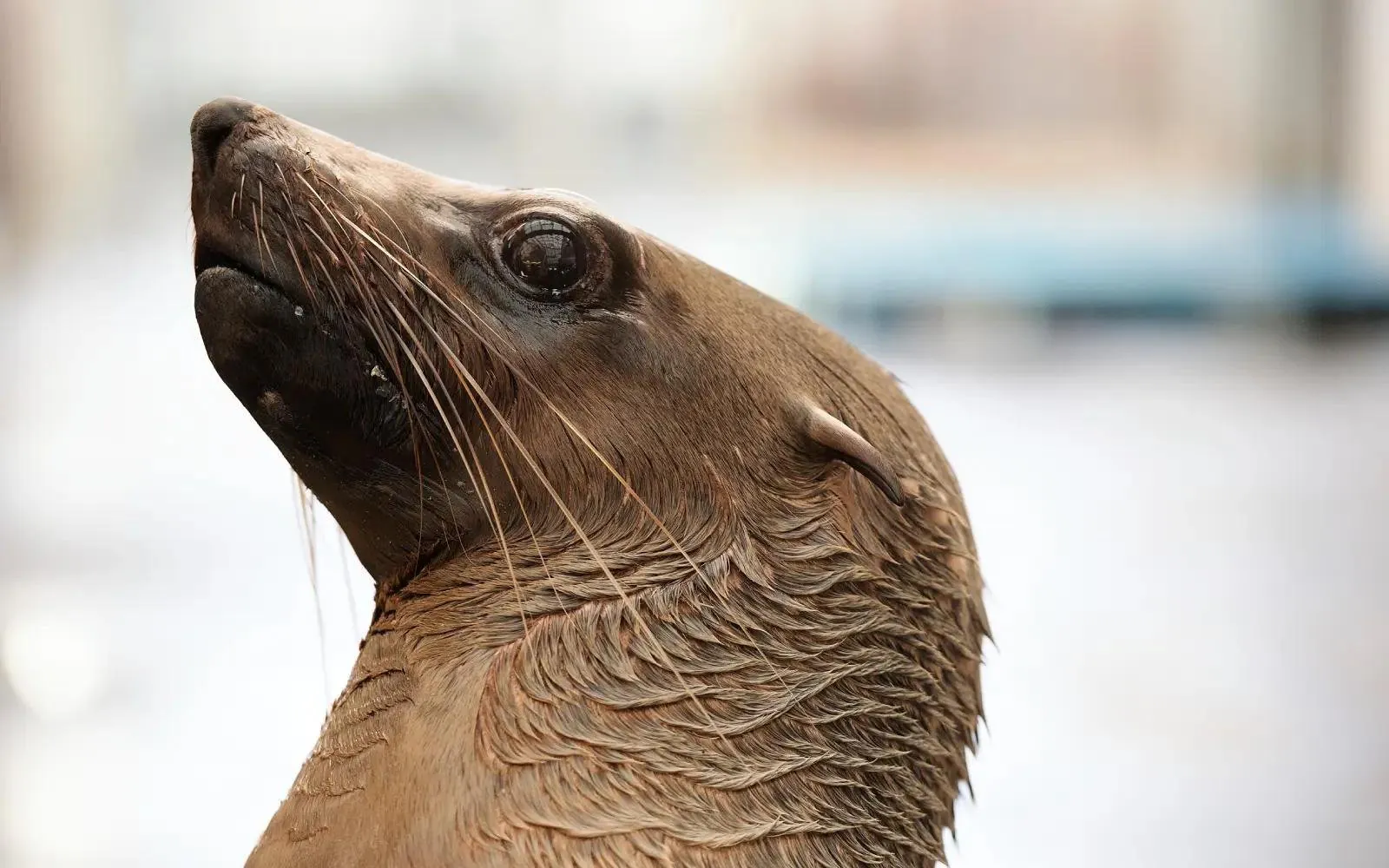
The discovery of a suspected case of H5 bird flu in a long-nosed fur seal on a key breeding ground off Kangaroo Island has sent shockwaves through the environmental community, with warnings of an “extinction-level” threat to endangered sea lions.
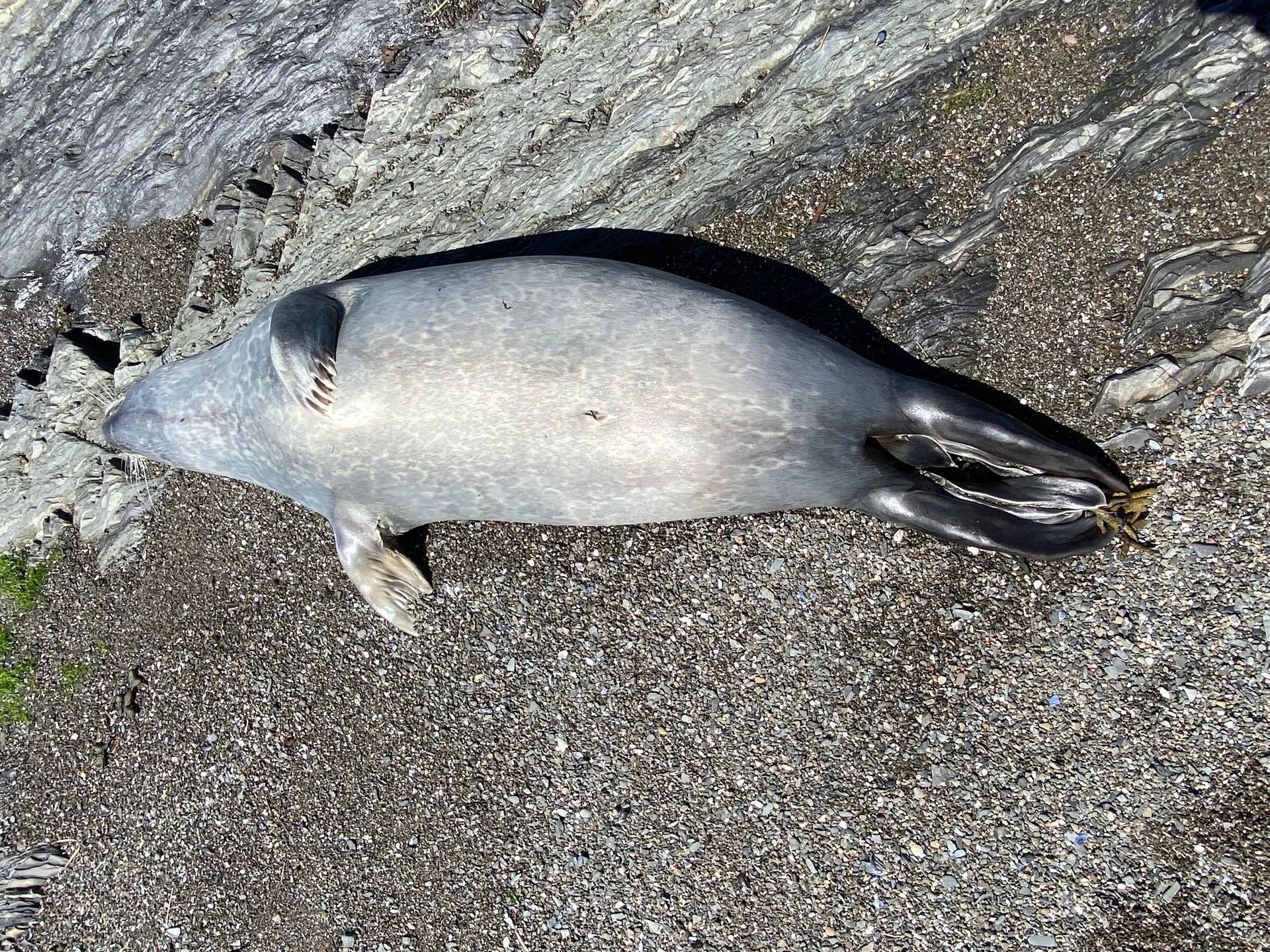
The case, which is yet to be confirmed, follows Australia’s first confirmed case of the virus in a mammal – a seal found dead at Beachport in SA’s South East last week.
The Pages Conservation Park, where the suspected case was detected, is the site of a mass mortality event in birds, presumed to have died from the H5 strain.
The islands are an important breeding site for the endangered Australian sea lion, and the Invasive Species Council says that transmission among mammals in other parts of the world has led to high mortality rates, particularly among pups.
Experts are warning that the spread of the virus to sea lion breeding grounds could have devastating consequences. “We’ve not seen the start of it yet,” said Adelaide University wildlife veterinary expert Wayne Boardman.



“The first wave is going to be the worst because all the population is naive to this virus and have no antibody response.”
Analysis: What This Means for Australia
The spread of bird flu to sea lion breeding grounds is a stark reminder of the potential consequences of inaction. As Senator Watt noted, the federal government has spent $113 million on bird flu preparedness, but experts say this is too little, too late.
The government’s failure to invest in vaccine development for endangered species has left Australia playing catch-up, and the consequences could be catastrophic.
Security analysts say that the spread of the virus to sea lion breeding grounds highlights the need for increased funding and resources to combat the outbreak.
“We need to be realistic about the risks and take action to mitigate them,” said one expert. “This is not just an environmental issue, but a national security concern.”
Law enforcement insiders warn that the spread of the virus could also have implications for public safety. “We need to be prepared for the worst-case scenario,” said one source.
“If the virus spreads to humans, we could be facing a major public health crisis.”
As the situation continues to unfold, one thing is clear: the spread of bird flu to sea lion breeding grounds is a wake-up call for Australia.
It’s time for the government to take action and invest in the resources needed to combat this deadly outbreak.
bird flu outbreak endangered species Australian Bureau of Statistics