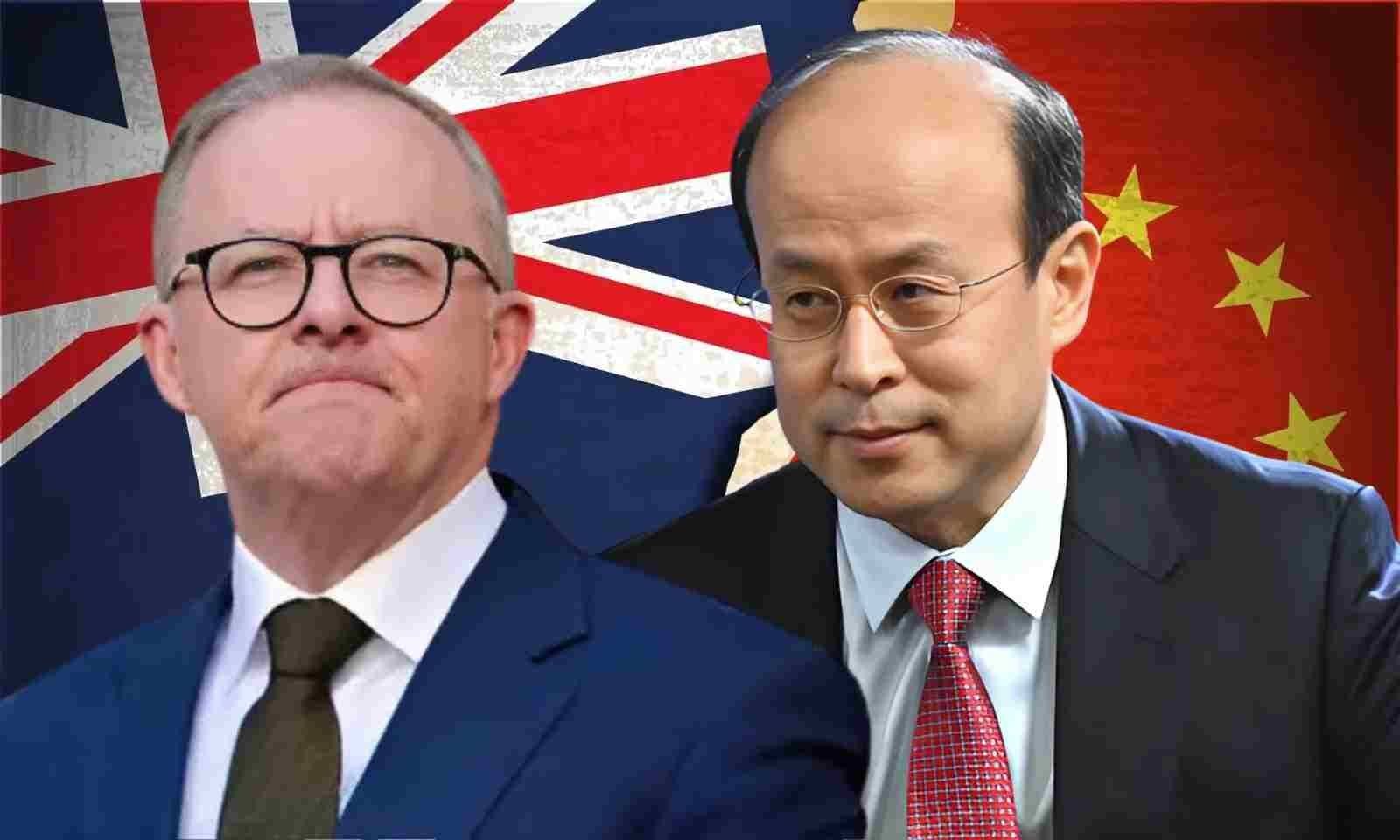
China’s New Ambassador to Australia Issues Stern Warning to Albanese Government: ‘Respect Our Core Interests or Face Consequences’
- China’s new ambassador to Australia, Liu Jinsong, has arrived in Canberra with a stark message for the Albanese government: respect Beijing’s ‘core interests and major concerns’ or risk damaging relations.
- Liu’s warning comes as tensions between Australia and China remain high over security, military activity, and the future of Darwin Port.
- The veteran diplomat’s comments have sparked concerns that China is seeking to exert its influence over Australia’s foreign policy and undermine the country’s national interests.
- Liu’s arrival in Australia marks a critical moment in the fragile relationship between the two nations, with Beijing seeking to reassert its dominance in the region.
Australia’s new ambassador from China, Liu Jinsong, has landed in Canberra with a clear message for the Albanese government: respect Beijing’s ‘core interests and major concerns’ or face the consequences.
The warning has sparked concerns that China is seeking to exert its influence over Australia’s foreign policy and undermine the country’s national interests.
Liu, a seasoned diplomat with a background in Asian affairs, made the comments in his first statement following his appointment.
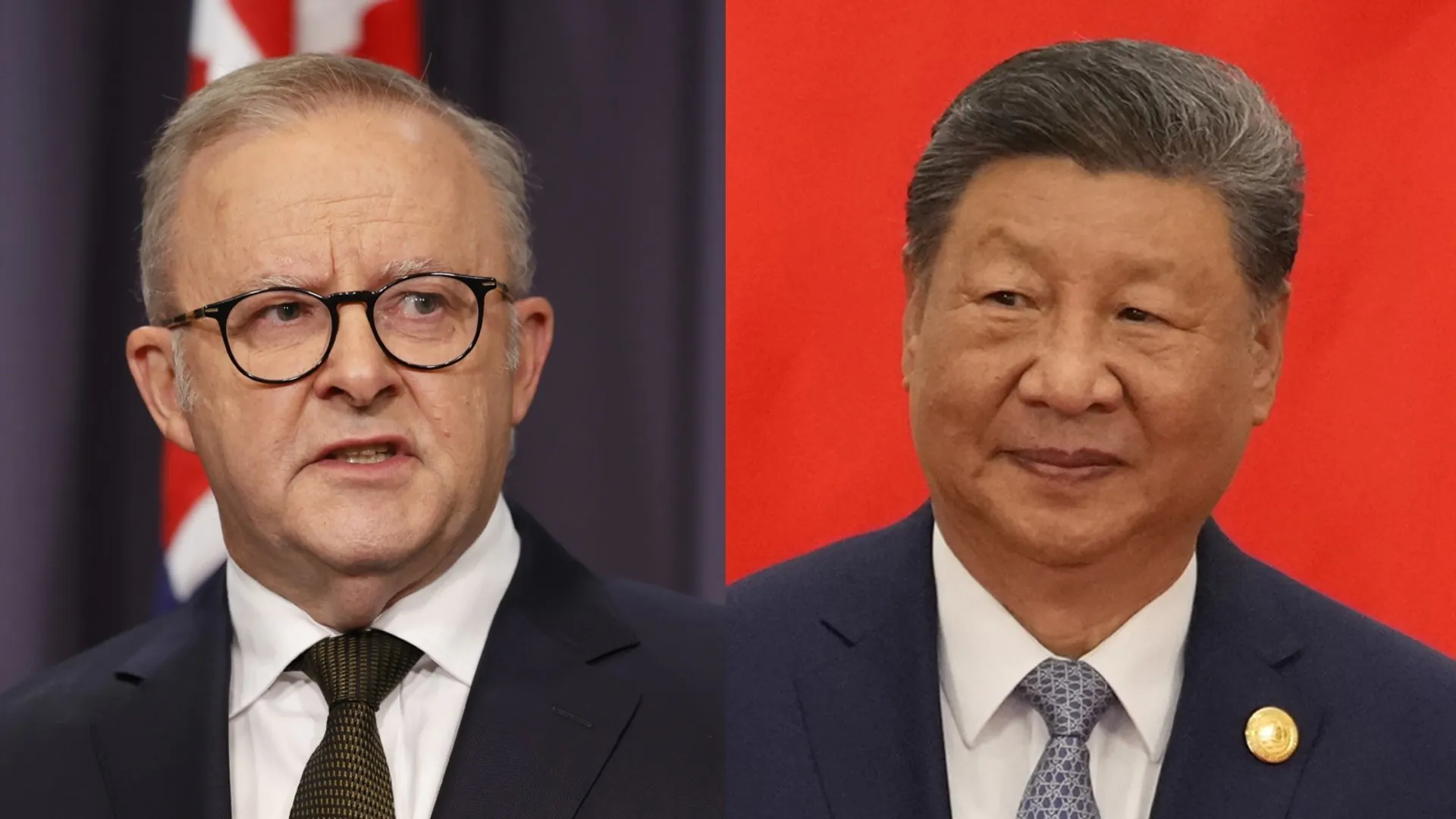
He emphasized the need for both countries to ‘respect each other’s core interests and major concerns’ and to ‘strive to expand the pie of mutual benefit and win-win cooperation.’ However, his words were laced with a subtle yet unmistakable warning: Australia must prioritize China’s interests or risk damaging relations.
The timing of Liu’s arrival in Australia is significant, coming as it does at a sensitive moment in the fragile relationship between the two nations. Relations between Beijing and Canberra reached a low point under former Prime Minister Scott Morrison, with China imposing trade bans and restrictions on Australian commodities.




However, under Prime Minister Anthony Albanese, relations have stabilised, with Beijing rolling back trade bans on around $20 billion worth of Australian exports.
Despite this, major strategic divisions persist.
Australia has repeatedly raised concerns about China’s military presence in the Indo-Pacific, while Beijing continues to criticise Canberra’s defence partnerships and close ties with the United States.
In July, Australia condemned China’s test of a nuclear-capable ballistic missile launched into the Pacific, with Foreign Minister Penny Wong describing the launch as ‘destabilising and against the wishes of Pacific nations.’
The future of Darwin Port remains another flashpoint in the relationship.
The Northern Territory’s strategically important port is leased to Chinese-owned Landbridge under a 99-year deal, but both major Australian parties have signalled support for returning it to Australian ownership.
Beijing has warned against such a move, with former ambassador Xiao Qian saying any action affecting the lease could damage Chinese investor confidence and provoke a response from Beijing.
Analysis: What This Means for Australia
Liu’s warning to the Albanese government has significant implications for Australia’s national security and foreign policy. China’s increasing assertiveness in the region, combined with its growing economic influence, poses a major challenge to Australia’s sovereignty and independence.
The country must carefully navigate its relationship with China, balancing the need for economic cooperation with the need to protect its national interests.
Security analysts say that Australia must be cautious in its dealings with China, recognising the risks of Beijing’s increasing influence in the region. ‘China’s core interests are not necessarily aligned with Australia’s national interests,’ said one analyst.
‘We need to be careful not to compromise our sovereignty and independence in the pursuit of economic gain.’
Law enforcement insiders warn that China’s growing presence in Australia poses a significant threat to the country’s national security. ‘We are seeing an increasing number of Chinese nationals with ties to the Communist Party operating in Australia,’ said one source.
‘This poses a major risk to our national security and we need to take steps to address it.’
Industry observers believe that the future of Darwin Port is a critical issue that must be addressed. ‘The port is a strategic asset that is critical to Australia’s national security,’ said one observer.
‘We need to take steps to ensure that it is not compromised by Chinese ownership.’