Minister’s Taxpayer-Funded Trip Under Fire: ‘Fake Meetings’ And ‘Contempt’ For Public Exposed In Damning New Evidence
- Communications Minister Anika Wells faces fresh questions over her $4,000 taxpayer-funded trip to Adelaide, which included attending a close friend’s 40th birthday party
- Searches of two ministers’ records found no documentation of meetings Wells claimed took place, sparking opposition calls for her sacking
- The scandal raises serious concerns about the integrity of Australia’s parliamentary expenses system and the accountability of ministers
- Opposition spokeswoman Sarah Henderson says Wells has “treated taxpayers with contempt” and demands Prime Minister’s action
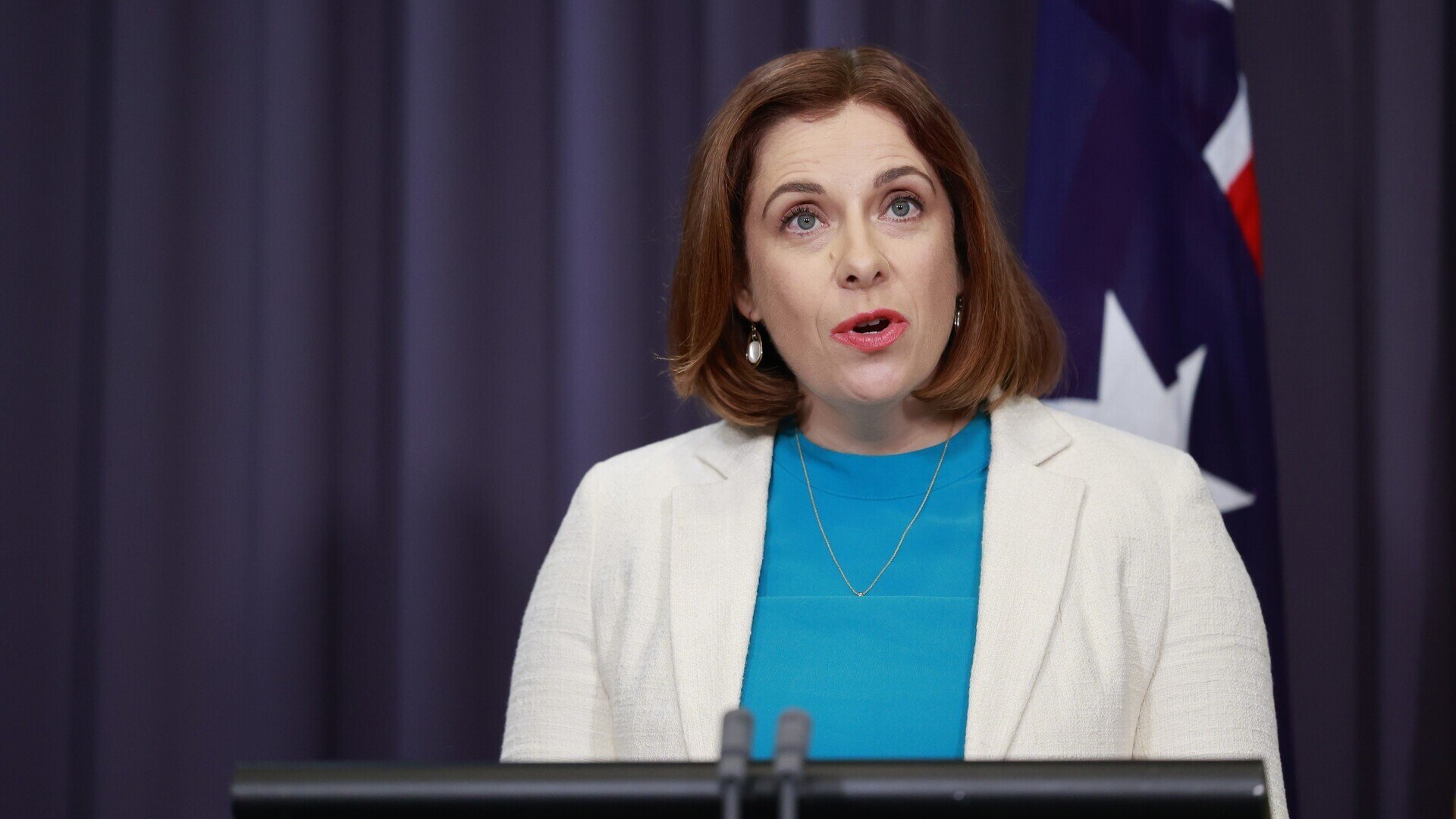
The Australian public is reeling from revelations that Communications Minister Anika Wells’ taxpayer-funded trip to Adelaide may have been justified by ‘fake meetings’, sparking a fresh wave of outrage and demands for her resignation.
The trip, which cost taxpayers almost $4,000, included attending the 40th birthday celebration of her close friend Connie Blefari, the wife of South Australian Health Minister Chris Picton.
Wells had claimed that the trip was for official business, citing meetings with Trade Minister Don Farrell’s chief of staff and a ‘sideline meeting’ with Picton.
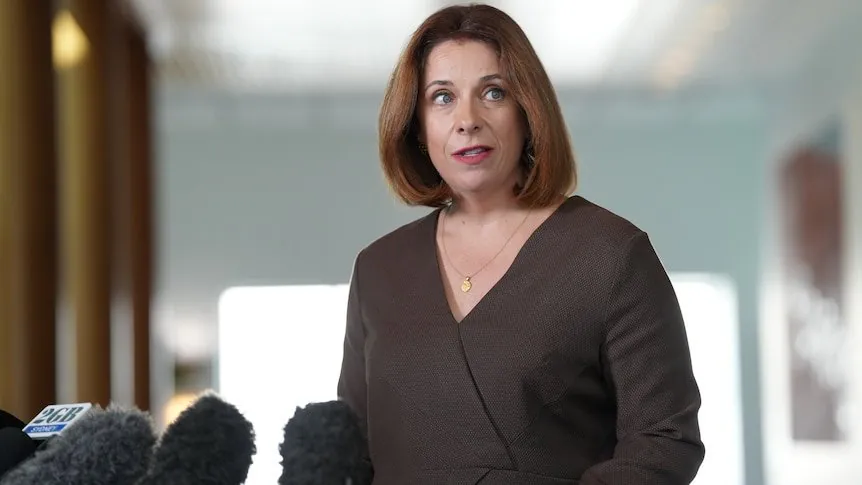
However, searches of two ministers’ records have found no documentation of these meetings, leaving many to question the legitimacy of Wells’ expense claims.
The core of the controversy surrounds the lack of records documenting Wells’ meetings with Farrell’s chief of staff, Ben Rillo, and Picton.



Despite Farrell’s office confirming that the meeting with Rillo took place, an FOI search found no emails, text messages, diary entries, or other records to support this claim.
Similarly, Picton’s ministerial diary contained no record of a meeting with Wells, with the diary marked ‘personal affairs’ from 5pm onwards.
Wells had told the Independent Parliamentary Expenses Authority (IPEA) that her planned afternoon meeting with Picton did not go ahead, instead claiming that they held a ‘sideline meeting’ at the party.
However, the lack of documentation has raised serious questions about the accuracy of Wells’ account.
To understand the significance of this scandal, it is essential to delve into the broader context of Australia’s parliamentary expenses system. The system is designed to ensure that ministers and parliamentarians are able to carry out their duties without incurring personal expenses.
However, the lack of transparency and accountability in the system has led to numerous scandals in recent years, with many ministers and parliamentarians being accused of misusing taxpayer funds.
The Wells scandal is just the latest example of this, and it highlights the need for urgent reform to ensure that the system is fair, transparent, and accountable to the public.
Analysis: What This Means for Australia
The scandal surrounding Wells’ taxpayer-funded trip has significant implications for Australia’s national security, law enforcement, and community safety. The lack of accountability and transparency in the parliamentary expenses system undermines the public’s trust in government and institutions.
It also raises concerns about the potential for corruption and the misuse of taxpayer funds. Security analysts say that the scandal highlights the need for stronger oversight and accountability mechanisms to prevent similar abuses of power in the future.
Law enforcement insiders warn that the scandal may also have implications for the integrity of Australia’s border control and law enforcement agencies, which rely on public trust and confidence to operate effectively.
Industry observers believe that the scandal will have significant economic and social consequences for Australia.
The lack of transparency and accountability in the parliamentary expenses system may lead to a decline in public trust and confidence in government, which could have far-reaching consequences for the economy and society.
It may also lead to a decline in foreign investment and a loss of international credibility, which could have significant economic implications for Australia. Furthermore, the scandal may also have social consequences, including a decline in community cohesion and an increase in social unrest.
Security experts say that the scandal highlights the need for a thorough review of Australia’s parliamentary expenses system to ensure that it is fair, transparent, and accountable to the public.
This review should include measures to increase transparency and accountability, such as the publication of ministerial diaries and expense claims, as well as the introduction of stronger oversight and accountability mechanisms.
Law enforcement insiders warn that the scandal may also require a review of Australia’s border control and law enforcement agencies to ensure that they are operating with the highest levels of integrity and transparency.
In conclusion, the scandal surrounding Wells’ taxpayer-funded trip is a significant concern for Australia, with implications for national security, law enforcement, and community safety.
The lack of accountability and transparency in the parliamentary expenses system undermines the public’s trust in government and institutions, and raises concerns about the potential for corruption and the misuse of taxpayer funds.
It is essential that the government takes urgent action to address these concerns, including a thorough review of the parliamentary expenses system and the introduction of stronger oversight and accountability mechanisms.