Australia’s Renewable Energy Future Hangs In The Balance As Victoria Approves Controversial Warracknabeal Energy Park
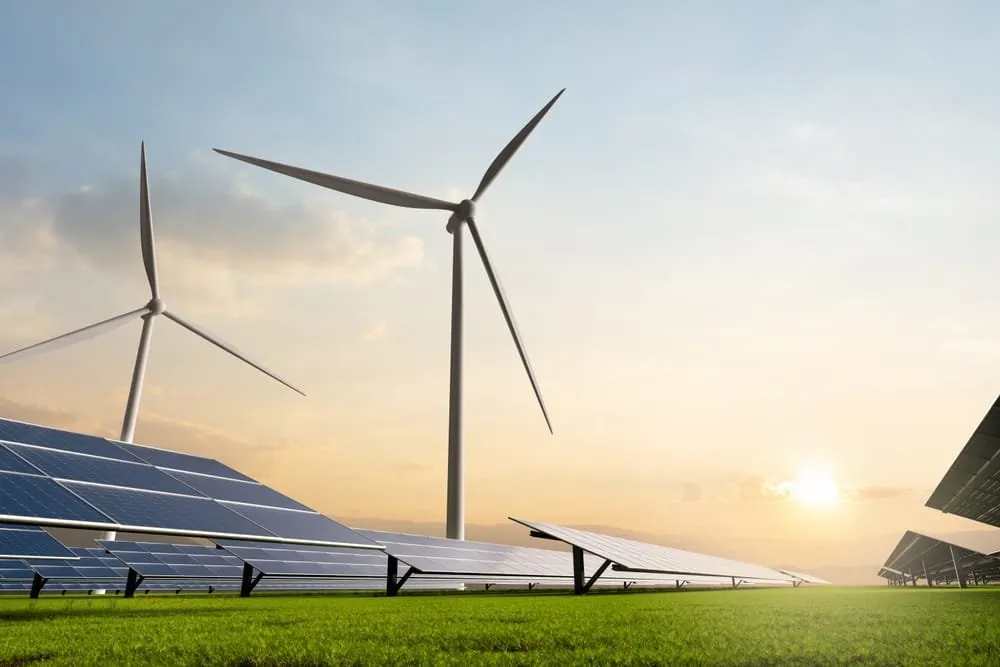
- The Warracknabeal Energy Park, set to be the largest wind farm in Australia, has been given the green light by the Victorian government, sparking heated debate about the project’s viability and potential impact on local communities.
- The proposed 219-turbine wind farm, which would power over 1.2 million homes, has been met with concerns about visual amenity, housing, and the strain on local services, with some critics labelling the plan “totally irresponsible”.
- As the project now awaits federal approval, questions are being raised about the timing of the state government’s decision, with some suggesting it may be a pre-election sweetener, while others argue it’s a crucial step towards securing Australia’s renewable energy future.
- The wind farm’s approval has also sparked concerns about the potential impact on local wildlife and the environment, with some arguing that the project’s benefits do not outweigh the potential risks to the region’s ecosystem.
The Warracknabeal Energy Park, a massive 26,000-hectare wind farm, has been a topic of discussion for years, with the Victorian government finally giving it the nod of approval.
The project, which would be the largest of its kind in Australia, is expected to deliver 1.5 gigawatts of renewable energy, enough to power over 1.2 million homes.
However, the decision has not been without controversy, with many in the local community expressing concerns about the potential impact on the environment, housing, and local services.
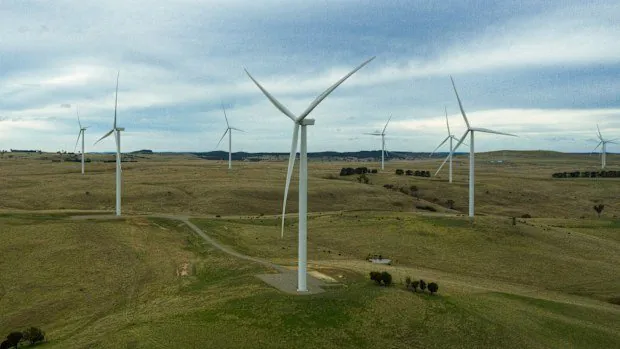
At the heart of the debate is the question of whether the project’s benefits outweigh the potential risks.
Proponents of the wind farm argue that it would provide a much-needed boost to the local economy, creating close to 950 jobs during the construction phase and providing a diverse income stream for the rural area.



However, critics argue that the project’s approval is premature, given the lack of infrastructure to support it, including transmission lines.
Ross Johns, president of the Wimmera Mallee Environmental and Agricultural Protection Association, has labelled the plan “totally irresponsible”, citing the lack of evidence to suggest that the project is in the country’s best interests.
The project’s approval has also sparked concerns about the potential impact on local wildlife and the environment.
The wind farm would be located in an area known for its unique biodiversity, and some have raised concerns about the potential disruption to local ecosystems.
However, the project’s developers, WestWind Energy, argue that the wind farm would be designed to minimize its impact on the environment, with measures in place to protect local wildlife and habitats.
As the project now awaits federal approval, questions are being raised about the timing of the state government’s decision. Some have suggested that the approval may be a pre-election sweetener, designed to win over voters in the lead-up to the state election.
However, others argue that the decision is a crucial step towards securing Australia’s renewable energy future. With the country committed to reducing its carbon emissions, projects like the Warracknabeal Energy Park are seen as essential to meeting these targets.
Security analysts say that the project’s approval highlights the need for a comprehensive approach to renewable energy, one that takes into account the potential risks and benefits of large-scale projects.
The Warracknabeal Energy Park is just one example of the many renewable energy projects being proposed across the country, and it’s clear that a more nuanced approach is needed to ensure that these projects are delivered in a way that benefits both the environment and local communities.
Law enforcement insiders warn that the project’s approval also raises concerns about the potential for corruption and exploitation. With large-scale projects like the Warracknabeal Energy Park, there is always a risk that corrupt practices may be used to influence the approval process.
It’s essential that the federal government ensures that the project is subject to rigorous scrutiny and oversight to prevent any potential wrongdoing.
Analysis: What This Means for Australia
The approval of the Warracknabeal Energy Park has significant implications for Australia’s renewable energy future.
As the country continues to grapple with the challenges of climate change, projects like this one are essential to reducing our reliance on fossil fuels and meeting our carbon emission targets.
However, it’s clear that a more comprehensive approach is needed to ensure that these projects are delivered in a way that benefits both the environment and local communities.
This includes ensuring that projects are subject to rigorous scrutiny and oversight, and that the potential risks and benefits are carefully considered.
Industry observers believe that the project’s approval is a significant step forward for Australia’s renewable energy sector.
The Warracknabeal Energy Park is just one example of the many large-scale renewable energy projects being proposed across the country, and it’s clear that these projects will play a critical role in shaping Australia’s energy future.
However, it’s also important to recognize the potential challenges and risks associated with these projects, and to ensure that they are delivered in a way that benefits both the environment and local communities.
As the project now awaits federal approval, it’s clear that the Warracknabeal Energy Park will be a major talking point in the lead-up to the state election.
With the project’s potential to deliver significant economic and environmental benefits, it’s likely to be a key issue for voters.
However, it’s also important to recognize the potential risks and challenges associated with the project, and to ensure that these are carefully considered as part of the approval process.
For more information on the Warracknabeal Energy Park and its potential impact on Australia’s renewable energy future, visit the renewable energy page on our website.
You can also find more information on the project’s approval process and the potential challenges and risks associated with it by visiting the Australian Government Department of the Environment and Energy website.