Australia’s Shame: Watchdog Slams AFP Over Racist Arrest of Innocent Indigenous Teenager
- A 17-year-old Indigenous boy was wrongly arrested at gunpoint by ACT Policing officers who mistakenly identified him as an armed offender.
- The Commonwealth Ombudsman condemned the Australian Federal Police for failing to understand racial profiling and using “potentially lethal” force on the teenager.
- The boy’s family claims he was targeted because of his race, and the incident has left him traumatized and refusing to catch the bus.
The disturbing incident, which occurred on November 11 last year, has sparked widespread outrage and raised serious concerns about racial profiling and police brutality in Australia.
The boy, who was on his way home from school, was dragged off a bus in Woden by three police officers with guns drawn. He was then slammed to the ground, handcuffed, and searched, despite officers realizing their mistake just 90 seconds later.
The Chief Police Officer initially defended the actions of the officers, claiming they had followed procedure and used reasonable force. However, the AFP has since acknowledged that the search was a “serious breach” of their code of conduct.
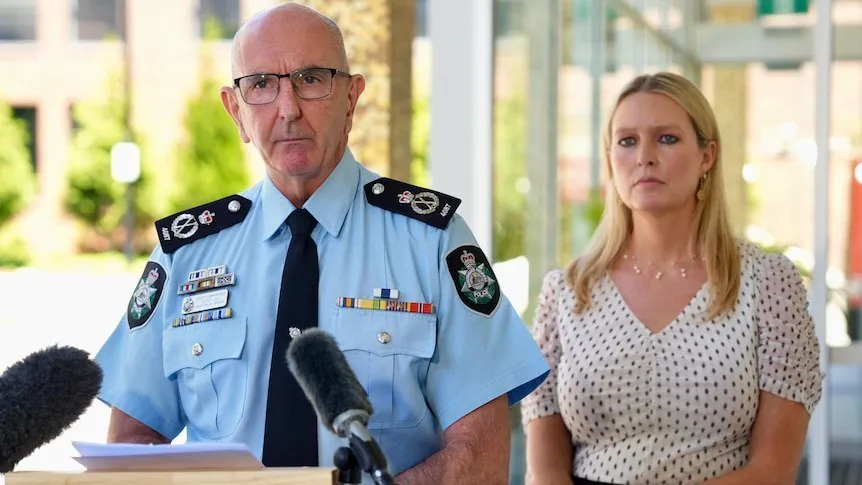
The police have apologized to the boy and his family, but denied that racial profiling was a factor in the arrest.
However, the Commonwealth Ombudsman’s report paints a damning picture of a police force that is ill-equipped to deal with Indigenous Australians. The report found that the AFP failed to provide proper aftercare to the boy, who was left shaken and traumatized by the experience.

The police also failed to contact the boy’s family, who only found out about the incident days later.
The Ombudsman’s report made eight recommendations, including the establishment of a clear definition of racial profiling and the development of protocols for sharing information with First Nations-led entities.
The AFP has accepted all of the recommendations in principle, but the boy’s family remains skeptical.
Analysis: What This Means for Australia
This incident is just the latest in a long line of examples of racial profiling and police brutality in Australia.
The fact that the AFP failed to recognize the boy’s Aboriginality as a “flag” for the need for increased awareness and sensitivity is a damning indictment of the police force’s understanding of Indigenous issues.
Security analysts say that this incident highlights the need for greater diversity and cultural awareness training within the AFP. “This incident is a clear example of how racial profiling can have devastating consequences for Indigenous Australians,” said one expert.
“The AFP needs to take concrete steps to address these issues and rebuild trust with the community.”
Law enforcement insiders warn that the lack of a clear definition of racial profiling in Australia is a major problem. “Without a clear definition, it’s impossible to hold police accountable for their actions,” said one source.
“This incident is a wake-up call for the AFP to get its house in order and start taking racial profiling seriously.”
Industry observers believe that this incident will have far-reaching consequences for the AFP and the broader community. “This incident has the potential to damage the relationship between the AFP and Indigenous Australians irreparably,” said one expert.
“The AFP needs to take immediate action to address these issues and rebuild trust with the community.”
The incident has also sparked renewed calls for greater accountability and transparency within the AFP. “This incident is a clear example of how the AFP’s lack of transparency and accountability can have devastating consequences,” said one advocate.
“The AFP needs to be held accountable for its actions and take concrete steps to address these issues.”
In the meantime, the boy and his family continue to struggle with the aftermath of the incident. The boy’s family has said that he still refuses to catch the bus and experiences anxiety attacks when police cars pass.
The incident has left a lasting impact on the family and the broader community.