Albanese Government’s Shocking Betrayal: Refugee Intake Slashed by a Third, Leaving Labor MPs Reeling
- Labor’s plan to cut refugee intake from 20,000 to 13,750 sparks outrage and confusion within the party
- Move described as “extraordinary betrayal” of Labor’s rank and file members, who were promised a higher intake
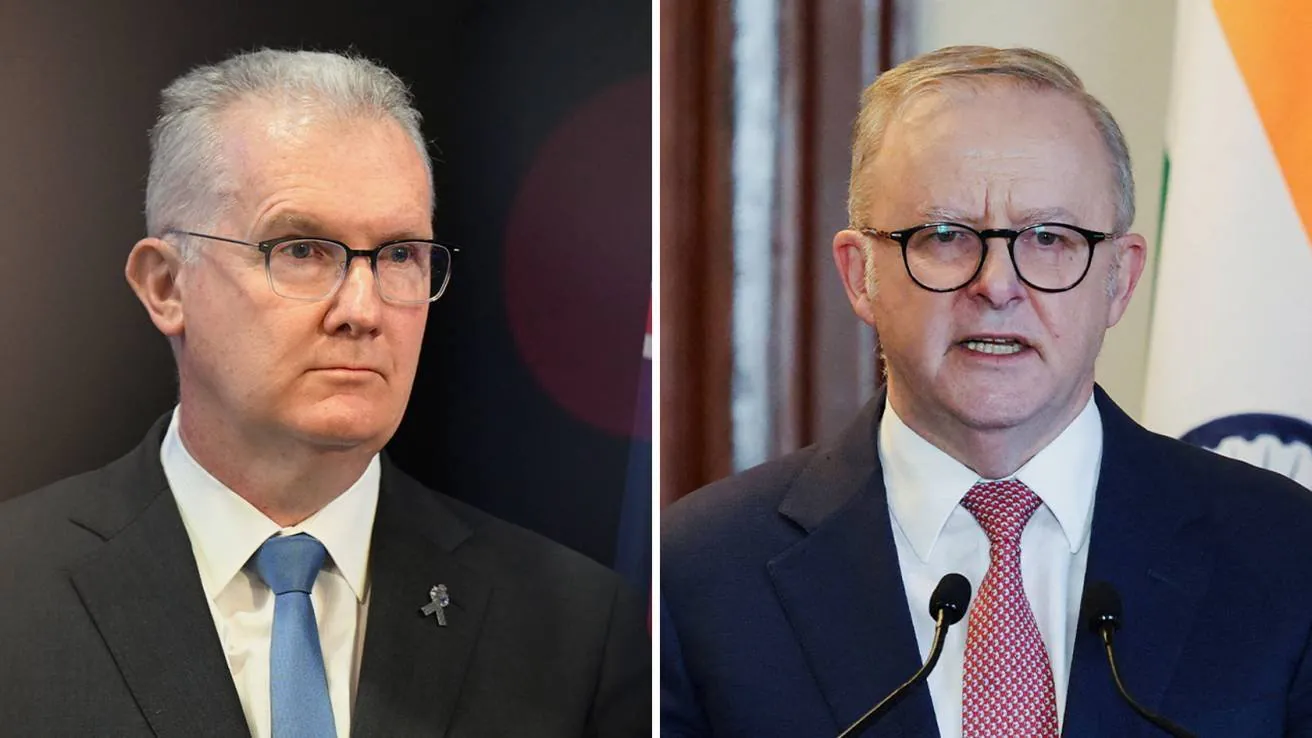
- Prime Minister Anthony Albanese casts doubt on reports, saying “don’t believe everything you read”
- Decision has significant implications for Australia’s humanitarian program and the country’s reputation on the world stage
The Albanese government’s plan to slash its annual refugee intake by a third has sent shockwaves through the Labor party, with several MPs expressing outrage and confusion over the decision.
Despite Prime Minister Anthony Albanese’s attempts to downplay the reports, the move has been confirmed by the Home Affairs minister’s office, sparking accusations of an “extraordinary betrayal” of the party’s rank and file members.
At the heart of the controversy is the government’s plan to reduce the humanitarian intake from 20,000 to 13,750, a move that has been described as a return to the Morrison-era numbers.
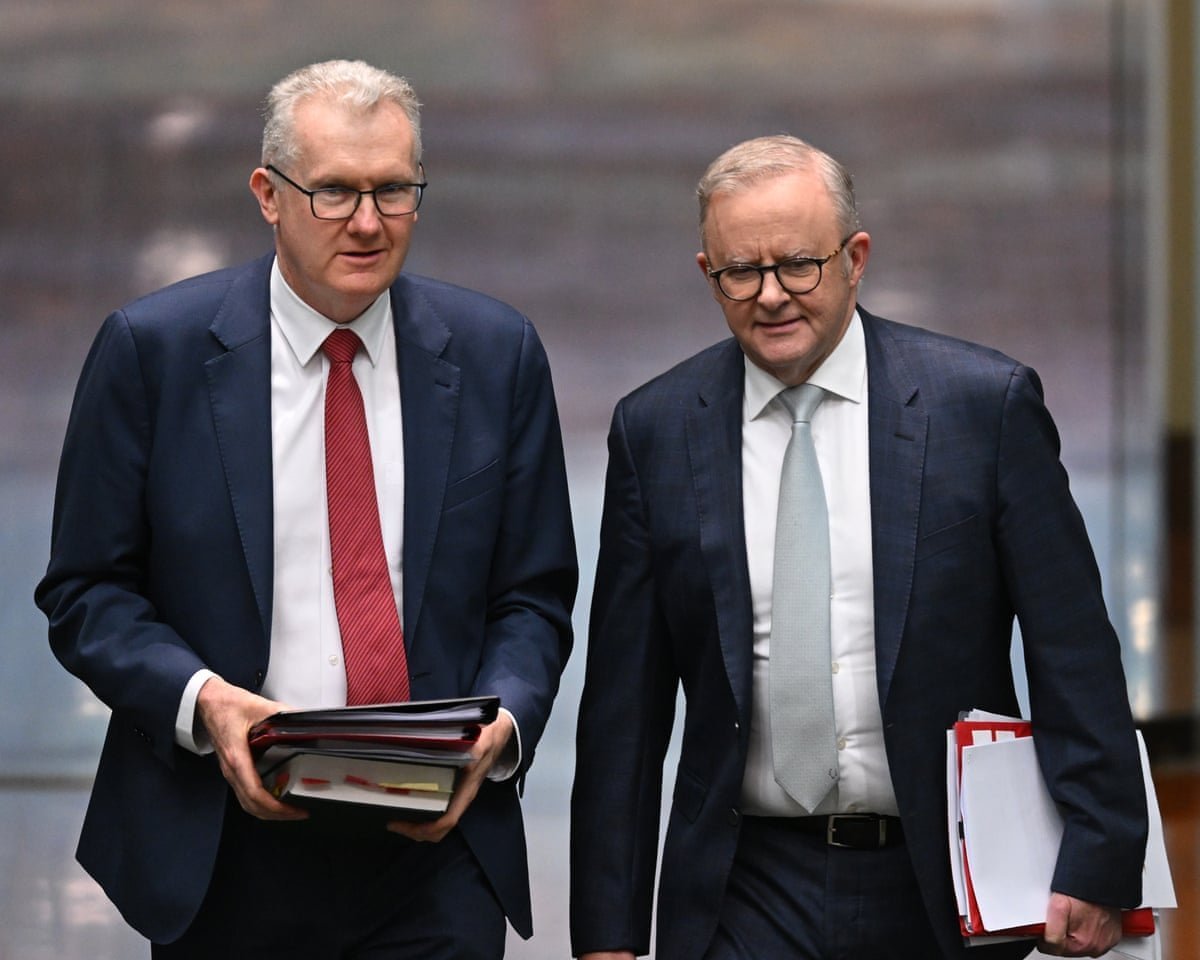
The decision has not been canvassed in any caucus forums, and several Labor MPs have disputed the characterisation that the higher intake was only temporary. Instead, they believed the increase was “enduring” and “not time-limited”.
The issue is particularly sensitive for Labor, as the party has historically been committed to increasing Australia’s refugee intake.

The promise to resettle more refugees was critical in convincing Labor’s left faction to endorse hardline border protection policies, including boat turn-backs, at the 2015 ALP National Conference.
Lifting Australia’s refugee intake has been embedded in the Labor party’s platform for over a decade, and the recent decision has been seen as a betrayal of this commitment.
Analysis: What This Means for Australia
The decision to slash the refugee intake has significant implications for Australia’s humanitarian program and the country’s reputation on the world stage. Security analysts say that the move will undermine Australia’s ability to respond to humanitarian crises and will damage the country’s relationships with international partners.
Law enforcement insiders warn that the decision will also create a backlog of asylum seekers, putting pressure on the country’s already stretched immigration system.
Industry observers believe that the decision is a response to the populist push from parties such as One Nation, which has been gaining traction in recent months.
However, the move is likely to have little impact on migration numbers, with the refugee program contributing just 6.6 per cent to net overseas migration (NOM) over the past decade.
Refugee Council of Australia chief executive Paul Power has condemned the decision, saying that it would be an “extraordinary betrayal” of Labor members who secured a commitment to maintaining Australia’s refugee intake at its current level just a month ago.
Asylum Seeker Resource Centre deputy chief executive Jana Favero has also expressed outrage, saying that the decision shows that the government is “panicking” and that One Nation is leading their migration policy.
The decision has sparked a heated debate within the Labor party, with several MPs calling for the government to reconsider its plan.
As the issue continues to unfold, it remains to be seen how the government will respond to the backlash and what implications this will have for Australia’s humanitarian program and the country’s reputation on the world stage.