Western Sydney Airport Nightmare: Families Forced to Flee Homes as Promised Noise Mitigation Fails to Take Off
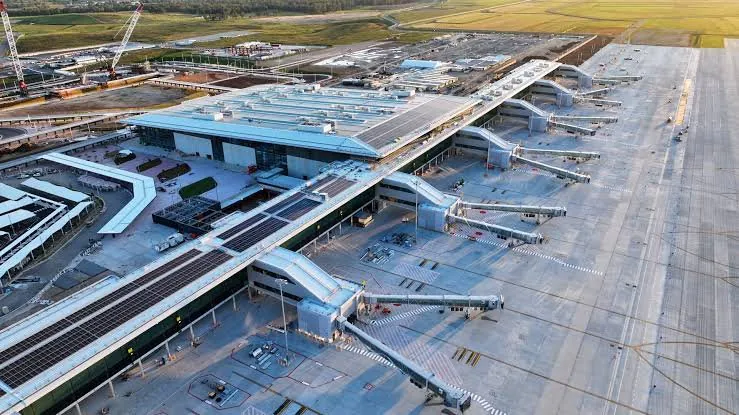
- Families living near the new Western Sydney International Airport are being driven out of their homes due to relentless noise pollution from overnight cargo flights.
- Despite promises from the federal government, noise insulation works have yet to be completed, leaving residents with just a few hours of sleep per night.
- Desperate families are inviting Prime Minister Anthony Albanese to spend a night in their homes to experience the unbearable noise firsthand.
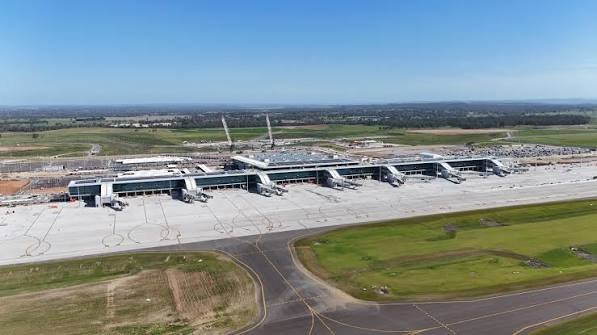
- The airport’s first passenger flight is scheduled for October 25, sparking fears that the noise will only get worse.
The opening of the Western Sydney International Airport has brought nothing but misery to families living in its shadow. Despite promises from the federal government to mitigate the noise, residents are being forced to endure sleepless nights and disrupted lives.
For Carolyn and Katherine Wong, the situation has become unbearable.
The mother-daughter duo has lived in their Luddenham home for 70 years, but the constant din of planes taking off and landing has made it impossible for them to get a good night’s sleep.
“I grew up here. My parents built the place in the early 50s,” Carolyn said, her voice laced with sadness.
“It’s very, very sad for us to have to leave.” Katherine, a project manager, is struggling to cope with the lack of sleep. “It has been absolutely horrible.


I’ve not been able to sleep a full night in my own bed,” she said. “I’m tired and cranky all the time.
I’m not making that trip down the coast because I don’t feel like I can do the drive safely.”
According to a WSI spokesperson, the airport has supported an average of 11 aircraft, or 22 take-offs and landings, four nights a week between 8pm and 5:30am.
But for residents like Barry Garousse, who lives less than 1.5km from the runway, the numbers are irrelevant. “We’re involved in refrigerated transport, and I drive semi-trailers, which we gotta comply with fatigue laws.
At the moment, I don’t comply with fatigue laws,” he said. His 12-year-old daughter Sophie is also struggling, falling asleep in class due to lack of rest at home.
The federal government announced a free noise insulation program for eligible homes in 2023, but so far, not a single home in the suburbs surrounding the airport has been completed.
The Department of Infrastructure and Transport has received 129 applications, with only 74 approved, and just 17 undergoing “acoustic assessments.” For families like the Garousses, the wait is too long.
“The government will go and open the airport and then worry about fixing everyone else later,” Barry said.
“But if you want to build a new home and get an occupation certificate, you’ve got to meet all the requirements before you allow them to move in.”
Analysis: What This Means for Australia
The Western Sydney Airport debacle raises serious questions about the government’s priorities and its commitment to protecting the wellbeing of its citizens. The failure to deliver on promised noise mitigation works has left families feeling abandoned and ignored.
As the airport prepares to welcome its first passenger flight, the situation is likely to worsen, with more flights and more noise pollution on the horizon.
This is not just a local issue; it has national implications for Australia’s aviation industry and the country’s reputation as a desirable place to live.
Security analysts say that the government’s handling of the situation has been woefully inadequate. “The lack of planning and foresight is staggering,” said one expert.
“The government needs to take responsibility for its actions and provide adequate support to affected families.” Law enforcement insiders warn that the situation could have serious consequences for public safety, with fatigued drivers like Barry Garousse posing a risk to themselves and others on the road.
Industry observers believe that the government’s priorities are skewed, with the airport’s opening taking precedence over the needs of local residents. “It’s a classic case of putting the cart before the horse,” said one observer.
“The government needs to get its priorities straight and put the needs of its citizens first.” As the situation continues to unfold, one thing is clear: the Western Sydney Airport nightmare is far from over.