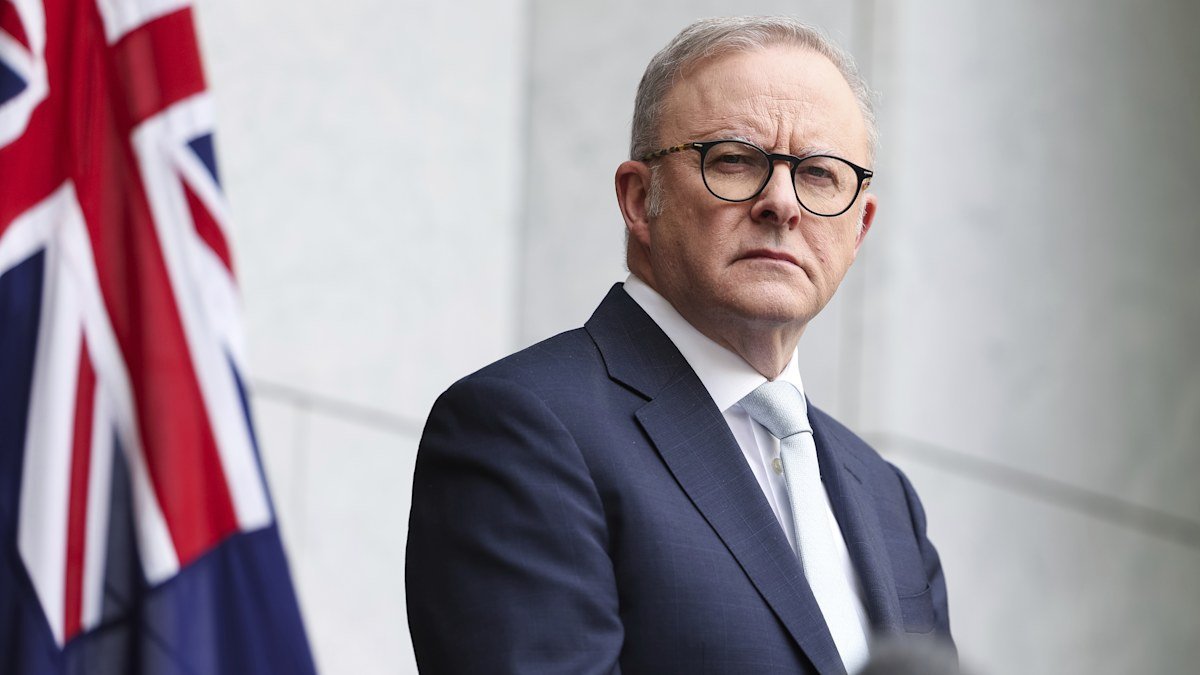
Government Moves to Crack Down on Toxic Online Content: Australians May Soon Opt Out of Social Media Algorithms
- Australians could soon have the power to opt out of social media algorithms under new digital laws aimed at curbing the spread of violent and misogynistic content online.
- The federal government is also considering a ban on pornography depicting strangulation or suffocation, following a recent $US18billion settlement between Meta and US governments.
- Experts warn that current algorithms are “wrecking our young boys” by feeding them violent misogynistic content, with an average of 23 minutes passing before users are exposed.
- A new Domestic, Family and Sexual Violence Advisory Council will advise the government on implementing its national action plan, with 14 experts appointed to the council on Sunday.
The Australian government is taking steps to tackle the spread of toxic online content, with plans to introduce new digital laws that would give users the power to opt out of social media algorithms.
The move comes as part of a broader effort to curb the spread of violent and misogynistic content online, which has been linked to a range of negative outcomes, including the normalization of violent behavior and the erosion of healthy relationships.
According to Social Services Minister Tanya Plibersek, the average user is fed misogynistic content within just 23 minutes of going online, a statistic that has sparked concerns about the impact of social media on young people.
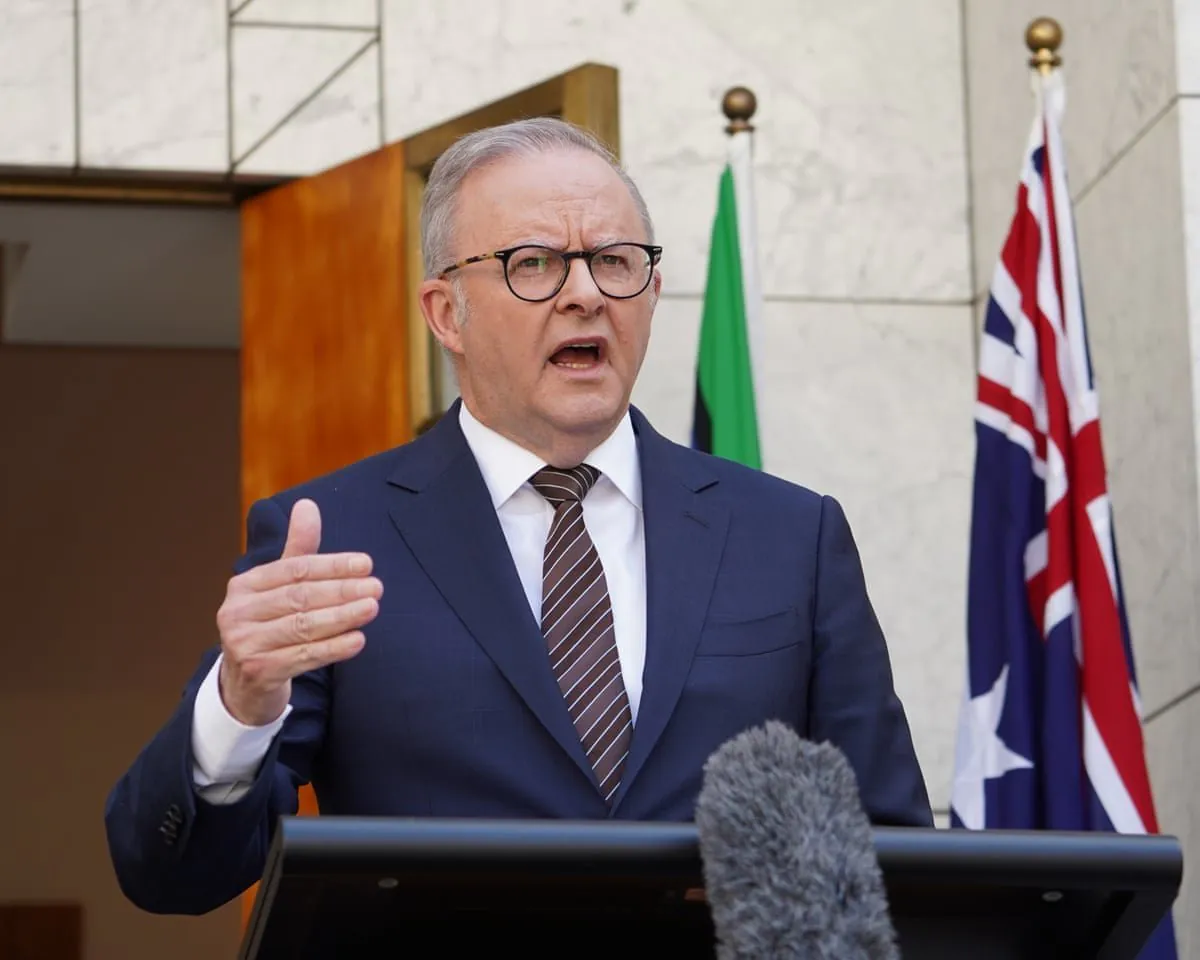
“That is a deliberate decision of the social media companies that is wrecking our young boys, giving them all of the wrong ideas about what healthy relationships look like,” Ms Plibersek said.
The government is also considering a ban on pornography depicting strangulation or suffocation, following a recent $US18billion settlement between Meta and US governments.

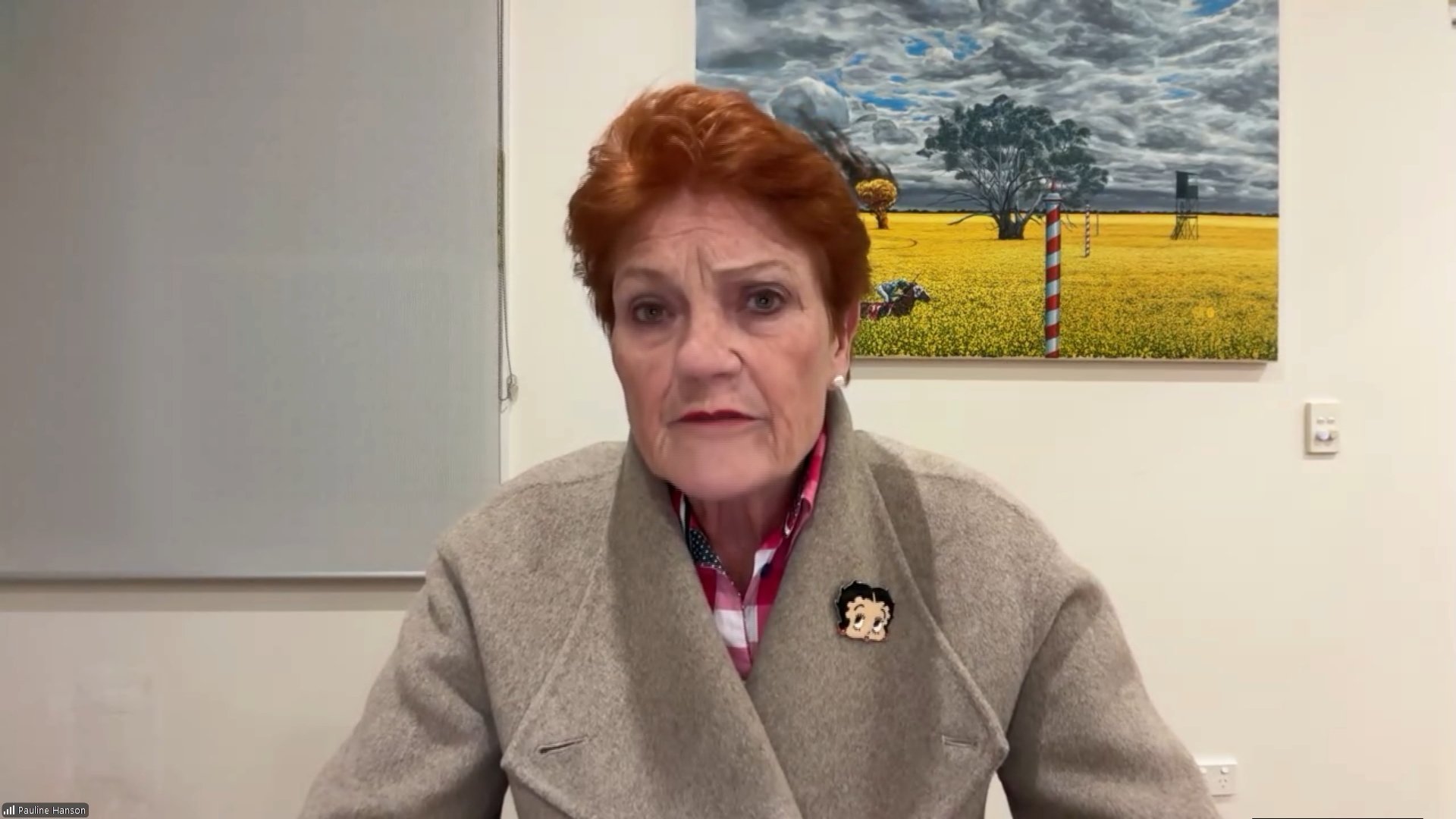


The settlement includes additional safety features for children on social media, and Ms Plibersek said the government was looking closely at the implications of the agreement.
NSW Liberal leader Kellie Sloane has written to Prime Minister Anthony Albanese calling for a UK-style ban to be introduced, citing the need to protect young people from the dangers of violent pornography.
The issue has taken on renewed urgency in the wake of a recent incident in which a 16-year-old NSW girl was found dead, reportedly linked to a sexual choking.
The tragedy has sparked calls for greater action to be taken to prevent violence against women and children, with Ms Plibersek saying that the government was committed to doing more.
“These are all really important considerations as we develop our next action plan on family, domestic and sexual violence, and that work’s going on right now,” she said.
As part of its efforts to tackle online harm, the government is also developing a digital duty of care bill that would force tech companies to proactively prevent online harms, rather than just requiring them to act on complaints.
The bill is expected to include measures to improve safety features for children on social media, as well as greater transparency around algorithmic decision-making.
Analysis: What This Means for Australia
The government’s plans to introduce new digital laws and ban violent pornography are a significant step forward in the fight against online harm. However, experts warn that the measures will need to be carefully implemented in order to be effective.
“What would be terrific is if we saw some of those features that have been forced on the tech companies overseas to be more broadly adopted globally,” Ms Plibersek said.
Security analysts say that the move to give users the power to opt out of social media algorithms is a positive step, but warn that it will require significant investment in education and awareness-raising campaigns.
“People need to understand the implications of opting out of algorithms and how it will affect their online experience,” one analyst said.
Law enforcement insiders also welcome the move to ban violent pornography, but caution that it will be difficult to enforce.
“We need to make sure that we have the resources and the expertise to effectively police online content and prevent the spread of violent material,” one insider said.
Industry observers believe that the government’s plans will have significant implications for the tech industry, which will be required to adapt to new regulations and safety features.
“This is a major shift in the way that tech companies operate, and it will require significant investment and resources to comply with the new laws,” one observer said.
Ultimately, the success of the government’s plans will depend on its ability to balance the need to protect users from online harm with the need to preserve freedom of expression and innovation.
As Ms Plibersek said, “Putting the voices of expert advisors at the heart of our decision-making is essential if we are to end family, domestic and sexual violence for good.”