One Nation’s Shocking Upset: Pauline Hanson’s Party Wins Historic First Seat in Western Australia, Leaving Labor Reeling
- One Nation candidate Luke Herdegen defeats Labor’s Georgia Tree in the Secret Harbour by-election, securing 57.04% of the two-candidate-preferred vote.
- Labor’s primary vote crashes to 24%, down from 46% in the 2025 WA state election, as One Nation records a primary of 39%, up 30% from 2025.
- The Liberal Party’s primary vote plummets to 17%, down 7% from 2025, as One Nation leader Pauline Hanson declares her party the only one capable of challenging Labor in key areas.
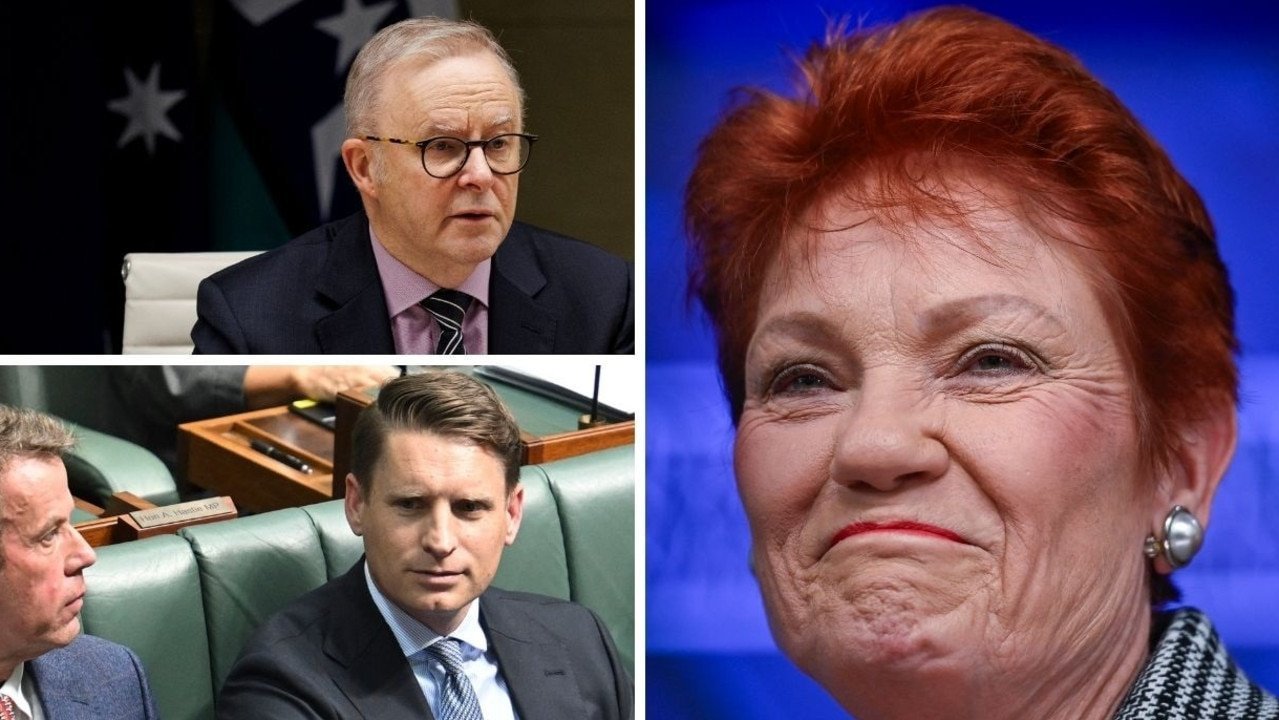
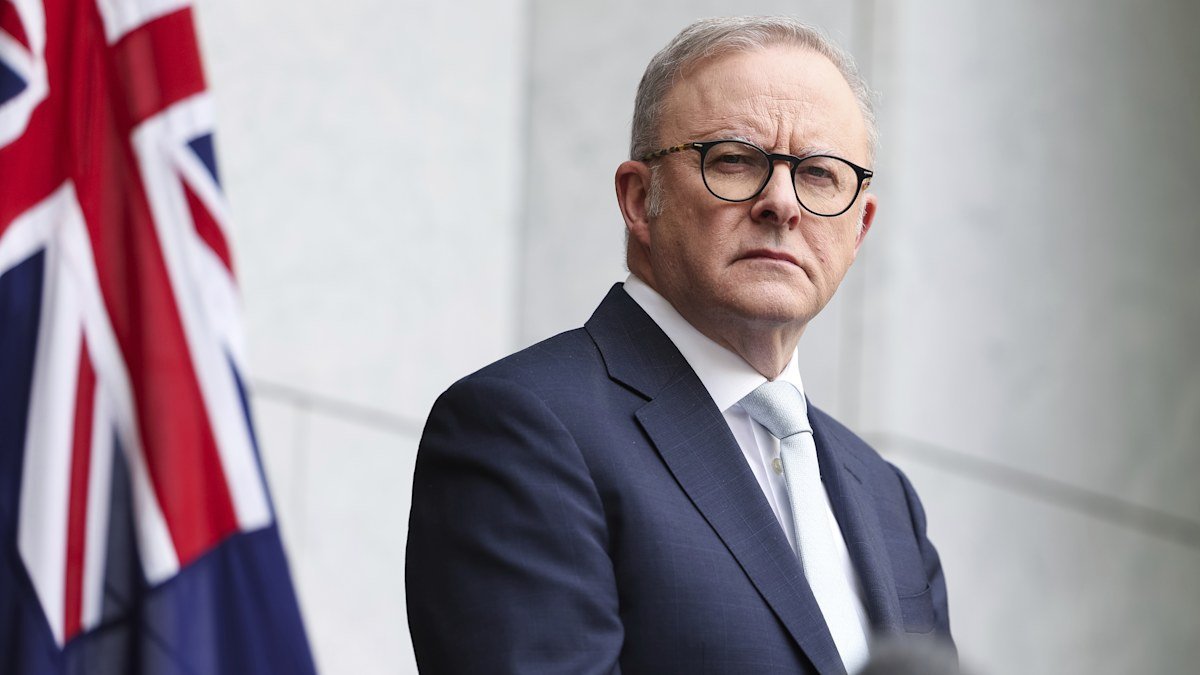
- The result sends shockwaves through Labor, with Prime Minister Anthony Albanese’s absence from the campaign trail and Tree’s controversies over her living arrangements and past work for oil and gas giant Woodside coming under scrutiny.
The people of Western Australia have spoken, and their message is clear: One Nation is a force to be reckoned with.
In a historic upset, the party has secured its first lower house seat in the state, with candidate Luke Herdegen defeating Labor’s Georgia Tree in the Secret Harbour by-election.
As the dust settles, the implications are stark: Labor’s grip on Western Australia is loosening, and One Nation is ready to pounce. The numbers are telling.
One Nation’s primary vote has surged to 39%, a staggering 30% increase from the 2025 election. Meanwhile, Labor’s primary vote has crashed to 24%, a devastating 22% drop from 2025.
The Liberal Party, once the dominant force in Western Australian politics, has seen its primary vote plummet to 17%, down 7% from 2025. It’s a seismic shift in the state’s political landscape, and One Nation is at the epicenter.



But what’s behind this sudden surge in support for Pauline Hanson’s party? The answer lies in the party’s ability to tap into the frustrations of everyday Australians.
One Nation has long been a thorn in the side of the major parties, but its latest victory suggests it’s more than just a protest vote.
It’s a movement, driven by a desire for change and a rejection of the status quo.
Analysis: What This Means for AustraliaThe implications of One Nation’s victory are far-reaching.
For Labor, it’s a wake-up call. The party’s failure to connect with voters in Western Australia, a state it once considered a stronghold, is a worrying sign.
Prime Minister Anthony Albanese’s absence from the campaign trail, coupled with Tree’s controversies, has raised questions about the party’s strategy and its ability to adapt to changing voter sentiment.
For the Liberal Party, it’s a stark reminder that it’s no longer the dominant force it once was.
The party’s primary vote has been in decline for years, and its failure to challenge Labor in key areas has created an opening for One Nation to exploit.
But what does this mean for Australia as a whole? The answer is simple: the two-party system is under threat.
One Nation’s victory in Western Australia is a sign that voters are increasingly looking beyond the major parties for answers. It’s a trend that’s been building for years, driven by growing disillusionment with politics and a desire for change.
As One Nation MP Barnaby Joyce noted on News24’s Sunday Agenda, “Politics has changed, and I think one of the takeaways from that is our actual poll is always higher than our online polls.” It’s a warning to the major parties: underestimate One Nation at your peril.
Security analysts say the rise of One Nation poses a significant challenge to the major parties, particularly Labor. “One Nation’s ability to tap into voter frustration and discontent is a major concern for Labor,” says one analyst.
“If the party can’t adapt to changing voter sentiment, it risks being left behind.”
Law enforcement insiders warn that One Nation’s victory could also have implications for community safety.
“One Nation’s tough-on-crime stance may resonate with voters, but it’s a simplistic solution to complex problems,” says one insider.
“The party needs to demonstrate a more nuanced approach to law and order if it’s to be taken seriously.”
Industry observers believe One Nation’s victory could also have economic implications.
“One Nation’s protectionist policies may appeal to voters, but they’re a recipe for economic disaster,” says one observer.
“The party needs to demonstrate a more sophisticated understanding of economics if it’s to be taken seriously.”
As the dust settles on One Nation’s historic victory, one thing is clear: the party is here to stay.
But what does the future hold? Only time will tell.
The people of Western Australia have spoken, and their message is clear: One Nation is a force to be reckoned with. In a historic upset, the party has secured its first lower house seat in the state, with candidate Luke Herdegen defeating Labor’s Georgia Tree in the Secret Harbour by-election. As the dust settles, the implications are stark: Labor’s grip on Western Australia is loosening, and One Nation is ready to pounce.
The numbers are telling. One Nation’s primary vote has surged to 39%, a staggering 30% increase from the 2025 election. Meanwhile, Labor’s primary vote has crashed to 24%, a devastating 22% drop from 2025. The Liberal Party, once the dominant force in Western Australian politics, has seen its primary vote plummet to 17%, down 7% from 2025. It’s a seismic shift in the state’s political landscape, and One Nation is at the epicenter.
But what’s behind this sudden surge in support for Pauline Hanson’s party? The answer lies in the party’s ability to tap into the frustrations of everyday Australians. One Nation has long been a thorn in the side of the major parties, but its latest victory suggests it’s more than just a protest vote. It’s a movement, driven by a desire for change and a rejection of the status quo.
The implications of One Nation’s victory are far-reaching. For Labor, it’s a wake-up call. The party’s failure to connect with voters in Western Australia, a state it once considered a stronghold, is a worrying sign. Prime Minister Anthony Albanese’s absence from the campaign trail, coupled with Tree’s controversies, has raised questions about the party’s strategy and its ability to adapt to changing voter sentiment.
For the Liberal Party, it’s a stark reminder that it’s no longer the dominant force it once was. The party’s primary vote has been in decline for years, and its failure to challenge Labor in key areas has created an opening for One Nation to exploit.
But what does this mean for Australia as a whole? The answer is simple: the two-party system is under threat. One Nation’s victory in Western Australia is a sign that voters are increasingly looking beyond the major parties for answers. It’s a trend that’s been building for years, driven by growing disillusionment with politics and a desire for change.
As One Nation MP Barnaby Joyce noted on News24’s Sunday Agenda, “Politics has changed, and I think one of the takeaways from that is our actual poll is always higher than our online polls.” It’s a warning to the major parties: underestimate One Nation at your peril.
Security analysts say the rise of One Nation poses a significant challenge to the major parties, particularly Labor. “One Nation’s ability to tap into voter frustration and discontent is a major concern for Labor,” says one analyst. “If the party can’t adapt to changing voter sentiment, it risks being left behind.”
Law enforcement insiders warn that One Nation’s victory could also have implications for community safety. “One Nation’s tough-on-crime stance may resonate with voters, but it’s a simplistic solution to complex problems,” says one insider. “The party needs to demonstrate a more nuanced approach to law and order if it’s to be taken seriously.”
Industry observers believe One Nation’s victory could also have economic implications. “One Nation’s protectionist policies may appeal to voters, but they’re a recipe for economic disaster,” says one observer. “The party needs to demonstrate a more sophisticated understanding of economics if it’s to be taken seriously.”
As the dust settles on One Nation’s historic victory, one thing is clear: the party is here to stay. But what does the future hold? Only time will tell.