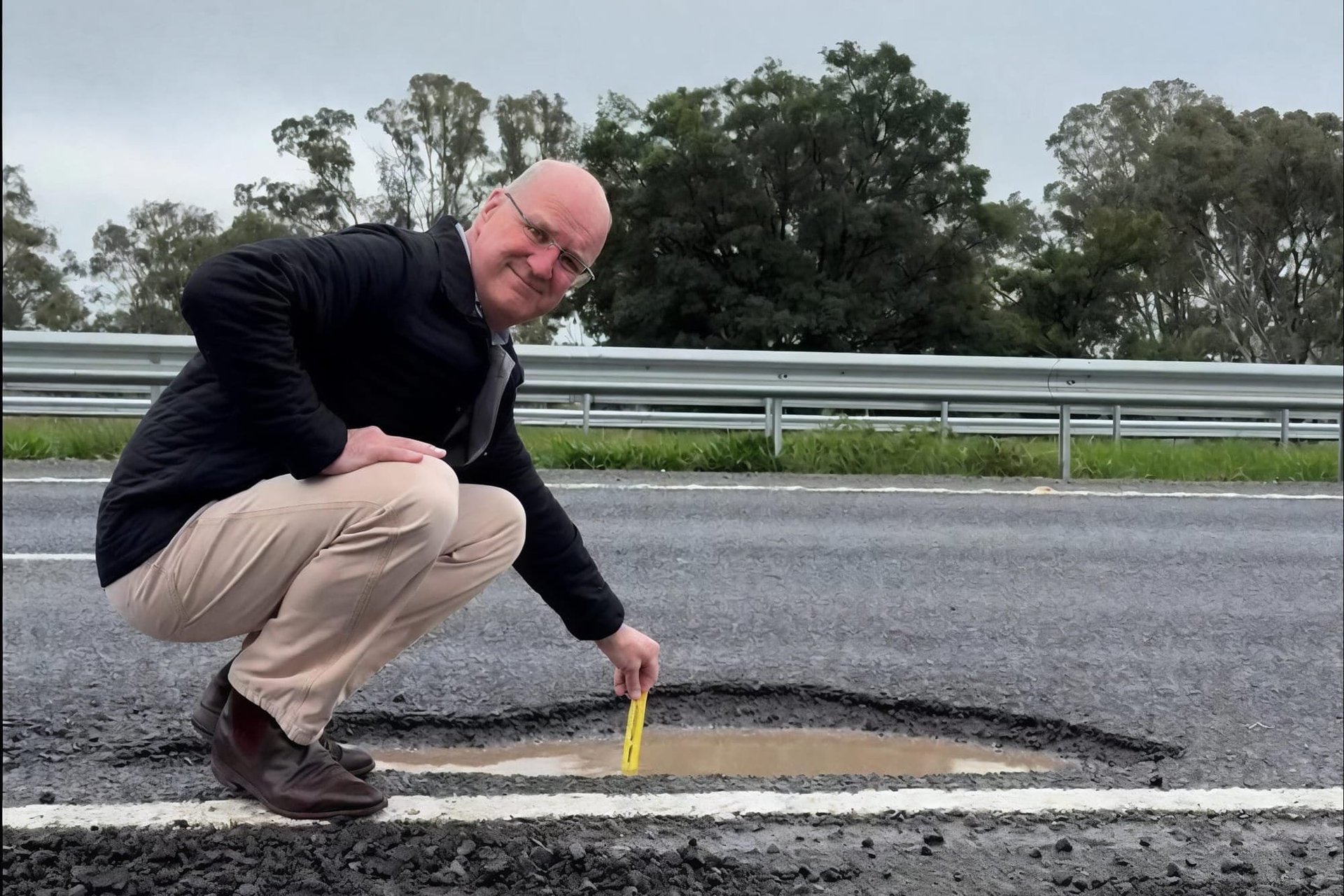
Pothole Pandemonium: Victoria’s $352 Million Road Repair Blitz – But Will It Be Enough to Save the State’s Crumbling Infrastructure?
- Victoria’s roads are on the brink of collapse, with 500,000 potholes set to be fixed this year in a $352 million repair blitz
- Regional Victorians are bearing the brunt of the crisis, with some forced to spend their registration rebates on fixing tyre damage
- The government’s plan has been labelled a “con job” by the opposition, who claim it’s too little, too late
- Will the repair blitz be enough to save the state’s crumbling infrastructure, or is it just a Band-Aid solution?
The Victorian government’s promise to fix 500,000 potholes in the state’s roads this year has been met with a mix of relief and skepticism.
The plan, which will cost $352 million, is a significant increase on the 250,000 potholes previously committed to, but some are questioning whether it’s enough to tackle the scale of the problem.
For regional Victorians, the issue is more than just a nuisance – it’s a serious safety concern. Dozens of cars were recently forced off the road after hitting large potholes on the Princes Freeway at Bunyip, highlighting the need for urgent action.
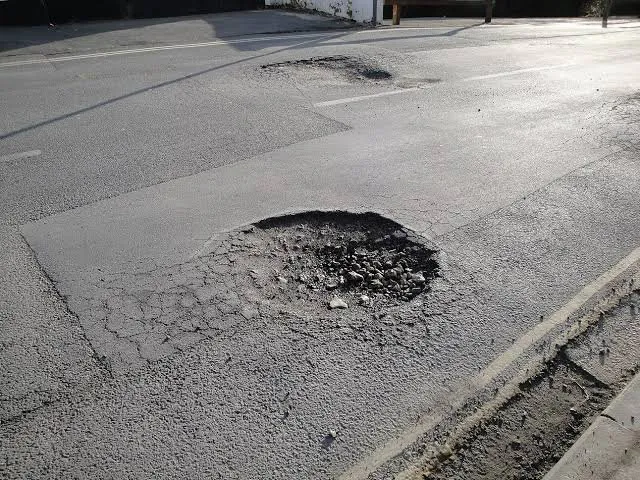
The government’s decision to delay the completion of three level crossing removals to fund the extra pothole repairs has been seen as a pragmatic move, but it’s also raised questions about the state’s priorities.
Premier Ben Carroll has defended the decision, saying it’s a matter of allocating resources where they’re needed most. “This is absolutely where Victorians want to see their money spent – it is my priority,” he said.


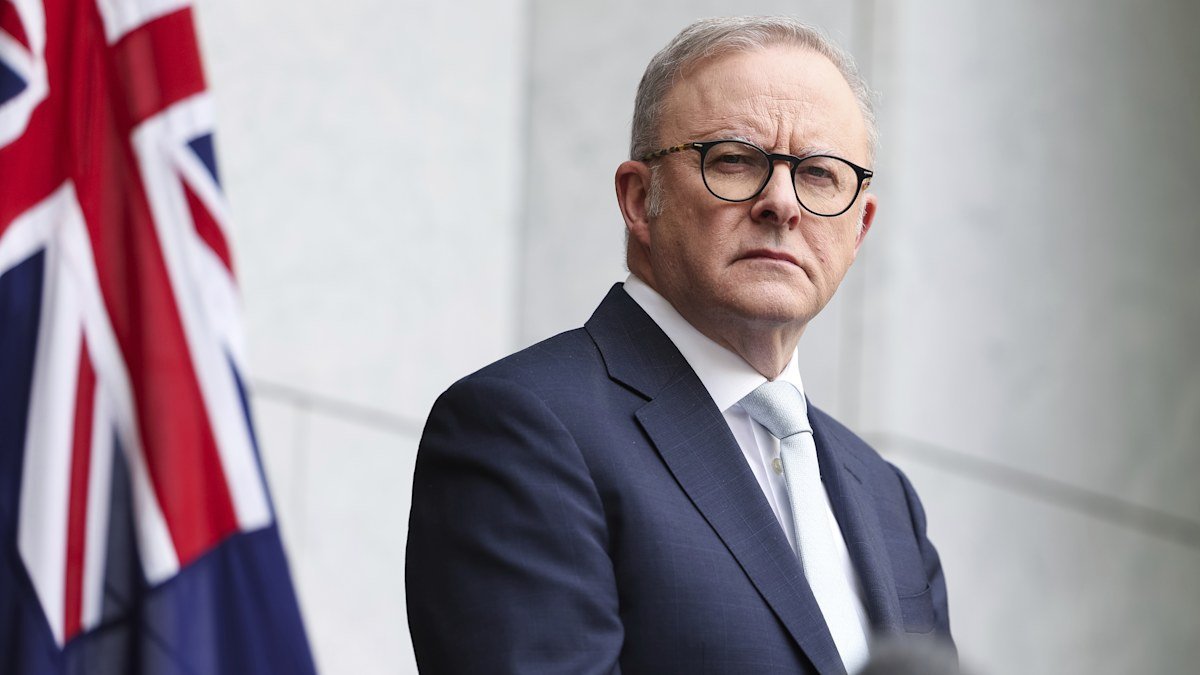

“The condition of our roads is not good enough. I respect your money and I have made commonsense decisions to show how we can afford it.”
But the opposition is not convinced. Shadow Roads Minister Danny O’Brien has labelled the announcement a “con job”, pointing out that the government has a history of neglecting road maintenance.
“Ben Carroll was Roads minister when $214 million was cut from road maintenance over two years,” he said. “Now on the eve of an election, he expects Victorians to believe he will fix the roads, after 12 years of ignoring them?
Labor has never fixed more than 200,000 potholes in a year and now wants us to believe they’ll fix half a million in six months?
Spare me.”
So, what’s behind the sudden urgency to fix the state’s roads? The answer lies in the numbers.
With over 1,000 km of roads in need of repair, the problem is not just a matter of potholes – it’s a question of safety. According to the Victorian government’s own data, there were over 10,000 reported incidents of pothole-related damage to vehicles last year alone.
That’s a staggering number, and one that’s likely to only increase if the problem is not addressed.
Analysis: What This Means for Australia
The Victorian government’s pothole repair blitz may seem like a local issue, but it has broader implications for the country as a whole.
With the federal government’s infrastructure budget under scrutiny, the state’s decision to prioritize road maintenance sends a strong message about the need for investment in the sector.
As the population grows and urbanization increases, the pressure on our roads will only intensify.
It’s a wake-up call for policymakers to take a closer look at the state of our infrastructure and start making some tough decisions about where to allocate resources.
Security analysts say the state of Victoria’s roads is not just a matter of convenience – it’s a national security issue. “The condition of our roads has a direct impact on our ability to respond to emergencies and transport goods,” said one expert.
“If our roads are in disrepair, it’s not just a matter of potholes – it’s a matter of national security.”
Law enforcement insiders warn that the pothole crisis is also having a significant impact on regional communities. “We’re seeing a rise in vehicle damage and accidents on our regional roads,” said one officer.
“It’s not just a matter of inconvenience – it’s a matter of safety. We need to take a closer look at how we’re allocating resources to address this issue.”
Industry observers believe the government’s decision to delay the level crossing removals is a pragmatic move, but it’s also a sign of the tough decisions that need to be made.
“The government is facing a difficult choice between competing priorities,” said one analyst. “But the reality is that our roads are in crisis, and something needs to be done.
This is a step in the right direction, but it’s just the beginning.”