
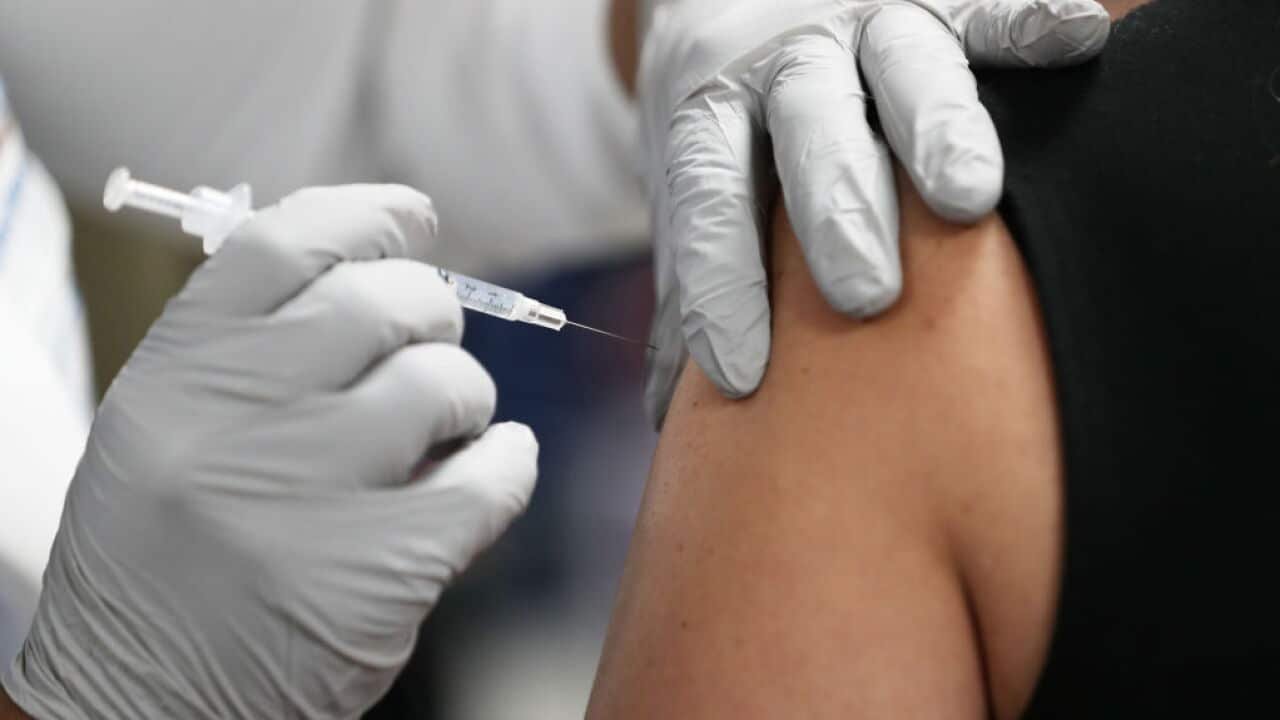
Australia’s COVID-19 Vaccine Program Set To Undergo Major Overhaul: What This Means For You And The Nation’s Health Security
- Australians will no longer have access to free COVID-19 vaccines from October 1, with only high-risk groups eligible for the jab at no cost
- The move is expected to lead to a decline in vaccination rates, with cost barriers potentially deterring some individuals from getting vaccinated
- Experts warn that a decrease in vaccination rates could lead to an increase in COVID-19 cases, with the true number of infections likely to be much higher than reported
- The change in the vaccine program reflects a shift from an emergency pandemic response to a long-term, routine program focused on protecting high-risk groups
The COVID-19 vaccine program in Australia is on the cusp of a significant transformation, one that will have far-reaching implications for the nation’s health security.
From October 1, the vaccine will no longer be available for free to all Australians, with only those at high risk of severe COVID-19 disease eligible to receive the jab at no cost.
This change marks a major shift in the government’s approach to COVID-19 vaccination, from a broad, emergency pandemic response to a more targeted, long-term program.
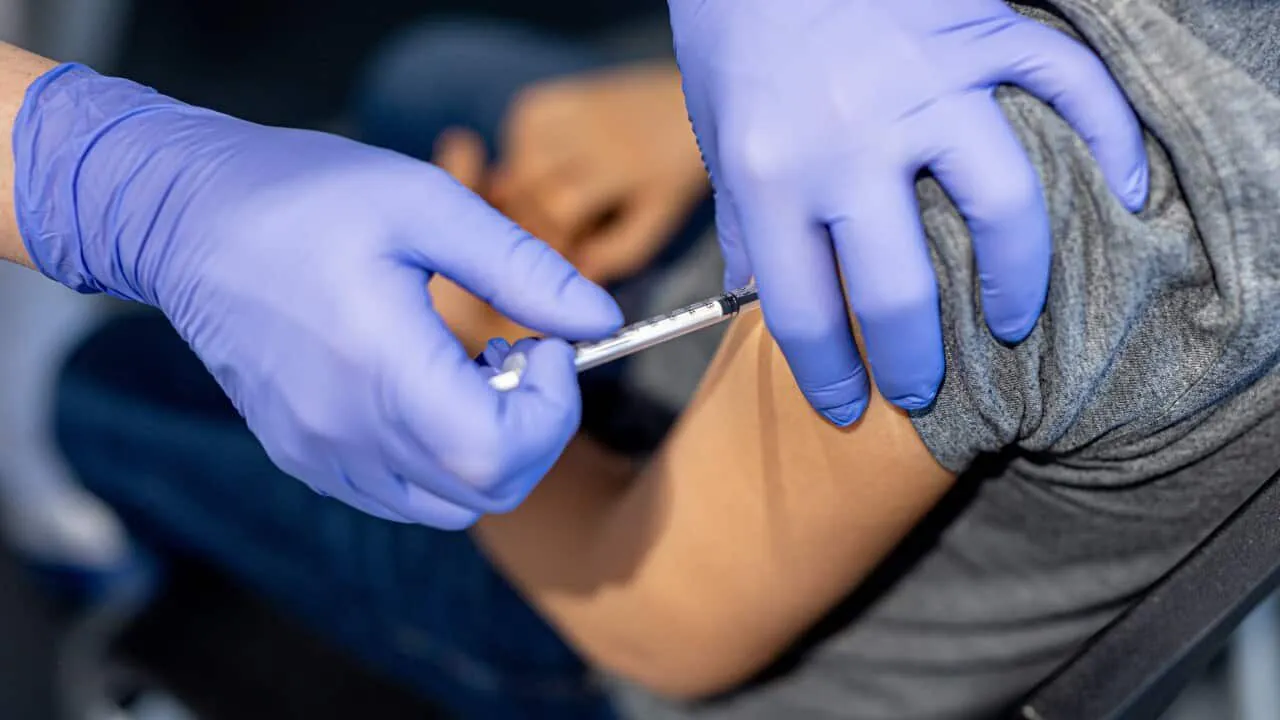
The core of this new approach is the National Immunisation Program (NIP), which will now include COVID-19 vaccines alongside other vital vaccinations, such as those for respiratory syncytial virus (RSV) and influenza.
This move is designed to protect high-risk groups, including the elderly and those with underlying health conditions, who are most vulnerable to severe illness and death from COVID-19.

According to Jodie McVernon, director of epidemiology at the Doherty Institute, including COVID-19 vaccines in the NIP will help increase coverage by raising awareness and making vaccination a normal, regular seasonal event.
However, the introduction of a fee for COVID-19 vaccines is likely to have significant consequences for vaccination rates.
Australians typically pay between $25 and $35 for their annual flu jab, but the cost of the COVID-19 vaccine is expected to be “significantly more,” according to Julianna Neill, Pharmaceutical Society of Australia vaccination ambassador and community pharmacist.
This cost barrier may deter some individuals from getting vaccinated, particularly those who are not considered high-risk.
As Professor McVernon notes, the main burden of disease for COVID-19 is in the over-75s, yet less than 40% of people in this age group receive the COVID-19 vaccine.
Analysis: What This Means for Australia
The implications of this change are far-reaching, with potential consequences for national health security, law enforcement, and community safety.
Security analysts say that a decline in vaccination rates could lead to an increase in COVID-19 cases, which in turn could put a strain on the healthcare system and lead to more severe illness and death.
Law enforcement insiders warn that the introduction of a fee for COVID-19 vaccines could also lead to a black market for vaccines, with individuals seeking to exploit vulnerable members of the community.
Industry observers believe that the change in the vaccine program will also have economic consequences, with the cost of vaccines potentially deterring individuals from seeking vaccination and leading to lost productivity and economic growth.
Expert commentary suggests that the key to mitigating these consequences is to focus on vaccination rates in high-risk groups.
According to Professor McVernon, successive waves of COVID-19 have led to a decline in hospitalizations and deaths over time, as the population becomes more immune through repeated exposure and vaccination.
However, the true number of COVID-19 cases is likely to be much higher than reported, with many cases going unreported.
As Rod Pearce, Immunisation Coalition chairman, notes, if fewer people are vaccinated and more SARS-CoV-2 is circulating, there may be more COVID-19 cases, which could have significant implications for public health and safety.
In light of these changes, it is essential for Australians to take proactive steps to protect themselves and their communities. This includes getting vaccinated, practicing good hygiene, such as washing hands frequently and wearing a mask if unwell, and staying home if sick.
By taking these steps, individuals can help limit the transmission of COVID-19 and protect themselves against long COVID. As Dr.
Pearce notes, getting vaccinated can still help protect individuals against long COVID and limit transmission of the virus, even if they are not in a high-risk group.
For more information on COVID-19 vaccines and how to access them, individuals can visit the Australian Government Department of Health website or consult with their GP or pharmacist.
Additionally, individuals can find and book a COVID-19 vaccine online through the Australian Government Department of Health website. By taking a proactive and informed approach to COVID-19 vaccination, Australians can help protect themselves, their communities, and the nation’s health security.