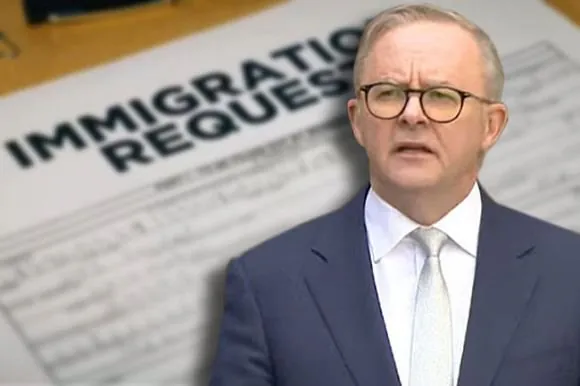
Australia Cracks Down On Migration: International Students Face Tough New Rules As Government Seeks To Regain Control Over Visa System
- International students will be banned from bringing family members to Australia and face restrictions on switching between visas as part of a major government overhaul
- The changes aim to reduce net overseas migration from 292,100 to 245,000 by 2026/27, with further cuts to 225,000 per year thereafter
- Tourists will be prevented from extending their stays in Australia, while working holiday maker visas will be subject to a ballot system and additional regional work requirements
- The government has vowed to crack down on rogue migration agents and strengthen compliance measures to force people without valid visas to leave the country
The Australian government has unveiled a sweeping set of changes to the migration system, targeting international students, tourists, and working holiday makers in a bid to regain control over the visa process.
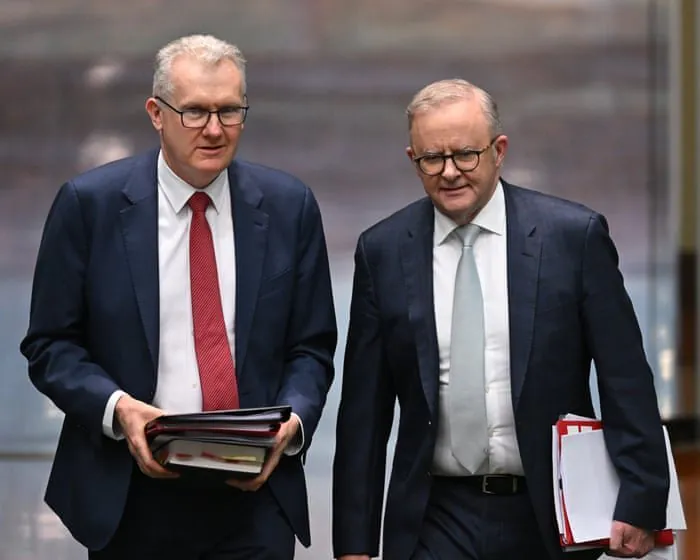
Immigration Minister Tony Burke announced the reforms, which include restrictions on student visa hopping and the introduction of a “no further stay” condition on visitor visas.
The move is designed to reduce net overseas migration and ensure that the system is better targeted to the country’s current needs.
At the heart of the changes is a desire to prevent abuse of the system and ensure that only those who make a genuine contribution to Australia are allowed to stay.
The government has made it clear that it will not tolerate people who seek to rort or defraud the system, and has introduced measures to strengthen compliance and enforce visa conditions.




This includes giving the department greater powers to cancel visas for migrants involved in serious crimes, such as those targeting children, domestic violence, and hate crimes.
The skilled migration program will also be tweaked to prioritise applicants in key sectors such as healthcare, construction, and education. This move is designed to address labour shortages in these areas and ensure that Australia has the skills it needs to drive economic growth.
The changes will also impact working holiday makers, with the introduction of a ballot system for years two and three of their stay, as well as an additional regional work requirement.
The current freeze on processing working holiday visas will be lifted, with processing times stabilised at three months.
The government’s decision to crack down on migration comes after weeks of delay and speculation, and follows a failed attempt to introduce more comprehensive reforms. The opposition has been critical of the government’s handling of migration, with Opposition Leader Angus Taylor accusing the government of losing control of the system.
However, the government is adamant that its approach is the right one, and that the changes will help to ensure that Australia’s migration system is fair, sustainable, and targeted to the country’s needs.
The changes to the migration system have significant implications for Australia’s economy and communities.
With the country’s population growing by 1.4 per cent in the 12 months to March, there are concerns about the impact of migration on housing, infrastructure, and public services.
The government’s decision to reduce net overseas migration is designed to alleviate some of these pressures, but it remains to be seen how effective the changes will be in practice.
One thing is certain, however: the government’s crackdown on migration is a major shift in policy, and one that will have far-reaching consequences for Australia.
Analysis: What This Means for Australia is that the country is taking a more nuanced approach to migration, one that balances the need for skilled workers with the need to protect the integrity of the system.
Security analysts say that the changes will help to reduce the risk of migration-related crime, while law enforcement insiders warn that the government must be vigilant in enforcing visa conditions and preventing abuse of the system.
Industry observers believe that the changes will have a significant impact on the economy, particularly in sectors that rely heavily on migrant labour.
As the government seeks to regain control over the visa system, it is clear that the stakes are high, and that the consequences of failure could be severe.
Expert commentary suggests that the government’s approach is a step in the right direction, but that more needs to be done to address the underlying issues driving migration.
According to some, the key to a successful migration system is not just about reducing numbers, but about ensuring that those who do come to Australia are able to integrate into the community and make a positive contribution.
This requires a more holistic approach, one that takes into account the social, economic, and cultural implications of migration.
As Australia navigates this complex and often contentious issue, it is clear that the government’s crackdown on migration is just the beginning of a long and difficult journey.
The government’s decision to give the department greater powers to cancel visas for migrants involved in serious crimes is a significant move, and one that reflects the need to protect the community from crime.
The introduction of a “no further stay” condition on visitor visas is also designed to prevent abuse of the system, and to ensure that tourists do not overstay their welcome.
As the government seeks to regain control over the visa system, it is clear that the use of technology will play a critical role, particularly in terms of monitoring and enforcing visa conditions.
Meanwhile, the role of Australian Bureau of Statistics will be crucial in providing data and insights to inform the government’s migration policy.