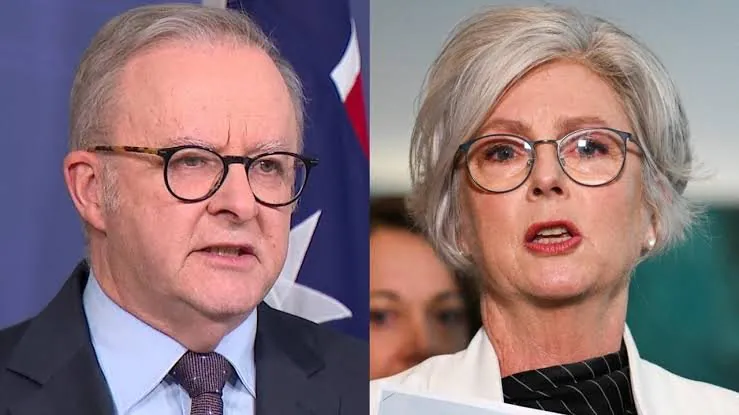
Prime Minister Anthony Albanese’s Office Embroiled In Dirty Politics Scandal As It Emerges His Team Circulated A Dirt Sheet Smearing Independent MP Helen Haines Just Weeks Before She Was Seriously Injured In An Alleged Attack
- A shocking dirt sheet circulated by Albanese’s office baselessly questioned Helen Haines’ integrity, sparking outrage and raising questions about the government’s contribution to the toxic political debate in Australia.
- The document, obtained by the Daily Mail, was sent to select parliamentary press gallery reporters about a month before Haines was seriously injured in an alleged attack outside her Wangaratta office, leaving her in a critical condition.
- Albanese’s team attempted to smear Haines by cataloguing her funding requests and asking if she had personal connections to recipients of Federal government funding, despite providing no proof of wrongdoing whatsoever.
- The incident has sparked a national conversation about the need to lower the political temperature and the importance of respecting politicians’ motives, with Albanese calling for a more nuanced and respectful debate.
The revelation that Albanese’s office circulated a dirt sheet smearing Independent MP Helen Haines just weeks before she was seriously injured in an alleged attack has sent shockwaves through the Australian political landscape.
The document, which was sent to select parliamentary press gallery reporters, baselessly questioned Haines’ integrity and sparked outrage over the government’s contribution to the toxic political debate in Australia.
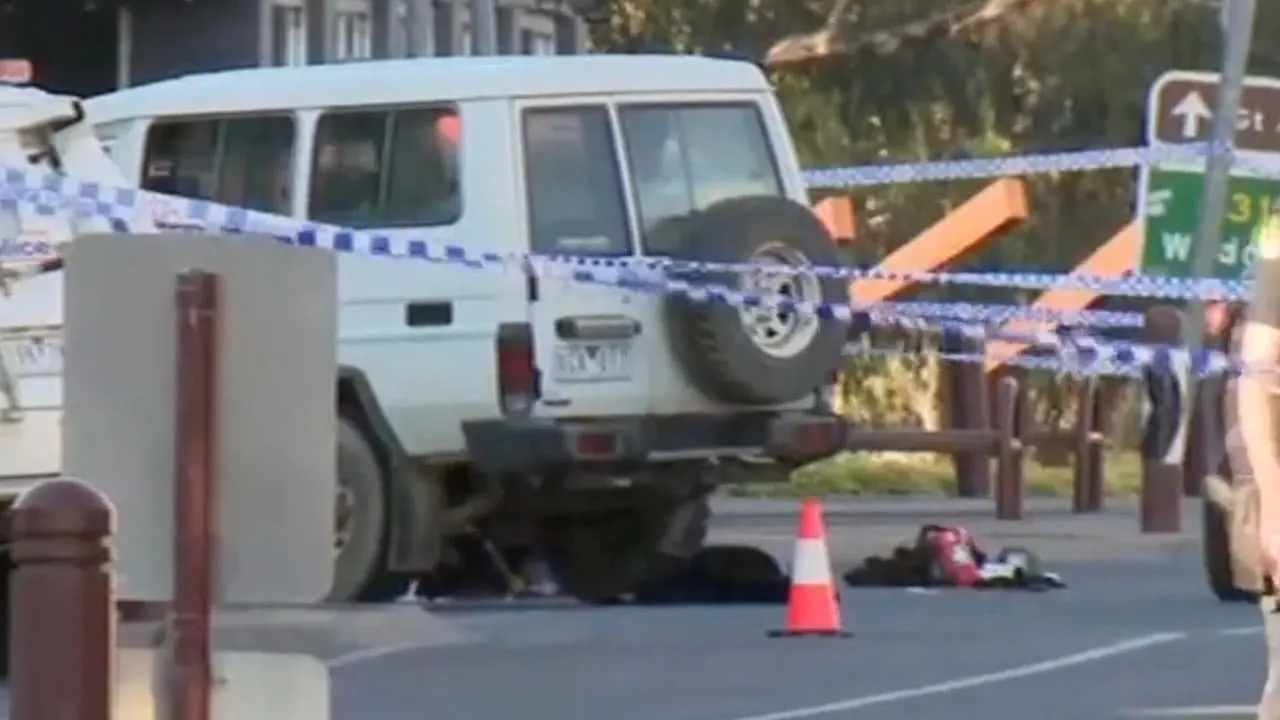
The incident occurred when Haines was airlifted to Melbourne’s The Alfred Hospital after Brendan Nugent, 43, allegedly rammed her against her car with his Toyota LandCruiser, reversed, and drove into her a second time.
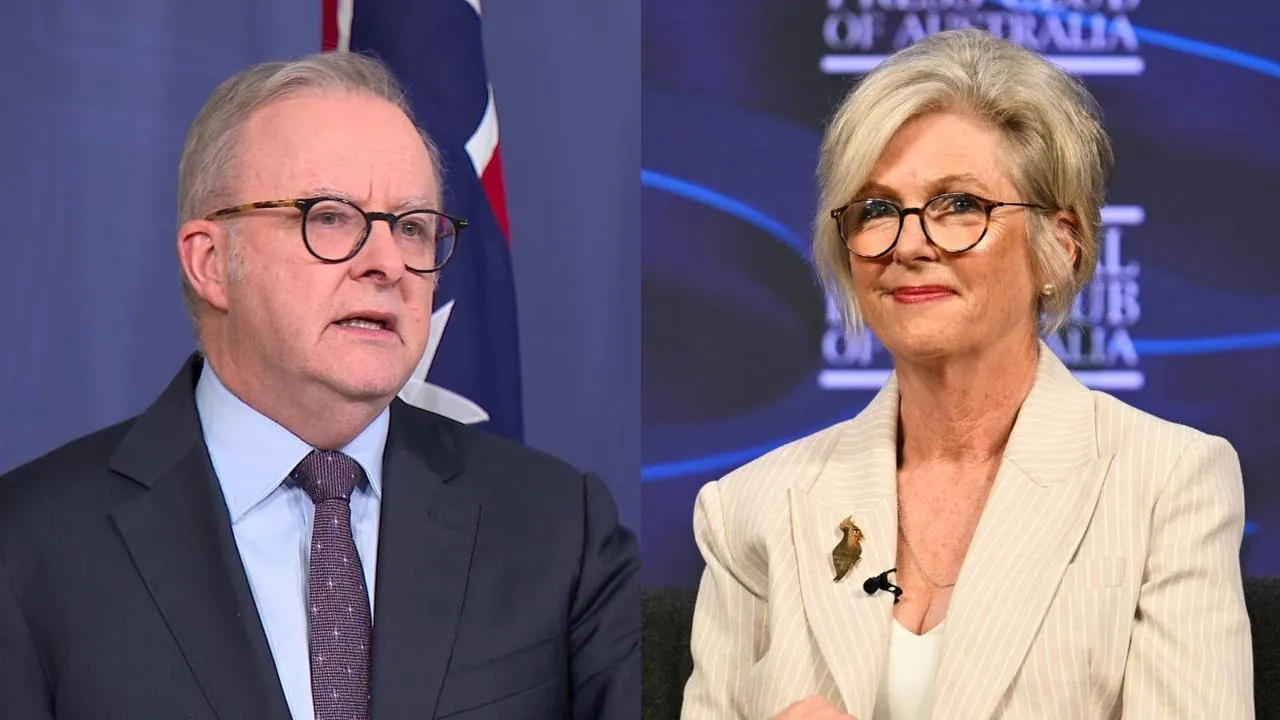
The attack has left Haines in a critical condition, and Albanese has since called for a lowering of the political temperature, praising Haines’ integrity and issuing a warning against unjustified attacks on politicians’ motives.
However, the circulation of the dirt sheet by Albanese’s office has raised questions about the government’s own role in perpetuating the toxic political debate.
The document, which was obtained by the Daily Mail, attempted to smear Haines by cataloguing her funding requests and asking if she had personal connections to recipients of Federal government funding.
Despite providing no proof of wrongdoing whatsoever, the document has been widely condemned as a dirty politics tactic.
The incident has sparked a national conversation about the need to lower the political temperature and the importance of respecting politicians’ motives. Albanese has called for a more nuanced and respectful debate, saying that political differences should be debated respectfully and without personal rancour.
However, the circulation of the dirt sheet by his office has undermined this message and raised questions about the government’s commitment to improving the tone of the political debate.
Security analysts say that the incident highlights the need for greater transparency and accountability in government, particularly when it comes to the use of taxpayer funds.
The fact that Albanese’s office circulated a dirt sheet smearing Haines without providing any evidence of wrongdoing has raised concerns about the government’s willingness to engage in dirty politics and undermine the integrity of the political process.
Law enforcement insiders warn that the incident could have serious consequences for the safety and security of politicians, particularly those who are outspoken about government corruption and wrongdoing.
The fact that Haines was seriously injured in an alleged attack just weeks after being smeared by Albanese’s office has raised concerns about the potential for violence and intimidation against politicians who speak out against the government.
Analysis: What This Means for Australia is that the country is facing a crisis of trust in its political institutions.
The circulation of the dirt sheet by Albanese’s office has undermined the integrity of the political process and raised questions about the government’s commitment to transparency and accountability.
The incident has also highlighted the need for greater protection and support for politicians who are targeted by dirty politics tactics, and for a more nuanced and respectful debate about the issues that matter to Australians.
Industry observers believe that the incident will have significant consequences for the government’s reputation and its ability to engage with the public.
The fact that Albanese’s office circulated a dirt sheet smearing Haines without providing any evidence of wrongdoing has raised concerns about the government’s willingness to engage in dirty politics and undermine the integrity of the political process.
As the country moves forward, it will be important to prioritize transparency, accountability, and respect for the political process, and to ensure that politicians are able to engage in a nuanced and respectful debate about the issues that matter to Australians.
Experts say that the incident highlights the need for a more nuanced understanding of the complex issues facing Australia, and for a more respectful and constructive debate about the solutions.
By prioritizing transparency, accountability, and respect for the political process, Australians can work together to build a more just and equitable society, and to ensure that the country’s political institutions are worthy of the trust and confidence of the people.
The incident has also sparked a conversation about the importance of political reform and the need for greater transparency and accountability in government, particularly when it comes to the use of taxpayer funds.
As the country moves forward, it will be important to consider the potential consequences of the incident for the safety and security of politicians, and for the integrity of the political process.
By learning from this incident and working together to build a more just and equitable society, Australians can ensure that the country’s political institutions are worthy of the trust and confidence of the people, and that politicians are able to engage in a nuanced and respectful debate about the issues that matter to Australians, including climate change, economic inequality, and social justice.
In the wake of the incident, Albanese’s office has been contacted for comment, but the Prime Minister has yet to address the controversy surrounding the circulation of the dirt sheet.
As the country waits for a response, one thing is clear: the incident has highlighted the need for greater transparency, accountability, and respect for the political process, and for a more nuanced and respectful debate about the issues that matter to Australians.
For more information on this topic, please visit the website of the Australian Electoral Commission.