
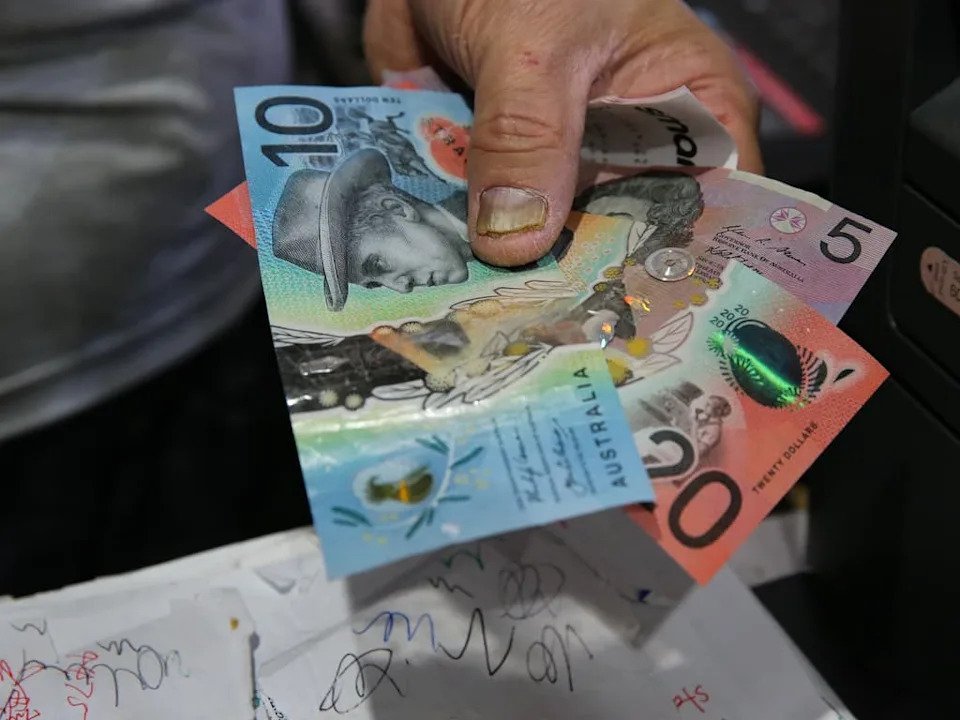
‘Don’t Turn Away a $50 Note’: Coalition Declares War on Cashless Creep With Explosive Cash Is King Bill Forcing Chemists, Bunnings, Fast-Food Giants and Government Offices to Take Your Money
- Around 1.5 million Australians depend on notes and coins for most of their purchases, yet many are being turned away at chemists, hardware stores and fast-food counters.
- The Opposition’s proposed law would lift the cash cap from $500 to $2,000 and scrap the 7am to 9pm window entirely.
- Commonwealth agencies would be legally required to accept cash over the counter for eligible payments.
- Advocates warn that some KFC outlets are already refusing cash, saying the ‘big end of town’ must be brought into line.
Picture it. A pensioner walks into a pharmacy, a crisp $50 note in hand, needing her blood pressure tablets.
And she is told her money is no good here.
For a growing number of Australians, that is not a hypothetical. It is Tuesday.
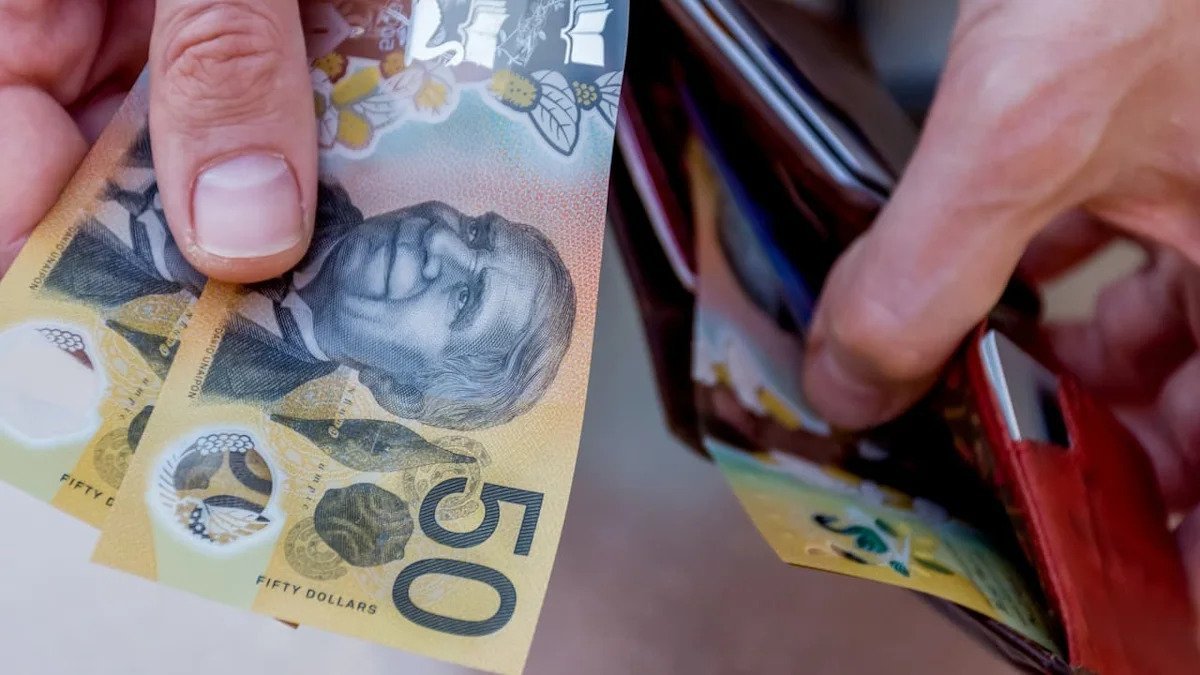
Now the federal Opposition has drawn a line in the sand, promising legislation that would force the nation’s biggest retailers, and the government itself, to keep accepting the legal tender printed by the Reserve Bank of Australia.
Shadow Minister for Financial Services Kevin Hogan has unveiled the Coalition’s Cash Is King bill, a sweeping proposal that would dramatically widen the cash protections that came into force on January 1 under the Albanese government.
Labor’s existing mandate is narrow. It covers only fuel and grocery retailers, applies to in-person transactions of $500 or less, and only between 7am and 9pm.
Step outside a supermarket or a servo, or shop after dark, and the guarantee evaporates.
The Coalition’s version would tear down most of those limits. Chemists, hardware chains, department stores, restaurants and fast-food outlets would all be swept in.
The ceiling would quadruple to $2,000. The time restriction would vanish altogether.
Federal agencies would also be compelled to take cash for eligible over-the-counter payments.
Both sides agree that small businesses turning over less than $10 million a year should be exempt. Even so, the Opposition claims its bill would capture more than 80 per cent of in-person retail transactions across the country.
Mr Hogan argued Labor had left out the very things people cannot live without, pointing to medicines, clothing and hardware supplies. Being refused service while holding a $50 note, he said, should not even be a matter for debate.
Australians, he insisted, must be free to choose how they pay rather than being herded into a cashless economy, declaring that under a Coalition government cash would not be ‘overthrown’.
The fight over physical money has been simmering for years. Card and phone payments exploded during the pandemic, when shoppers and businesses alike shunned notes over hygiene fears.
Many never went back.
The consequences rippled outward fast. Bank branches shut their doors in country towns.
ATMs disappeared from main streets.
And in 2024 the nation’s dominant cash-in-transit operator, Armaguard, required an emergency lifeline from the banks and major retailers just to keep armoured trucks on the road, a stark warning of how fragile the system that moves cash around the country had become.
That crisis rattled Canberra. Labor responded with its mandate, framing it as a guarantee of an ‘ongoing place for cash in our society’.
The current rules also preserve the right to pay household bills, including utilities, phone accounts and council rates, in cash.
But critics say the government built a fence around the supermarket aisle and called it a safety net.
Analysis: What This Means for Australia
This is not simply a squabble about payment terminals. It goes to the heart of who gets left behind as the economy goes digital.
The 1.5 million Australians who lean on cash are not a random slice of the population. They skew older, poorer, more regional and more likely to have disability or limited internet access.
Many use cash deliberately, as a budgeting tool to stop themselves sliding into debt amid a punishing cost of living crisis.
When a chemist chain refuses notes, those people are effectively locked out of essential healthcare purchases. When a hardware store goes cashless, tradies paid in cash and households on tight budgets lose options.
There is a resilience dimension too. Bushfires, floods and cyber attacks have repeatedly knocked out payment networks and phone towers.
In those moments, cash is the only thing that works.
A society that abandons it entirely is betting everything on systems that have failed before, and the growing threat of cybercrime makes that bet riskier every year.
For law enforcement, the picture is double-edged. Authorities such as the Australian Federal Police have long warned that large cash transactions can be exploited for money laundering.
A $2,000 ceiling will inevitably draw scrutiny from those concerned about illicit funds flowing through mainstream retail.
Economically, big retailers say handling cash costs money, from counting and securing tills to paying for armoured collections. Forcing them to keep accepting it means those costs stay on the books, and could ultimately be passed on to customers.
Consumer advocates have welcomed the push. Jason Bryce, of the campaign group Cash Welcome, said the bill would rein in major brands including Kmart, Chemist Warehouse, Bunnings, Tyrepower, KFC and McDonald’s.
He revealed he had been hearing reports of a number of KFC outlets refusing cash, calling it a genuine concern and arguing the corporate heavyweights must be part of any mandate.
Government bodies such as councils and motor registries, he said, should also be obliged to accept what is, after all, legal tender.
Mr Bryce described the current arrangements as inadequate because they stop at supermarkets and petrol stations. His bottom line was simple: everything a person needs to live should be payable in cash.
Policy observers believe the bill puts Labor in an awkward spot, forcing it to defend restrictions that many voters may struggle to understand. Retail industry watchers, however, predict fierce resistance from major chains, who are expected to argue the change would impose heavy compliance costs.
Financial system analysts say the real test is whether any mandate can halt the steady decline in cash infrastructure, or whether it merely slows an inevitable slide.
Without functioning distribution networks, they warn, a legal right to pay in cash means little if there is nowhere left to withdraw it.
Consumer welfare specialists, meanwhile, argue the human cost of exclusion is being badly underestimated, particularly in rural communities already stripped of bank branches.
The government has said its mandate will be reviewed after three years to ensure it is working where it matters most. That review is set to examine whether the rules should be broadened, how they affect businesses, and what has changed in cash distribution and access.
For the pensioner standing at the pharmacy counter with a note nobody wants, three years may feel like a very long wait.