
Rifle-Toting Police Squad Hits Sydney’s Streets Around the Clock as Bondi Terror Attack Forces a Major Shift in How Australia’s Biggest City Is Protected
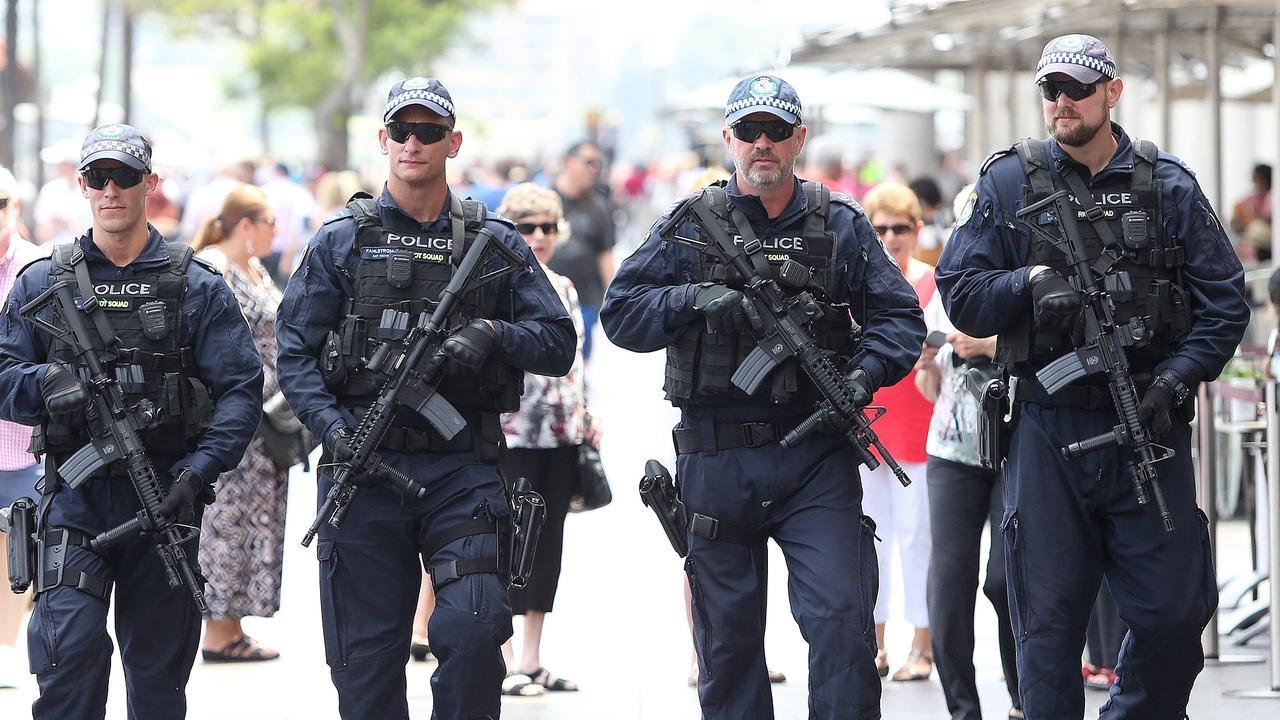
- Heavily armed officers carrying long-arm rifles began patrolling Sydney’s CBD and suburbs at dawn on Sunday, marking a new era in how the city is policed
- The $94.3 million Armed Response Command will grow to as many as 250 officers by 2027, operating 24 hours a day, seven days a week
- The unit was created in direct response to December’s deadly mass shooting at Bondi Beach, which authorities have labelled a terrorist attack
- Locals are divided: some say the guns make them feel safer, while others admit the sight of rifles on city streets is “a bit scary”
Sydney woke up to a very different city on Sunday.
As the sun rose over Parramatta, Liverpool, the Eastern Suburbs and the CBD, police officers armed with rifles moved into public spaces. They were not there for a siege or a manhunt.
They were there because, in the eyes of the state government, this is now what keeping Sydney safe requires.
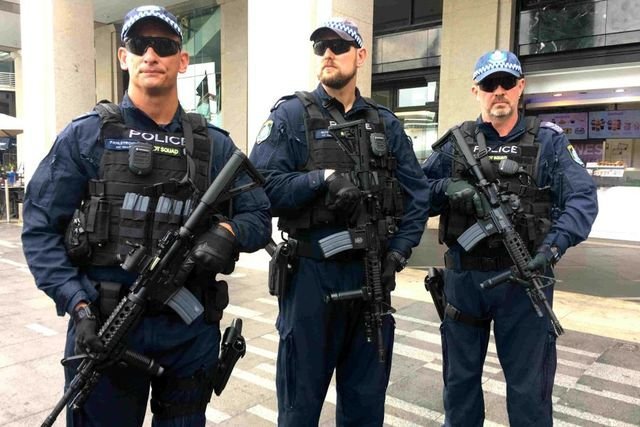
It is a sobering image for a nation that has long prided itself on a largely unarmed street culture.
And it is the clearest sign yet that the bloodshed at Bondi Beach in December has permanently changed the way New South Wales thinks about terrorism and public safety.
The new Armed Response Command, known as the ARC, became operational at 6am. Its officers will patrol crowded locations across metropolitan Sydney and will be called to the most dangerous incidents police face: active armed offenders.
The Minns government is spending $94.3 million on the unit. Staffing will climb to as many as 250 officers by 2027, and the command will run around the clock.
Police and Counter-terrorism Minister Yasmin Catley told reporters on Sunday that the ARC’s presence was already being felt from the city centre out into the suburbs.
She called the command “state of the art” and said its officers were ready to respond in a rapid, direct and intelligence-focused way.
She said the proposal had come from NSW Police Force leadership, who had travelled overseas to study how other countries respond to terror events before bringing the model back to government.
The ARC is one of several measures adopted after Bondi.
Leading the command is Detective Superintendent Andrew Evans. He said the unit would be sent to “active armed offender incidents” and would maintain a visible presence at places of mass gathering.
Behind the patrols sits a purpose-built operations centre in Surry Hills, which will feed real-time intelligence to specially designed ARC vehicles on the road.
Evans described his team, drawn from across the broader force, as “an excellent and committed bunch of officers”.
Recruits completed six and a half months of specialist training covering rifle handling, high-speed driving and first-responder medical care. That last skill matters.
In a mass-casualty event, the officers first on scene may need to stop the bleeding as well as the gunman.
Catley stressed that the ARC is a “step up” rather than a replacement. Every existing police command will keep operating as normal.
The timing is no accident. December’s attack at Bondi, one of the country’s most famous public places, shattered a sense of security that many Australians took for granted.
The Beach is a symbol of the national lifestyle: open, relaxed and crowded. That openness is exactly what made it vulnerable.
Australia’s strict firearms laws, introduced after the 1996 Port Arthur massacre, have long been held up internationally as a model. Mass shootings became rare.
But security agencies, including ASIO, have repeatedly warned in recent years that the threat of politically or ideologically motivated violence has not gone away, and that attacks are increasingly carried out by lone actors who move quickly and with little warning.
That shift has exposed a gap. Traditional tactical units such as specialist response groups are highly trained but are typically called in once an incident is already under way.
In an active shooter scenario, minutes cost lives. The ARC is designed to close that window by having armed, trained officers already moving through the places attackers are most likely to target.
Analysis: What This Means for Australia
On national security, the ARC signals that New South Wales now treats mass-casualty terrorism as an ongoing operational risk rather than a remote possibility. Other states will be watching closely.
If the Sydney model is judged a success, pressure will build on Victoria, Queensland and beyond to roll out their own versions, potentially reshaping the face of Australian policing within a decade.
For law enforcement, the unit represents a move towards intelligence-led, rapid-intervention policing borrowed from overseas. The Surry Hills hub linking analysts to vehicles in the field is the heart of that strategy.
The question is whether the intelligence will be sharp enough to put officers in the right place at the right time, or whether the patrols will mostly serve as a deterrent.
The community impact is harder to measure. Visible rifles may reassure some residents and deter would-be attackers.
For others, including people from communities with difficult histories with armed authorities, the sight of long guns at train stations and shopping strips could feel intimidating.
Building trust will be as important as building capability.
Then there is the money. At $94.3 million, the ARC is a major commitment at a time of intense pressure on the state budget and household cost of living.
Supporters argue no price is too high after Bondi. Critics are likely to ask whether that funding could also support prevention, mental health services or programs tackling radicalisation before violence erupts.
Security analysts say the deployment of armed patrols reflects a global trend. Cities across Europe adopted similar models after a wave of attacks last decade, and Australia has now followed.
Law enforcement insiders warn that the real test will not come on a quiet Sunday morning but in the chaos of a live incident, when split-second judgement, not firepower, decides the outcome.
Training standards and strict rules of engagement, they say, will be under intense scrutiny.
Civil liberties observers believe the government must be transparent about how and where the unit operates, so that heavily armed policing does not quietly become the norm in everyday situations it was never designed for.
On the streets, opinion is split. Evans said the ARC had already received strong community support.
One local told 7NEWS the change made him feel safer, with “more police on the street, with more guns”.
Another was less comfortable. Seeing a long gun, they said, was “a bit scary”.
They conceded it was probably a good initiative if the goal was public safety, but admitted that encountering rifles regularly could be unsettling.
That tension captures the moment Sydney now finds itself in. The city wants to feel safe.
It is still working out what safety should look like.