
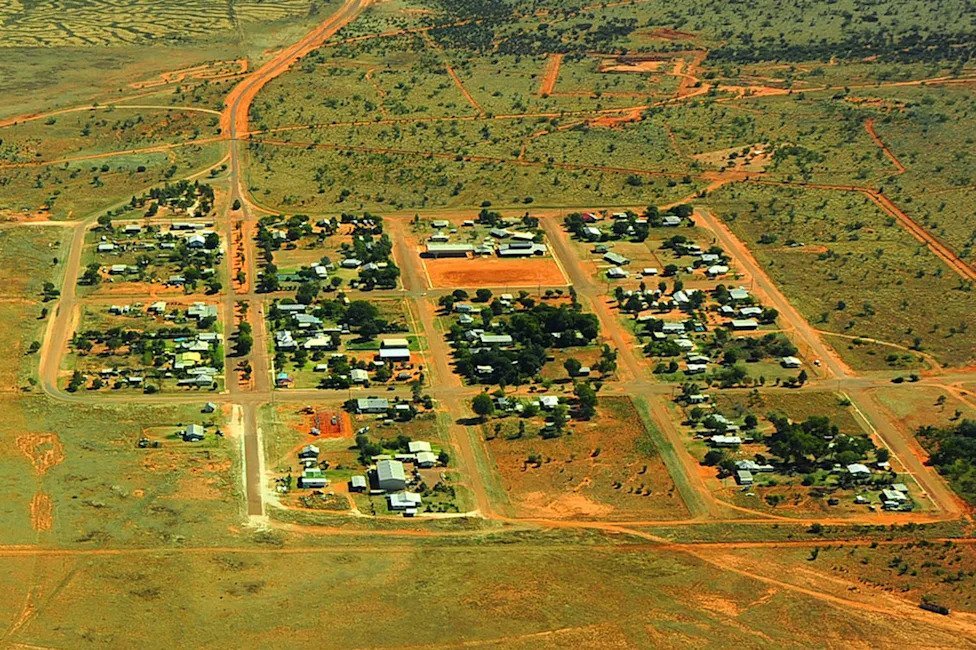
‘Your Car’s Where You Left It’: Outback Queensland Town Offers $20,000 Cash to Anyone Brave Enough to Build a Home and Escape Australia’s Brutal City Housing Crisis
- Remote Quilpie, roughly 950km west of Brisbane, will pay newcomers $20,000 to build a house and live in it for at least a year
- Residential blocks in the town reportedly average just $25,000 to $30,000, a fraction of the price of land in Australia’s capitals
- The mayor admits building costs are steep but insists the town offers safety and prosperity the big cities can no longer promise
- Council is chasing a population of 1,000, but says it would be thrilled with just 10 ‘good quality’ new residents
Imagine a place where children still gulp water straight from the garden hose. Where kids roam the streets until dusk, and where nobody wakes up wondering if their car has been stolen overnight.
For millions of Australians crushed by soaring rents, punishing mortgages and rising anxiety about crime, it sounds like a fantasy.
But one tiny outback community insists it is real, and it is prepared to hand over cold, hard cash to prove it.
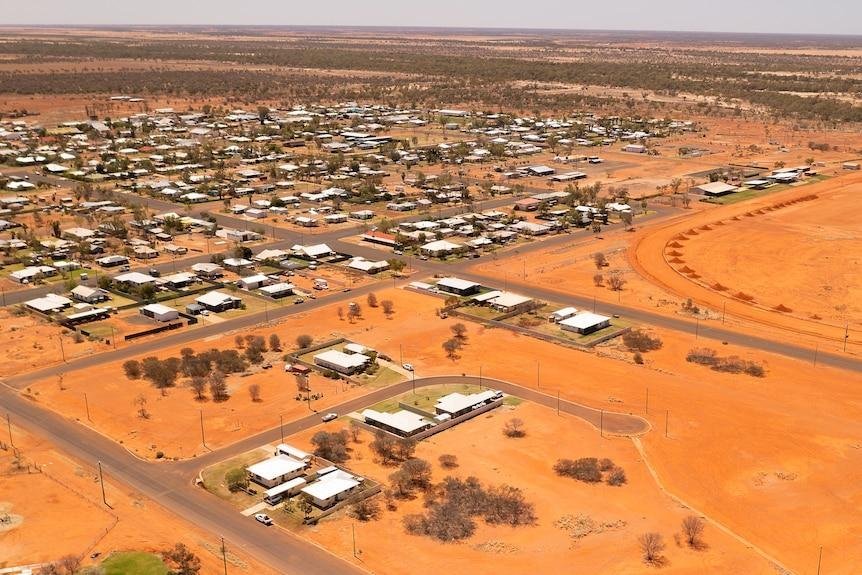
The Quilpie council in south-west Queensland has unveiled a $20,000 homeowner grant for anyone willing to construct a house in the region and call it home for a minimum of 12 months.
The bold offer is designed to inject fresh blood into a shire hundreds of kilometres from the nearest major city, and it lands as the council readies 60 residential lots for sale next year.
Mayor Ben Hall, appearing on Sunrise on Monday, made an unashamedly blunt pitch to city dwellers. Quilpie, he argued, is everything the metropolis is not: safe, prosperous and close-knit.
He painted a picture of a town where people who settle there tend to do well, and where the old-fashioned freedoms of an Australian childhood have survived intact.
The council’s long-term goal is to swell the population to 1,000.
Yet the mayor was strikingly modest about what success would look like right now, saying around 10 new arrivals would leave locals delighted, provided they were the right sort of people willing to fit in with the community.
The financial maths is eye-catching.
Land in the area typically sells for between $25,000 and $30,000, meaning the grant could effectively cover most of the cost of a block.
But Mr Hall did not sugarcoat the catch.
Construction in the outback is expensive, and he conceded that building costs are considerably higher than in south-east Queensland, where tradies and materials are far easier to come by.
He also stressed that newcomers need not build a conventional suburban home, pointing to the region’s relaxed, outdoor way of living and suggesting the right dwelling depends entirely on what each person is looking for.
Remoteness is the obvious elephant in the room. Quilpie is linked to Brisbane by just two flights a week.
Still, the town has a hospital, shops and a local school that teaches students up to Year 10. Families with older teenagers can tap into subsidised boarding school arrangements in south-east Queensland.
Quilpie’s cash offer does not exist in a vacuum. It arrives at a moment when Australia’s housing crisis has become one of the defining political and social issues of the decade.
Home ownership has drifted out of reach for a generation of younger Australians, with median prices in Sydney, Melbourne and Brisbane climbing far beyond what average wages can support.
Renters, meanwhile, have endured record-low vacancy rates and relentless increases.
Data from the Australian Bureau of Statistics has repeatedly shown population growth concentrating in capital cities and fast-growing coastal corridors, while many inland communities struggle to hold on to residents.
For small outback towns, every family that leaves can mean fewer students in classrooms, fewer workers for local businesses and greater pressure on essential services to justify their existence.
Regional councils across the country have experimented with incentives over the years, from cheap land deals to relocation support, in a bid to reverse that slow bleed.
Quilpie’s grant is the latest, and among the most direct, of those efforts.
Analysis: What This Means for Australia
At its heart, Quilpie’s offer exposes a stark national imbalance. Australia’s cities are bursting at the seams while vast swathes of the interior are crying out for people.
Socially, the pitch taps into something deeper than dollars. The mayor’s emphasis on safety, unlocked cars and children playing freely speaks directly to growing unease about crime and community breakdown in urban areas.
Whether fair or not, that perception is a powerful motivator for families weighing a sea change, or in this case a tree change.
Economically, even a handful of new households can be transformative in a small town.
Ten new residents may sound trivial in Brisbane terms, but in the bush they can mean a viable sporting team, a new apprentice, or a local cafe staying open.
There is also a broader policy lesson. Governments at every level have struggled to ease pressure on capital city housing.
Decentralisation, encouraging Australians to live and work in regional areas, is frequently floated but rarely delivered at scale. Local schemes such as Quilpie’s offer a small-scale test of whether money and lifestyle promises can genuinely shift where people choose to live.
The obstacles are real, however. High building costs, limited flights and schooling that stops at Year 10 mean the move will not suit everyone.
The rise of remote work since the pandemic has opened the door for some professionals, but reliable connectivity and access to specialist services remain critical considerations.
Housing policy observers say grants like Quilpie’s work best when paired with genuine job opportunities. Cheap land alone, they argue, rarely keeps people in place once the novelty fades.
Regional development analysts believe the 12-month residency requirement is a sensible safeguard, ensuring the incentive rewards genuine settlers rather than speculators chasing a quick payout.
Industry observers warn that construction capacity is the hidden challenge.
With builders already stretched nationally amid the cost of living squeeze and materials shortages, attracting tradespeople to remote sites can add months and tens of thousands of dollars to a project.
Still, demographers note that the modest target may be the scheme’s greatest strength. By aiming for a realistic handful of committed newcomers rather than a population boom, the council has set a goal it can plausibly hit.
For city families staring down another rent hike, the question is simple, if daunting: is $20,000 and a quiet street enough to trade the bright lights for the red dirt?
In Quilpie, they are betting at least 10 people will say yes.