
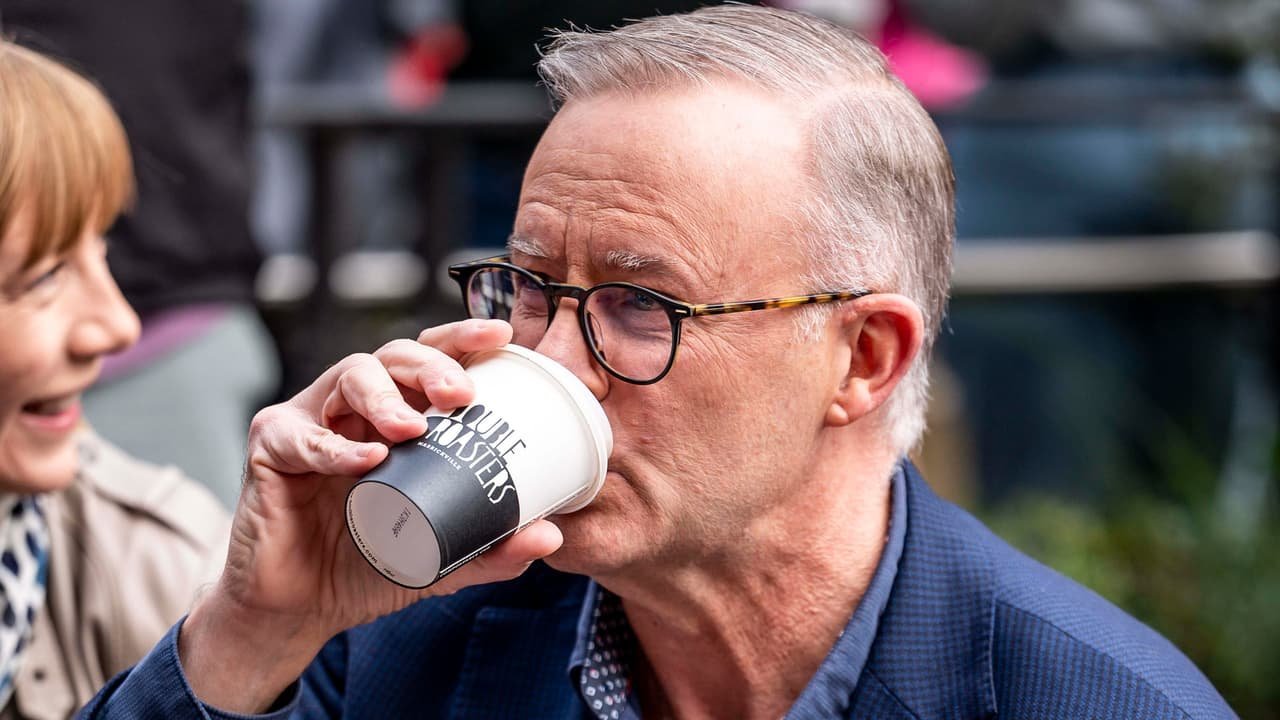
‘It Doesn’t Mean We’re Saving Money’: Card Surcharge Ban Backfires as Cafes Hike Coffee Prices by Up to 50 Cents and Australians Are Told the Promised $1.6 Billion Windfall May Never Arrive
- One month after card surcharges were outlawed, shoppers are discovering the fee hasn’t disappeared. It has been quietly folded into the price tag.
- One in five cafes has reportedly raised the price of a coffee since October 1, often by far more than the old surcharge.
- A leading finance expert warns the $1.6 billion Australians paid in surcharges each year was never going to vanish from household budgets.
- In a twist few predicted, cash could make a comeback, with businesses possibly offering discounts to customers who pay with notes and coins.
It was sold as a win for every Australian with a debit or credit card in their wallet.
No more nasty surprises at the register. No more mystery percentages tacked onto the bill after you’d already ordered.
Just the price on the shelf, paid in full, end of story.
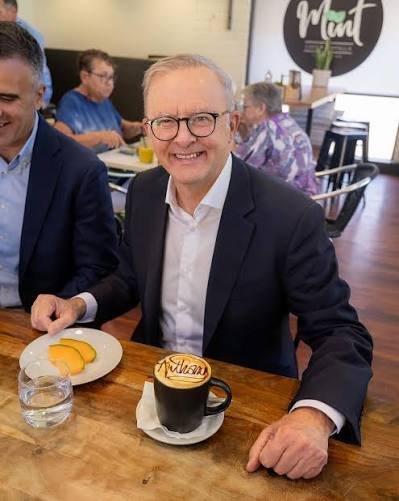
But four weeks into the nation’s crackdown on card surcharges, a far less comforting picture is emerging. The fee hasn’t been abolished.
It has simply moved, and for many consumers it now costs more than it did before.
Since October 1, most businesses across the country have been barred from adding an extra charge when customers tap, swipe or insert a debit or credit card.
The reform targeted one of the most common gripes in Australian retail, the small but irritating surcharge that appeared at cafes, restaurants, taxis and corner stores.
What the rule could not do was remove the underlying expense. Every card transaction still costs the merchant somewhere between one and two per cent.
That money has to come from somewhere, and owners now face a stark choice: swallow it, or build it into what they charge everyone.
Canstar’s Data Insights Director Sally Tindall has been blunt about where that leaves shoppers.
Speaking on Sunrise, she pointed out that when the Reserve Bank of Australia unveiled the policy, it highlighted that Australians were handing over around $1.6 billion a year in surcharges.
According to Tindall, plenty of people, the Prime Minister among them in her view, took that to mean households would pocket $1.6 billion in savings.
She argues that was always a misunderstanding. The cost remains, she said, because retailers are still paying it.
The genuine gain, Tindall explained, is clarity. Shoppers can now compare like with like, and the figure on the menu board is exactly what they’ll be charged at the counter.
That removes a long-standing source of frustration, she said, but it is not the same thing as spending less.
Her team has been sifting through receipts submitted by consumers nationwide to track how businesses have reacted. Two patterns stand out.
The first group has simply rolled the old surcharge into the advertised price. The total at the checkout is roughly the same as before, but it now arrives upfront rather than as an add-on.
The second group is the one alarming consumers. These businesses appear to have used the rule change as cover for price rises that go well beyond the value of the scrapped fee.
The clearest example is the humble flat white.
Tindall cited research from coffee pricing website Small Flat White, which found that 20 per cent of cafes have lifted coffee prices since the ban began.
The typical increase was 50 cents.
On a $5 coffee, that is a 10 per cent jump, several times larger than the one to two per cent surcharge it supposedly replaces.
The timing is no accident.
The surcharge ban landed on a business community already battered by soaring rents, energy bills, wages and supplier costs, part of the broader cost of living crisis that has squeezed households and small operators alike.
Tindall urged Australians not to aim their anger at struggling small businesses.
Rather than lifting prices every time a new cost arrives, which could mean ten small rises a year, she said many owners save them up and adjust in one hit.
The October deadline, she suggested, gave many the trigger to do exactly that, bundling the surcharge with months of accumulated cost pressures.
Not everyone has passed the cost on. Some businesses are absorbing the expense themselves, at least for the time being, though how long their margins can sustain that remains an open question.
Analysis: What This Means for Australia
The fallout from the surcharge ban goes well beyond the price of a morning coffee. It exposes the gap between how economic reforms are sold to the public and how they actually play out in the real world.
For households, the immediate result is a hidden repricing of everyday goods.
Card users and cash payers now generally see the same price, which means people who always paid with cash are, in effect, helping cover the card-processing costs of everyone else.
Economists have long warned that such cross-subsidies hit hardest the older Australians, low-income earners and regional residents who rely most on physical money.
For small business, the reform adds another layer of pressure in an already brutal environment. Owners who raise prices risk losing customers and copping public backlash.
Owners who absorb the cost watch already thin margins shrink further. Neither option is comfortable.
There is also a wider inflation question.
If price rises cluster around a single policy date, they can show up in official figures from the Australian Bureau of Statistics, feeding the very price pressures the Reserve Bank has spent years trying to contain.
And then there is the payments system itself. Australia is one of the most cashless societies in the world, and banks have spent years shutting branches and pulling ATMs.
A reform that inadvertently makes cash more attractive could complicate that trajectory.
Tindall flagged that very possibility. With card and cash customers now facing the same sticker price, she said, retailers could start rewarding those who pay with physical money.
Her advice to consumers was to watch this space, predicting that stores may have to get innovative.
Consumer advocates say the coming months will be telling. Industry observers believe price-tracking projects like Small Flat White’s will become crucial tools for shoppers trying to tell a fair adjustment from opportunistic gouging.
Retail analysts warn that the real test is whether competition does its job. In crowded markets such as cafes, businesses that overcharge may lose customers to rivals who held their prices.
In less competitive sectors, there may be little to stop price creep from becoming permanent.
Policy watchers note that the reform did deliver on its narrow promise: no more surprise fees at the register. But they say the broader expectation, that Australians would collectively keep $1.6 billion in their pockets, was never realistic.
For now, the message to shoppers is simple. The surcharge may be gone from the receipt, but someone is still paying for it, and increasingly, that someone is you.