
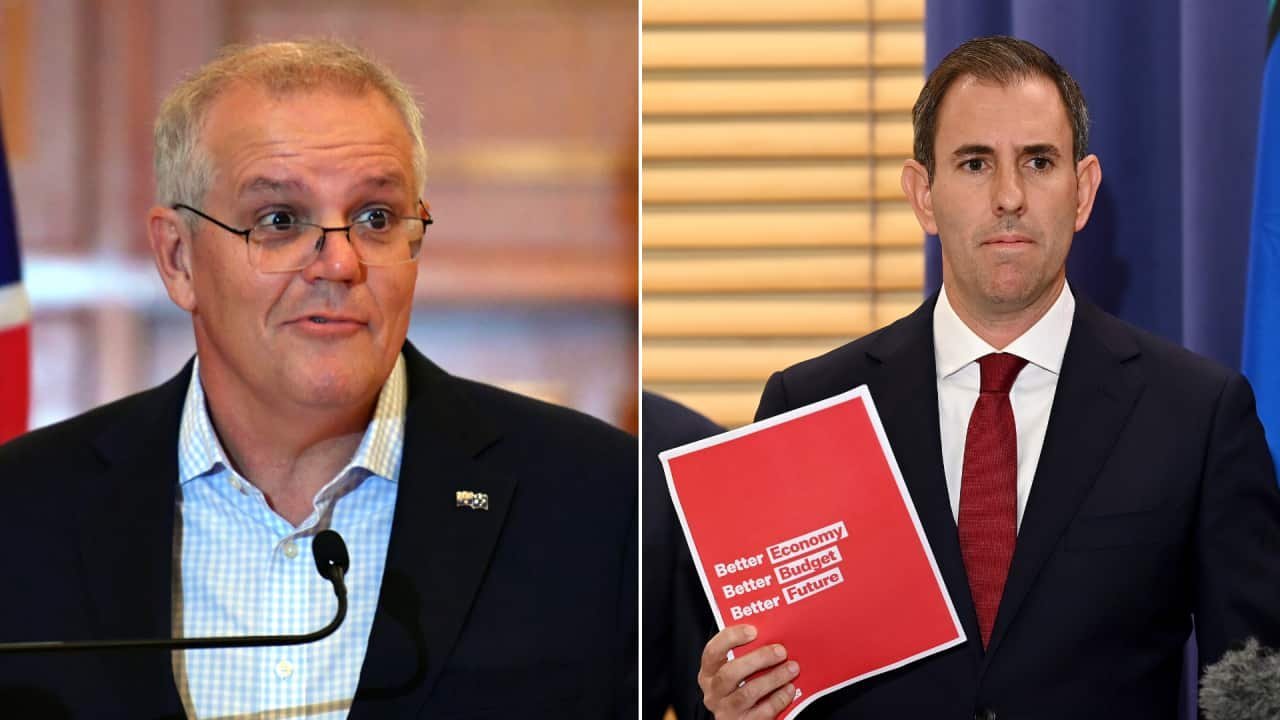
‘An Excuse For Everything’: Jim Chalmers’ Own Brutal Attack Lines Come Back to Haunt Him as Labor Braces for a Melbourne Cup Day Rate Hike and Whispers of a Cabinet Rift Grow Louder
- If the Reserve Bank lifts rates on Tuesday, Australians will have endured 17 hikes since Labor took office, with only three cuts during 2025 to soften the blow.
- Footage of Jim Chalmers mocking Scott Morrison in 2022 is now spreading online as critics accuse the Treasurer of hypocrisy.
- Finance Minister Katy Gallagher has moved to dismiss reports of a rift between the Treasurer and Anthony Albanese’s inner circle over spending cuts.
- A looming Victorian election defeat and a NSW poll in March threaten to turn a sporadic disunity story into a full-blown crisis for federal Labor.
Millions of mortgage holders will be watching on Tuesday. They will not be studying the form guide.
They will be waiting for the Reserve Bank.
As the nation pauses for the Melbourne Cup, the Reserve Bank of Australia is widely expected to hand down another interest rate increase. For families already stretched by soaring power bills, grocery costs and petrol prices, it would be one more blow at the worst possible moment.
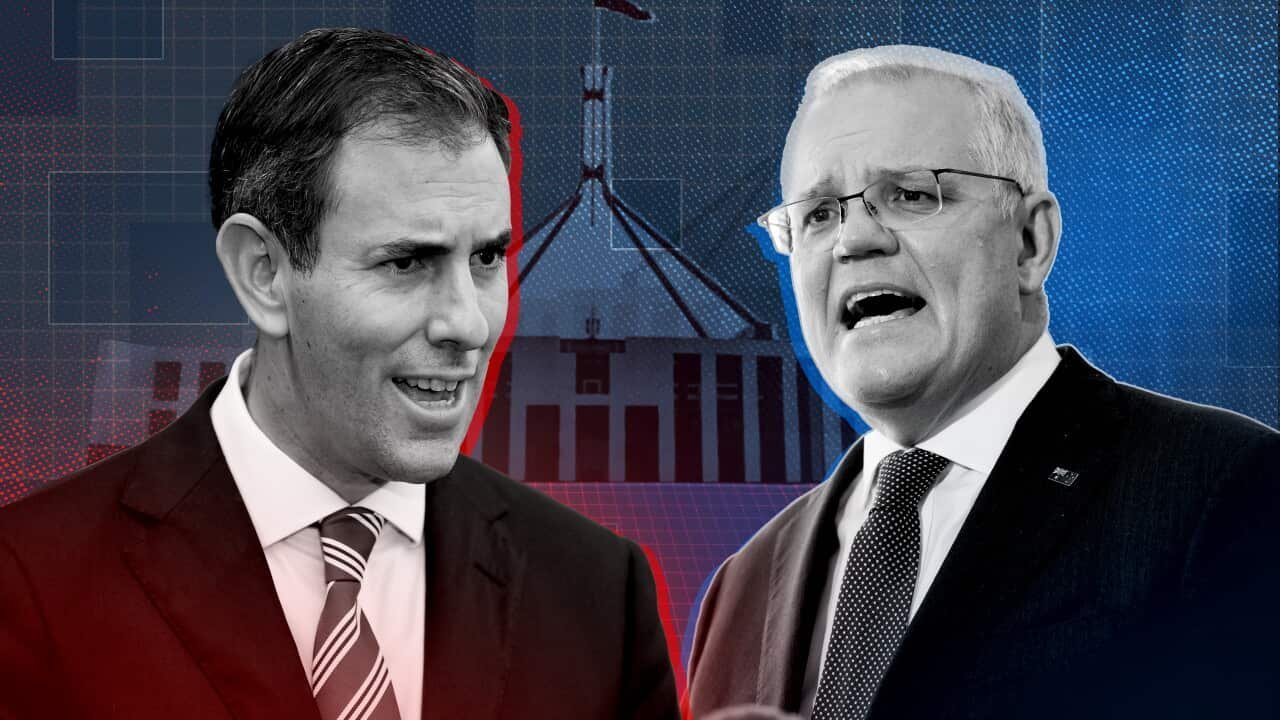
For Treasurer Jim Chalmers, it is also deeply personal. The words he once used to attack a former prime minister are now being turned against him.
Back in 2022, when the RBA raised the cash rate for the first time in more than ten years, Chalmers was in opposition and in fighting form.
He said Scott Morrison had “an excuse for everything and a plan for nothing”.
He argued that Morrison claimed credit whenever the economy was strong and dodged blame whenever it weakened. Then came the line designed for the evening news: if only Australians could pay their mortgages with Mr Morrison’s excuses.
Four years on, those lines are back in circulation, this time aimed at him.
A Tuesday hike would take the tally to 17 rate rises since Labor won government. The three cuts delivered in 2025 brought temporary relief.
Critics argue that relief has now been wiped out.
Social media clips now place Chalmers’ old attacks beside his current explanations for stubborn inflation, which point to global pressures beyond Canberra’s control. His opponents say the contrast is impossible to ignore.
Chalmers has asked Australians to keep “perspective” and highlighted external forces. He also said last week that he accepts his share of responsibility for the government’s decisions.
But the economic figures are only part of Labor’s problem.
On Friday, a media report claimed Chalmers had wanted deeper spending cuts.
It alleged he was blocked by the Prime Minister’s allies on the powerful Expenditure Review Committee, the small group of senior ministers that decides where taxpayers’ money is spent.
Labor insiders were reportedly dismayed by the story.
On Sunday, Finance Minister Katy Gallagher appeared on the ABC’s Insiders program to contain the damage. Gallagher sits on the ERC and is one of Albanese’s most trusted lieutenants.
Around Parliament House, she has long been seen as the person who keeps relations smooth between the Prime Minister and his Treasurer.
She described their relationship as professional. Any differences, she said, came down to people approaching issues from slightly different angles.
Those slightly different angles are now attracting intense attention in Canberra.
Gallagher also made a pointed observation. She said she was part of the economic team too, and that refusing ministers’ requests for extra money was her job as well.
The message was plain: Chalmers is not the only one guarding the Budget.
She also pushed back against claims that Labor is a reckless spender. She argued the government faces budget pressures unknown to the Howard era, listing the NDIS, AUKUS, defence, aged care and interest payments on government debt.
Those costs, she said, are not going away.
Chalmers has denied any link to Friday’s report. However, colleagues are said to be unconvinced.
Some reportedly see it as an attempt to distance the Treasurer from the high-spending reputation that critics blame for fuelling inflation.
Analysis: What This Means for Australia
Ordinary Australians are paying the price for this political brawl.
Every rate rise passes straight through to household budgets. Higher repayments mean less money for groceries, school costs and power bills.
That squeeze ripples through local businesses as shoppers spend less.
The cost-of-living crisis has already pushed many renters and first-home buyers to breaking point.
Another hike would deepen the strain on the housing crisis and add to the stress on families in outer suburbs and regional towns, many of which voted Labor.
The spending debate matters too. Gallagher’s list is not political spin.
Defence and AUKUS commitments are central to Australia’s national security in a volatile region. The NDIS and aged care support some of the country’s most vulnerable people.
Interest on government debt now consumes money that could otherwise fund services.
None of these costs can be cut easily. That is why any sign of division over the Budget is so dangerous.
A government arguing internally about blame has less capacity to solve problems. If voters believe their leaders are focused on leaks and rivalries, trust erodes fast.
Unity has long been one of Albanese’s strongest assets. It now appears to be weakening.
The electoral calendar makes things worse. Victorians vote at the end of this month, and Labor is tipped to lose.
Federal MPs want that result blamed on the 12-year state Labor government that began under Daniel Andrews, along with its governance failures and scandals.
But New South Wales goes to the polls in March. Two heavy defeats would be far harder to blame on state issues alone.
Political strategists say the danger lies in how such stories grow. Once questions about who leaked what begin to dominate, coverage shifts from policy to internal politics.
Opponents seize on the turmoil, and the government struggles to promote its own plans.
Economic observers believe Gallagher’s argument about modern budget pressures is reasonable. They say it reflects a growing recognition in government that voters are tired of hearing overseas conflicts blamed for higher prices.
Explaining the domestic pressures may prove more persuasive than pointing abroad.
Seasoned Canberra watchers warn the bigger danger is internal. Disunity has destroyed governments before, and Labor’s senior figures know it.
Without a quick end to the speculation, they say, the government risks losing control of its economic message altogether.
Some analysts suggest the Victorian result could prove a turning point. A severe loss would likely intensify tensions in Canberra rather than ease them.
For now, the Melbourne Cup offers an awkward picture. Flemington’s Birdcage was once a favourite spot for politicians in their race-day finery.
This year, with the RBA expected to deliver more pain to households on the same afternoon, few in government will want to be photographed there.