
‘Communities Will Be Under Threat’: Fire Chiefs Sound the Alarm Over Dangerous Bushfire Summer as Australia’s 170-Strong Aerial Fleet Is Readied for Battle
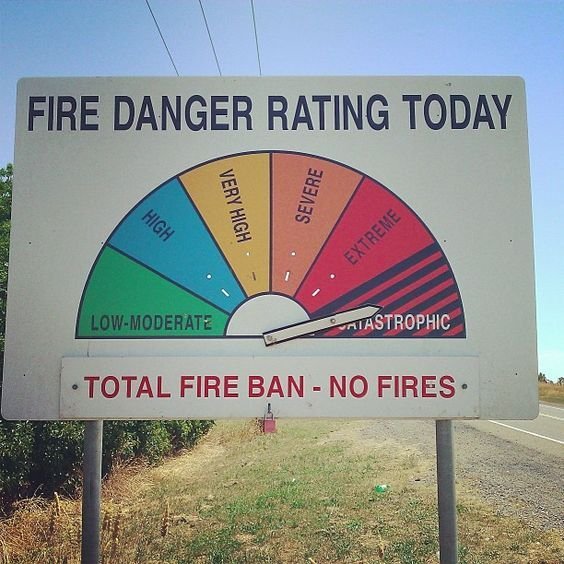
- Fire authorities warn hot, dry conditions are building across the nation, setting the stage for a dangerous bushfire season.
- Around 170 firefighting aircraft, including a C-130 air tanker carrying 15,000 litres of retardant, are positioned around the country.
- Officials concede that even this large fleet may not be enough to save every community in harm’s way.
- NSW Rural Fire Service commissioner Trent Curtin urges families to prepare their homes and download warnings apps now, before the flames arrive.
The heat is coming. The grass is drying.
And Australia’s most senior fire chiefs have delivered a blunt message to millions of households: do not wait for the smoke to appear on the horizon.
With the country heading into summer, emergency leaders have warned that hot, dry conditions are taking hold in multiple regions, raising the spectre of a season that could test firefighters, aircrews and communities to their limits.
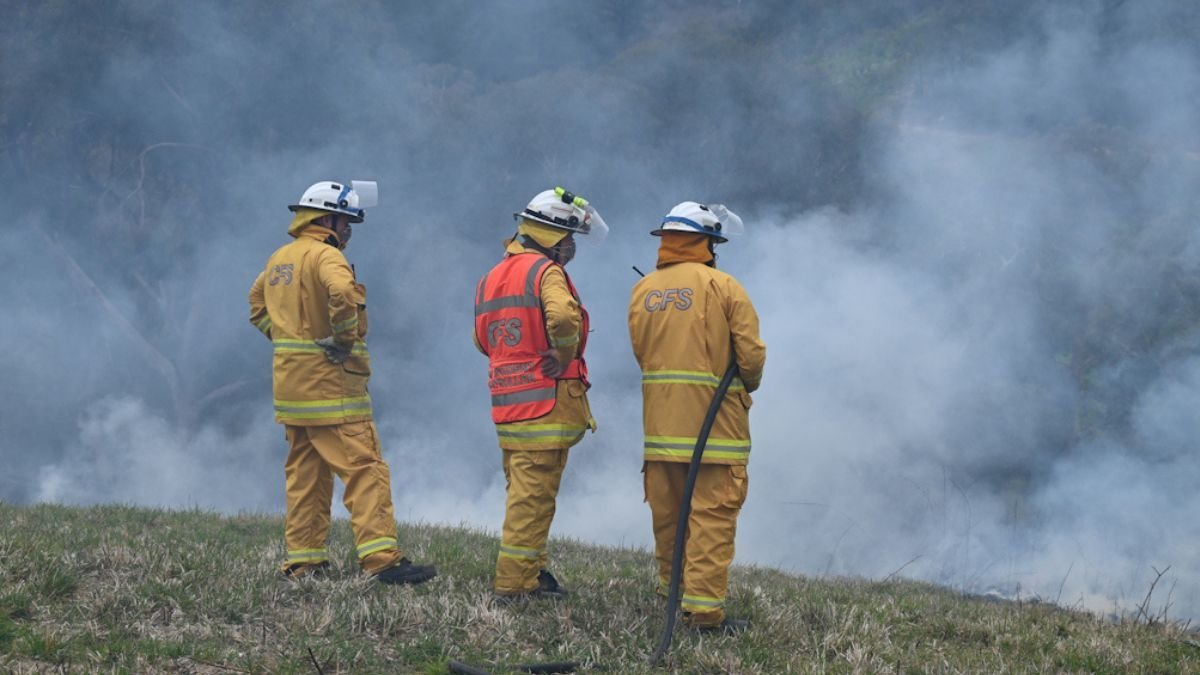
It is a warning Australians have heard before. Many have also learned, at terrible cost, what happens when it is ignored.
The alarm was raised at RAAF Base Richmond, northwest of Sydney, where Emergency Management Minister Kristy McBain toured a large air tanker base alongside key fire authorities.
The visit was designed to showcase a slice of the roughly 170 aircraft now stationed across the nation, ready to be thrown at blazes as they erupt.
On display was a C-130 air tanker loaded with 15,000 litres of fire retardant, a Cessna Citation used to oversee and coordinate the aerial attack from above, and helicopters that carry water and equipment in sling operations beneath them.
Ms McBain said the government had ensured the fleet was equipped to respond to any event the season might throw at it.
Patrick Hetherington, of the National Emergency Management Agency, echoed that confidence, saying authorities believed they had the aircraft required not only for the coming months, but for the seasons that follow.
Yet beneath the polished display of hardware lay a more sobering admission.
NSW Rural Fire Service commissioner Trent Curtin warned that dangerous conditions were expected this summer, with heat and dryness spreading across various parts of the country.
Communities, he said plainly, would be under threat.
Officials acknowledged that no matter how many aircraft are in the sky, they cannot guarantee every town will be spared.
To understand why authorities are speaking so frankly, Australians need only cast their minds back to the catastrophic Black Summer of 2019-20.
That season scorched tens of millions of hectares, destroyed thousands of homes and claimed dozens of lives directly, while smoke blanketed major cities for weeks. Billions of animals were killed or displaced.
Entire towns along the NSW South Coast and in Victoria’s East Gippsland were cut off, with residents forced onto beaches as fire bore down on them.
In the aftermath, the Royal Commission into National Natural Disaster Arrangements examined how the country could better defend itself, with aerial firefighting capability among the key issues scrutinised.
Australia had long relied heavily on leased aircraft from overseas, often from the Northern Hemisphere, where fire seasons increasingly overlap with our own. As blazes intensify globally, competition for those aircraft has become a genuine vulnerability.
The showcase at Richmond is, in part, a demonstration that lessons have been absorbed. But the climate backdrop has not softened.
Data from the Bureau of Meteorology has repeatedly pointed to a warming trend that lengthens fire seasons and makes extreme fire weather days more frequent.
Analysis: What This Means for Australia
Bushfire is no longer simply a seasonal hazard. It is a matter of national resilience, and arguably national security.
When a major fire front breaks out, it does not just threaten homes. It shuts highways, severs power and telecommunications, disrupts supply chains and can stretch emergency services, and at times the Australian Defence Force, to breaking point.
A severe season places enormous strain on the same people and assets needed for floods, storms and other disasters that increasingly arrive back to back.
For law enforcement and emergency agencies, the challenge is about coordination as much as capability.
Aircraft can slow a fire and buy time, but evacuations, road closures and on-the-ground defence still rely on police, volunteers and residents acting quickly and correctly.
That is precisely why Mr Curtin’s call to action matters so much. Aircraft cannot be everywhere at once.
Thick smoke, high winds and darkness can ground them entirely, leaving households to fend for themselves in the most frightening hours.
The community impact of a bad season is profound and lasting. Rural and regional towns, many already grappling with the cost of living crisis, face devastating losses to farms, tourism and small businesses.
Rebuilding can take years, and insurance premiums in fire-prone areas have already climbed steeply, feeding into wider concerns about the insurance affordability crisis.
There is a human toll, too.
Mental health services in fire-hit communities reported surging demand long after the Black Summer flames were extinguished, a reminder that the scars of disaster run far deeper than charred landscapes.
Mr Curtin said that anyone who had not yet prepared their home, downloaded a warnings app or visited their local fire service website to get themselves and their family ready should do so immediately.
Emergency management observers say the message is deliberately simple because the stakes are so high.
They warn that complacency is often the most dangerous factor in any fire season, particularly in areas that have enjoyed several milder summers and where newer residents may never have faced a serious blaze.
Fire behaviour specialists note that preparation is far more than clearing gutters.
It means having a written bushfire survival plan, knowing exactly when to leave, understanding warning levels, and making sure every member of the household, including children and elderly relatives, knows what to do.
Security analysts say the growing investment in aerial capability reflects a recognition that disasters can overwhelm local resources almost instantly. But they caution that hardware alone cannot replace a prepared, informed public.
Insiders across the emergency sector believe the coming months will once again test how well governments, agencies and ordinary Australians have learned from the past. Information on preparing for fire danger is available through state services and the bushfire season guides published nationally.
The aircraft are fuelled and waiting. The question now is whether the rest of the country is ready too.