

Fight for Survival at David Jones as 188-Year-Old Retail Icon Misses Crucial ASIC Deadline, Brands Pull Stock and Lender Injects ‘Lifeline’ Cash Ahead of Christmas
- Australia’s oldest department store has missed the deadline to lodge its latest financial year accounts with the corporate regulator, ASIC
- Its key lender, Hilco Capital, has reportedly provided about $10 million in extra funding so David Jones can stock its shelves before Christmas
- At least one major fashion brand is understood to have pulled stock over fears the retailer could not pay its bills
- The retail workers’ union is contacting staff to explain their rights if the business collapses
For generations of Australians, David Jones has meant more than shopping. It has meant the Christmas windows, the perfume hall and the first good suit.
Now the 188-year-old retailer is in a fight that has nothing to do with festive sales targets. It is fighting to prove it can survive.
The department store has been forced to publicly defend its viability after missing a key regulatory deadline, while speculation grows that some of its stores will close and suppliers quietly protect themselves.
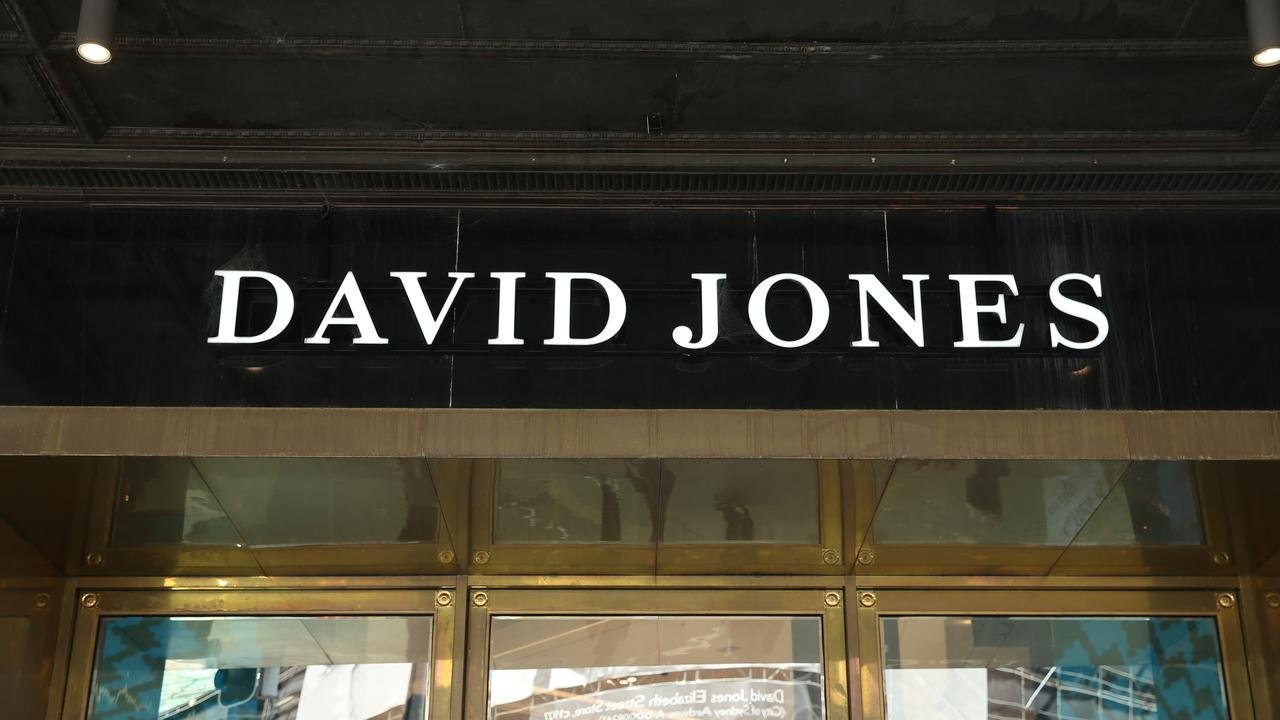
The ABC has confirmed that David Jones failed to lodge its latest financial year reports with the Australian Securities and Investments Commission by the required date.
For a company of its size and history, the lapse has set off alarm bells across the industry.
The warning signs did not stop there.
Hilco Capital, the retailer’s main lender, has provided additional funding so David Jones can stock up for the crucial Christmas trading period. Hilco declined to confirm the amount, but the ABC understands it is about $10 million.
Hilco has firmly rejected any suggestion it is losing faith. In a statement, the lender said it still backed the business and described any claim to the contrary as false.
Behind the reassurance, the pressure is clear. At least one major fashion label is understood to have removed some of its stock from David Jones because of concerns about unpaid bills.
Suppliers have already been given extended payment terms this year. That means David Jones has been allowed more time to pay for goods already on its shelves.
Then there are the store closure rumours. Media reports suggest the retailer may abandon several sites inside Westfield shopping centres.
It currently operates 38 stores nationwide, including its flagship on Elizabeth Street in Sydney.
David Jones is owned by Anchorage Capital Partners, an Australian private equity firm. A spokesperson for Anchorage would not comment on what they called speculation.
However, the spokesperson confirmed that David Jones was reviewing its store network. The retailer is also negotiating with stakeholders to put the business on what the firm described as a viable financial footing.
To understand how a national institution reached this point, you have to go back almost two centuries.
David Jones began as a corner shop in 1838, when Sydney was still a young colony. It grew into a chain of multi-level stores that sell cosmetics, footwear, fashion and homewares, and it became a symbol of Australian prestige retail.
But the ground has shifted dramatically beneath the traditional department store model.
Younger shoppers are increasingly buying online. Many are skipping new goods altogether and turning to second-hand platforms such as Depop.
Large stores with high rents and staffing costs struggle to compete with online retailers that have no physical stores.
David Jones’s main rival has already been forced to rethink its strategy. ASX-listed Myer voted early last year to merge with Solomon Lew’s apparel brands, including Just Jeans, Jay Jays, Portmans, Dotti and Jacqui E.
The deal was presented as a way for Myer to stay relevant as the retail sector changes.
David Jones, now in private hands, faces those same pressures without the cushion of a public share market.
Analysis: What This Means for Australia
The troubles at David Jones are about more than a single company’s balance sheet. They expose deep weaknesses in Australia’s retail sector at a time when households are already under strain from the cost of living crisis.
The most immediate concern is the workforce.
Thousands of Australians rely on the department store sector for work, and many of them are young people, part-time staff and women in casual roles.
The Shop, Distributive and Allied Employees Association (SDA) has started contacting David Jones workers to make sure they understand their entitlements if the retailer fails. The union described the reports of the company’s difficulties as alarming.
The effects would also spread to suppliers. Australian fashion labels and small brands that depend on David Jones for national exposure have already accepted longer payment terms.
If the retailer collapsed, many could be left with unpaid invoices. For smaller businesses, that could be fatal.
Shopping centres face their own reckoning. Department stores have long served as anchor tenants that bring shoppers through the doors.
Losing them from Westfield centres would leave huge empty spaces and reduce foot traffic for nearby specialty stores, cafes and small businesses.
The missed ASIC deadline also raises questions about transparency in privately owned companies. When a household name delays its financial reporting, suppliers, staff and customers are left without clear information about the company’s health.
That uncertainty can become self-fulfilling, as brands pull stock and confidence falls.
There is also a cultural cost. David Jones is part of Australian life in a way few businesses are.
Its decline would signal a broader change in how Australians shop and in what kind of retail can survive.
Retail analysts say the coming weeks will be decisive. Industry observers believe Christmas trading will largely determine whether the company can stabilise or whether a more drastic restructure is unavoidable.
Insolvency specialists warn that suppliers withdrawing stock is one of the most dangerous signs for any retailer. Without fresh products, sales fall.
Lower sales then make it harder to pay suppliers, and the cycle gets worse.
Others see the store review as a necessary move. Market watchers note that cutting underperforming sites, especially in high-rent shopping centres, has become a common survival strategy for department stores around the world.
The key question is whether David Jones has acted soon enough.
Workplace advocates say the priority must be staff. They argue that workers should not be the last to find out if decisions about their jobs are being made in boardrooms.
For now, Hilco’s funding has bought David Jones time to fill its shelves for the most important shopping period of the year.
Whether that time is enough to save an institution founded in 1838 is a question that Australian shoppers, suppliers and staff will be watching closely over the summer.