
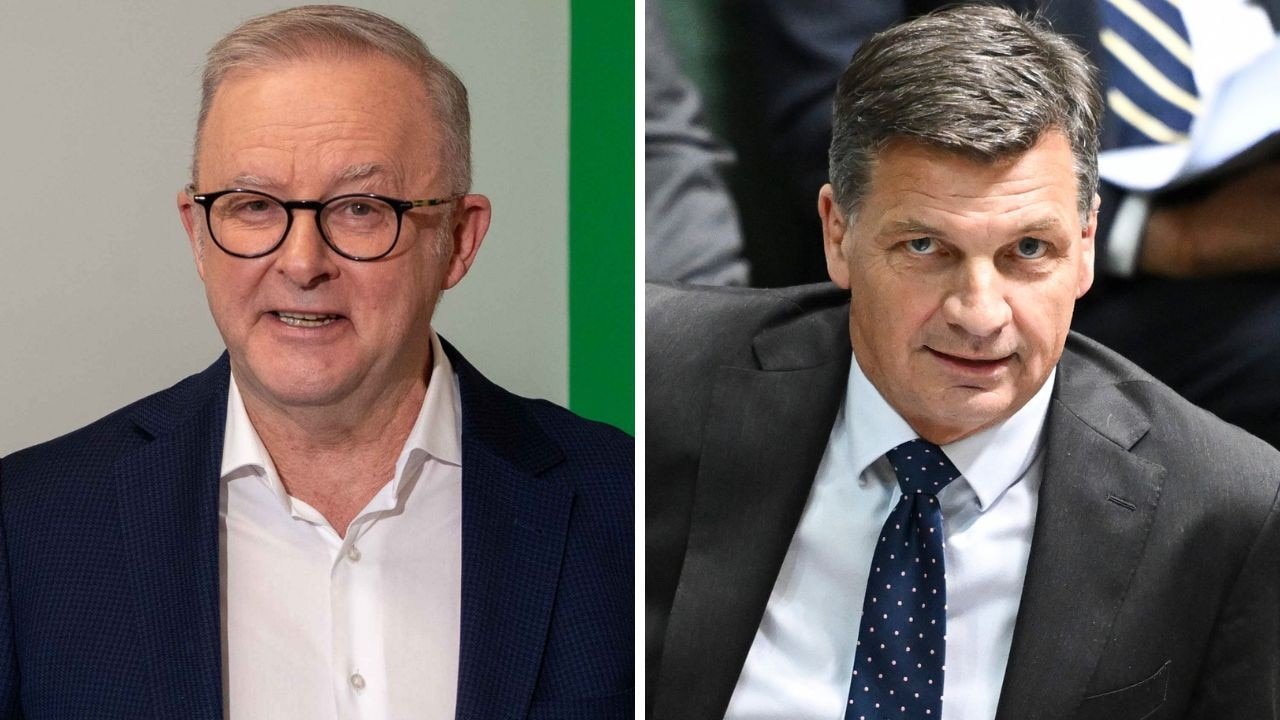
‘Absolutely No Interest’: Angus Taylor Accuses Albanese of Snubbing Offer to Fight Inflation as Rates Hit 18-Year High and Families Pay $500 More Every Month
- Rates have climbed to 4.85 per cent after the Reserve Bank’s fifth hike, the highest level in 18 years
- Opposition Leader Angus Taylor says his offer to work with the Prime Minister on spending cuts has been ignored
- Taylor says the Coalition has put $31 billion in savings on the table and wants commodity windfalls banked in a new Future Generations Fund
- Anthony Albanese, speaking from the Caribbean, says his government has already found about $180 billion in savings
Australian families opening their mortgage statements this month are paying more than $500 a month above what they paid in January.
That is real money. It covers a week of groceries, a power bill or a child’s sports fees.
For many households, it is the gap between staying afloat and falling behind.
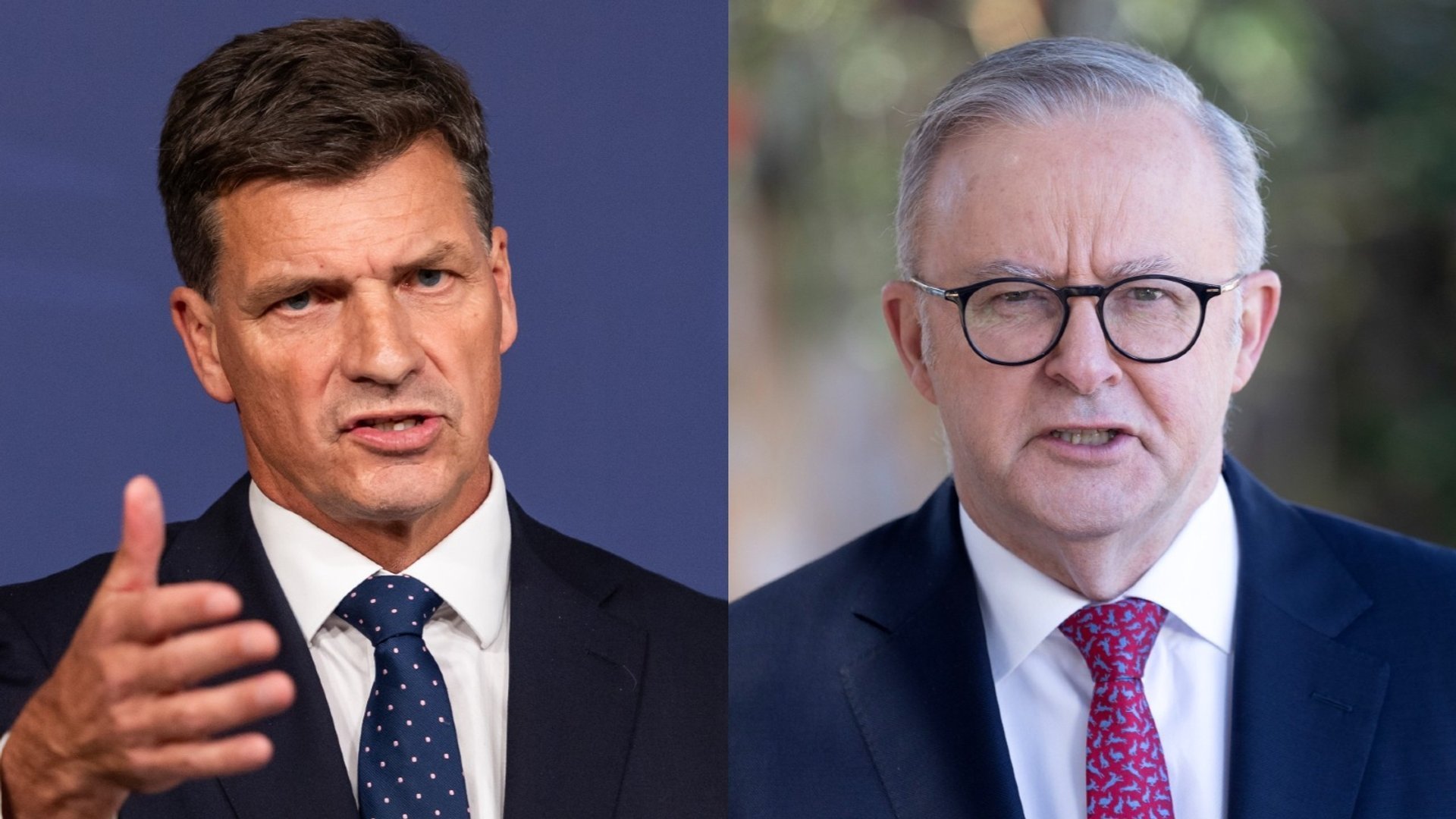
Now a fierce political fight has broken out over who is to blame.
Opposition Leader Angus Taylor says the Albanese Government has shown ‘absolutely no interest’ in a joint effort to bring inflation under control. He says he offered the Prime Minister a hand, and that offer has gone nowhere.
Taylor made the comments on Sunrise on Wednesday. It came just a day after the Reserve Bank of Australia raised the cash rate again, this time to 4.85 per cent.
It was the fifth increase in the current cycle and pushed borrowing costs to their highest level in 18 years.
His central claim is simple. Canberra is spending too much.
That spending keeps inflation high, and the central bank responds by raising interest rates.
He said government spending needed to be contained because it was making life harder for ordinary Australians.
The Coalition recently released a package of proposed savings worth $31 billion. Taylor called it a ‘massive down payment’ on fixing the inflation problem and said the cuts would make a ‘material difference’ to the economy.
He said the package would not stand alone. The Opposition also wants to set up a Future Generations Fund.
Under that plan, windfall revenue from strong commodity prices, especially iron ore, would go towards paying down federal debt rather than being spent.
Taylor argued that the recent resources boom had delivered large windfalls to the Budget. In his view, that money should have been used to reduce debt and ease the pressure on prices and rates.
He also wants to bring back the Charter of Budget Honesty. He says it would force the government to be more open about how it spends taxpayers’ money.
The Opposition Leader compared the government with struggling families. He said households were tightening their belts and making painful choices, but the government had not shown the same discipline.
All Australians were getting from the government, he said, was excuses.
Taylor said he had offered to cooperate on spending restraint soon after becoming leader, and had raised it with Albanese directly.
His sharpest point came when he referred to the Reserve Bank Governor.
According to Taylor, the Governor made clear on Tuesday that the latest increase was not driven by oil prices or the conflict in the Middle East.
He said that undercut the government’s explanation, and that rates were rising because spending had got out of hand.
He accused the Prime Minister of being ‘always in denial’. He said the cause of the problem was well understood and the Coalition knew how to fix it because it had done so before.
Albanese was in the Caribbean for the Commonwealth Heads of Government Meeting and pushed back strongly.
He said his government worked every day to strengthen the economy, including by engaging in global trade. He said it had found savings in every economic statement, about $180 billion in total.
He also said the Budget handed down earlier this year contained $60 billion in savings, which he described as more than any previous budget.
The clash shows how deep the divide has become. Both sides say they are the responsible economic managers.
Neither accepts the other’s figures. Meanwhile, the Reserve Bank keeps raising rates.
The Prime Minister’s absence overseas while rates hit an 18-year high will also give the Opposition an easy line of attack.
Analysis: What This Means for Australia
The biggest impact is on household budgets. A cash rate of 4.85 per cent affects every variable-rate mortgage in the country.
Extra repayments of more than $500 a month add up to more than $6,000 a year, taken from household spending.
That has knock-on effects. When mortgage holders cut back, local businesses feel it first.
Cafes, retailers and tradies can see demand fall quickly. A rate rise designed to cool the economy can hit small businesses and suburban shopping strips hard.
The housing crisis is also likely to worsen. Higher rates reduce how much buyers can borrow, making it even harder for younger Australians to buy a first home.
Renters may face pressure too, as investors pass on higher costs.
There are social costs as well. Financial stress affects relationships, mental health and family stability.
Charities and support services have repeatedly reported growing demand from working households, not just the unemployed.
There is also a broader question of economic resilience. Australia’s Budget relies heavily on resource revenue.
The debate over the Future Generations Fund raises the issue of what happens when commodity prices fall. Countries that save resource windfalls are often better protected when booms end.
The return of the Charter of Budget Honesty, if it happens, would also put more scrutiny on Treasury forecasts and election-year spending.
For the government, the political risk is clear.
If voters believe rates are rising because of decisions made in Canberra rather than events overseas, the cost of living debate could become its biggest problem.
Economic analysts say the argument over spending and inflation has become harder for the government to dismiss now that the central bank has pointed to domestic causes.
Some note that public spending makes up a large share of economic activity, which limits how much monetary policy alone can achieve.
Budget observers are more cautious. They say the size and timing of the cuts matter as much as the headline figure.
Cuts to frontline services could damage communities, while a $31 billion package spread over several years may do less to reduce inflation than claimed.
Housing and finance experts warn that mortgage holders have limited room to absorb further increases. Many borrowers who fixed their rates at record lows have already moved to much higher variable rates, and arrears are being watched closely.
Political strategists say the Opposition’s offer of cooperation is partly a tactic. If the government says no, Taylor can claim it refused to act.
If it says yes, the Coalition shares the credit.
For families paying more each month, the arguments in Canberra matter less than the results. They want to know when the rate rises will stop.
The answer depends on figures from the Australian Bureau of Statistics and the Reserve Bank’s next decision.