
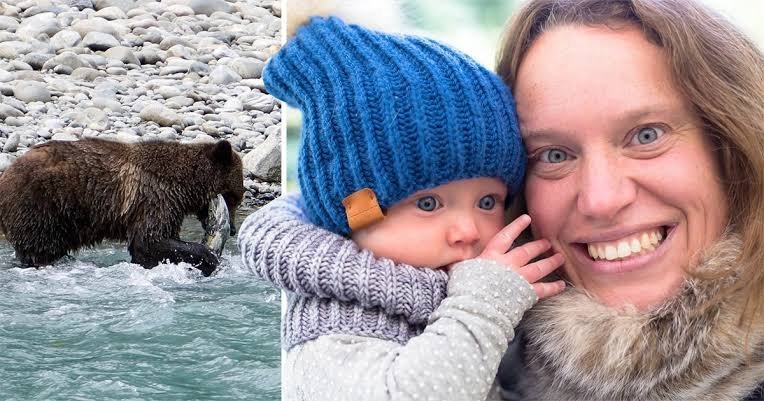
‘Her Whole Life Ahead of Her’: Pack of Grizzly Bears May Have Mauled Mother and 20-Year-Old Daughter to Death on Remote Canadian Trail as Hunt for the Killers Intensifies
- School counsellor Jenny Balcarras and her daughter Selah Reed, 20, were found dead after setting out on a walk near Einarson Lake in British Columbia’s Bella Coola region.
- Conservation officers now say more than one grizzly may have been involved, and every bear captured faces being destroyed under provincial rules.
- The deaths come almost a year after a grizzly charged a group of 20 schoolchildren and teachers in the same area. That animal was never caught.
- Experts blame shrinking habitat and a punishing drought for driving hungry bears closer to people, a warning with real lessons for Australians who travel to Canada’s wilderness.
They set out together for a walk in some of the most breathtaking country on Earth. Neither came home.
A mother and her young daughter have been killed in a savage grizzly bear attack on Canada’s rugged west coast, and investigators now fear they may have been set upon by more than one of the giant predators.
The tragedy has shattered a tight-knit family, stunned a remote valley community and sent a chilling message to every hiker who believes a well-worn trail means a safe one.
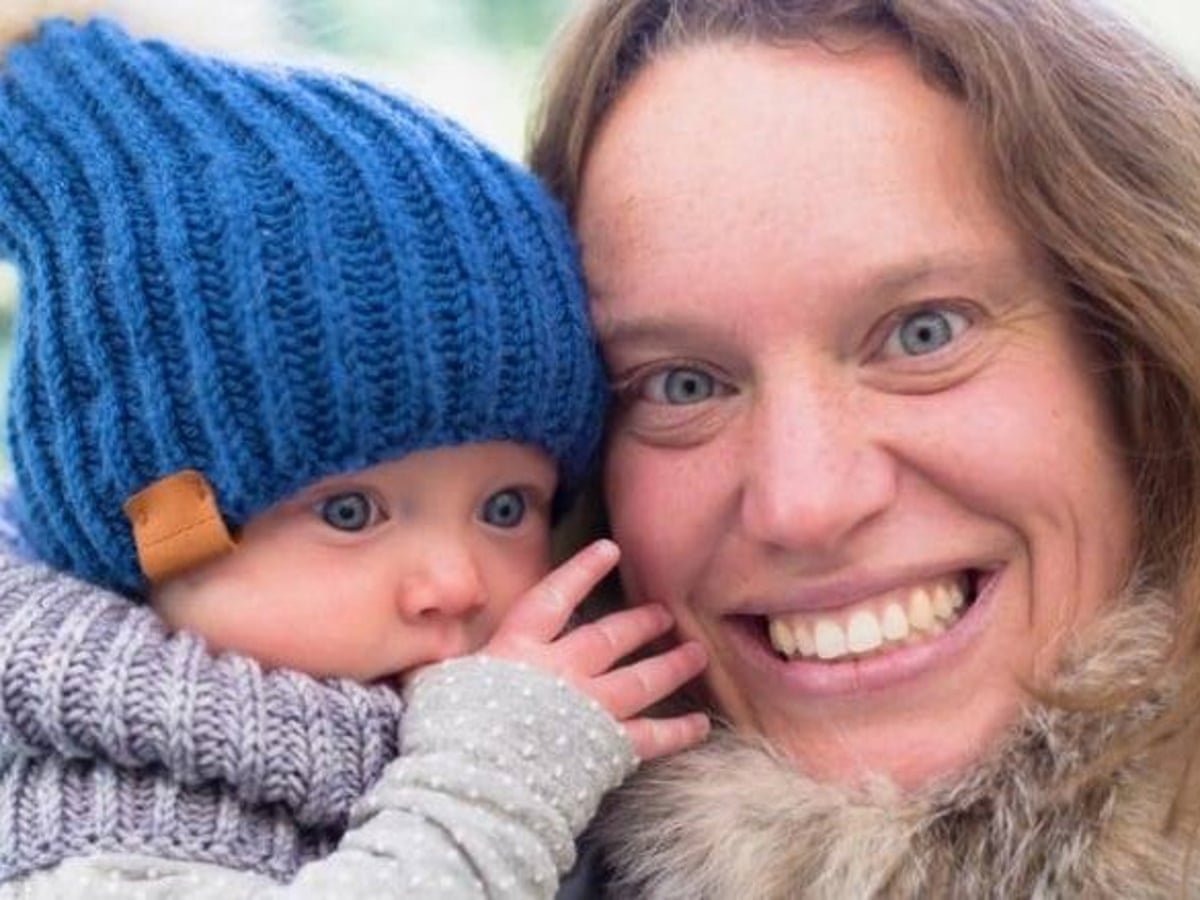
Jenny Balcarras, an art therapist who had recently started a new life as a school counsellor, and her 20-year-old daughter Selah Reed were reported missing by relatives on Sunday, local time.
Searchers found their remains soon afterwards near Einarson Lake, outside the small coastal settlement of Bella Coola in British Columbia.
The province’s Conservation Officer Service has launched an urgent operation to track down the animal, or animals, responsible.
Inspector Jeff Tyre said it remained unclear whether a single bear or several had carried out the attack. Any bears trapped during the search would be assessed, he said, and those captured would be put down in line with provincial guidelines.
He has urged walkers to stay well clear of the trail where the women died while the hunt continues.
For those who loved them, the loss is almost impossible to comprehend.
Relative Mary Melissa Smith, who launched an online fundraiser for the family, described Selah as a young woman with her entire future in front of her.
Ms Balcarras, she wrote, was a mother and a grandmother who had moved to Bella Coola to chase a fresh career. She leaves behind a son, two daughters and a grandson, who are now grappling with the devastating loss of their mother.
The appeal has a target of $CAD70,000 (about $71,500) and has already raised roughly 60 per cent of that sum as strangers rally behind the grieving family.
The Central Coast Teachers’ Association paid tribute to Ms Balcarras, who joined the local school community as a counsellor only in August.
In that short time, colleagues said, she poured countless hours into getting to know the students in her care and worked hand in hand with teachers and staff to support their wellbeing.
Bella Coola is no stranger to bears. The valley is famous for its large populations of both grizzlies and black bears, drawing wildlife photographers and adventure tourists from across the globe.
But the region’s natural splendour has a darker side, and locals have been living with it for some time.
Last November, a grizzly lunged at a group of 20 elementary school students and teachers in the same area. One adult and three children were left badly injured.
That bear was never captured.
Nearly twelve months on, residents are again staring down the terrifying reality that a deadly predator, or several, could be roaming the forests near their homes.
Kim Titchener, founder of Calgary-based Bear Safety & More Inc, said bears are frequently seen wandering close to residential streets in Bella Coola.
She pointed to two converging pressures: the steady loss of bear habitat and the food stress caused by an ongoing drought across the region. Together, she said, they are fuelling more confrontations between bears and people.
In plain terms, hungry animals are travelling further, and taking greater risks, to find something to eat.
Analysis: What This Means for Australia
Australians are among the most enthusiastic visitors to Canada’s national parks and backcountry trails, drawn by ski seasons, working holidays and bucket-list hiking adventures in British Columbia and the Rockies.
Yet many arrive with little understanding of large predators.
Our native wildlife can be deadly, but nothing in the Australian bush compares to a charging grizzly, an animal that can outrun a person and weigh several hundred kilograms.
This tragedy is a stark reminder that local knowledge matters.
Travellers are urged to check official advice through Smartraveller and to heed park closures and warnings issued by authorities such as Parks Canada before setting foot on any trail.
There is also a broader lesson. The drivers identified by experts in Bella Coola, drought, habitat loss and food scarcity, are pressures Australians understand all too well.
Our own encounters with wildlife, from crocodiles in the north to snakes and stressed native animals in drought-hit regions, are shaped by the same forces linked to climate change and land clearing.
Wildlife authorities here face similar dilemmas to their Canadian counterparts: when an animal kills, should it be destroyed? And what does it say about the way communities have expanded into wild places?
For the growing number of young Australians on working holiday visas in Canada’s resort towns, the stakes are personal. Many hike alone or in pairs, often without bear spray or training.
Wildlife safety observers say the single biggest risk factor for foreign visitors is complacency, the assumption that a popular path near a town is somehow immune from danger.
Outdoor safety specialists believe travellers should carry bear deterrent spray, make noise on the trail, move in groups and treat any recent sighting as a reason to turn back.
Conservation insiders warn that destroying individual animals deals with the immediate threat but does little to address the underlying conditions pushing bears towards people.
Environmental analysts say that unless habitat pressure and drought-driven food shortages are tackled, attacks like this one are likely to become more frequent, not less.
For now, the search for the bears goes on, the trail near Einarson Lake stays off limits, and a family on the other side of the world mourns a mother, a grandmother and a 20-year-old who should have had decades still to live.