
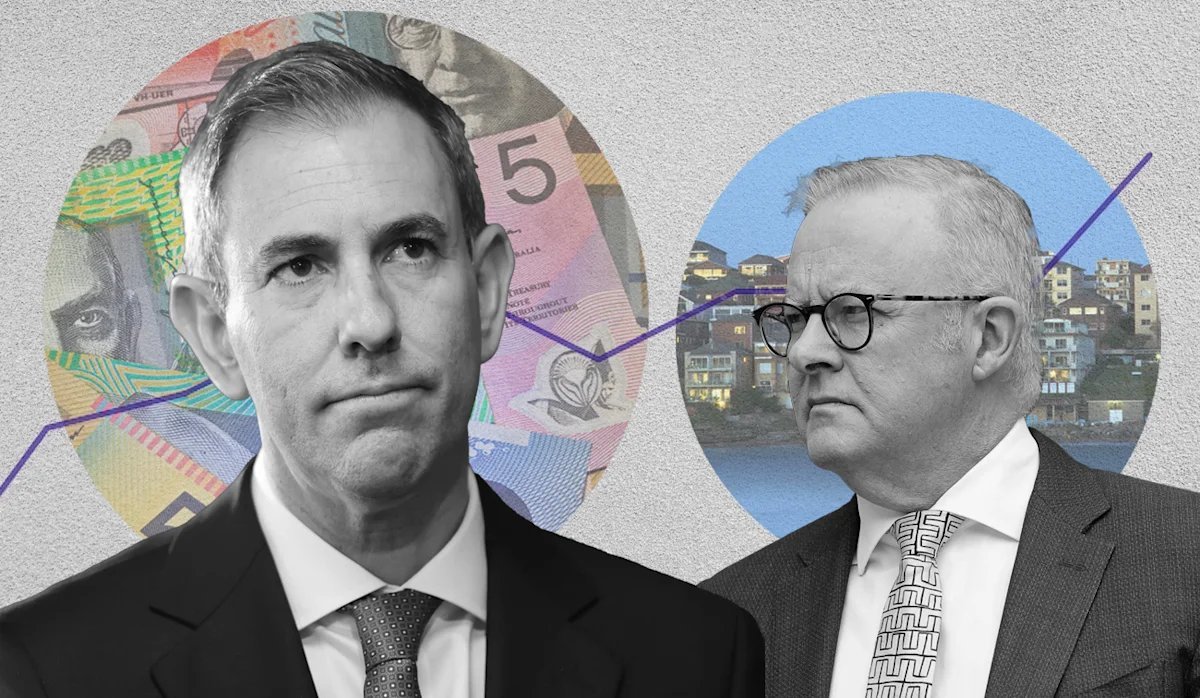
‘Hard Decisions’ Ahead: Albanese Warns of Budget Pain as Labor Turns on Its $20 Billion Consultant Habit and Mortgage Holders Brace for Another Rate Hike
- Anthony Albanese has conceded his government faces “hard decisions” as pressure grows over Canberra’s contribution to stubborn inflation.
- Finance Minister Katy Gallagher has vented frustration that some federal agencies have ignored orders to cut back on costly consultants and contractors.
- The Commonwealth spends roughly $20 billion a year on its external workforce, and an audit found Labor’s plan to reduce outsourcing has been only partly effective.
- Labor says $10 billion in savings, including a rollback of the private health insurance rebate for over-65s, is stuck in the Senate, while the Coalition says it will not “dud older Australians”.
For millions of Australian households already counting every dollar, the message from Canberra this week was blunt. The pain is not over.
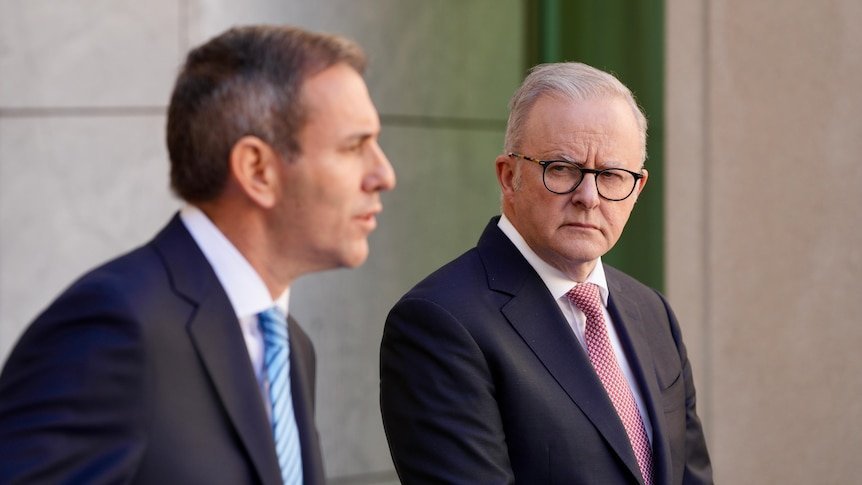
Prime Minister Anthony Albanese has admitted his government will have to make “hard decisions” in the months ahead. The admission comes as economists, the Opposition and anxious borrowers question whether Labor’s spending is helping to keep inflation uncomfortably high.
The stakes could hardly be higher. If Canberra does not rein in its spending, the risk of another interest rate rise grows.
If it does, someone, somewhere, will feel the squeeze.
The battleground is December’s mid-year budget update. Government insiders now concede it will produce few, if any, winners.
Mr Albanese has tried to draw a line around the services voters care about most. He insisted his government had always been fiscally responsible and would take appropriate action, but he ruled out stripping money from hospitals and classrooms.
“We won’t rip money out of health or schools,” he said.
That leaves Finance Minister Katy Gallagher hunting for savings elsewhere. She has made her first target clear: the army of consultants, contractors and labour-hire workers propping up the federal bureaucracy.
Senator Gallagher told a Senate Estimates hearing last week that she had not seen the drop in consultancy spending she had hoped for. She said her frustration had become serious enough to raise directly with her ministerial colleagues.
She said she was not convinced every agency had done what the government had asked. Outsourcing was expensive and widespread, she acknowledged.
The government had never promised to spend nothing in the area, but she wanted to see a far greater effort to bring the bill down.
The figures behind her irritation are staggering. According to the latest audit report, the Commonwealth spends about $20 billion every year on its external workforce.
The same report delivered an awkward verdict for Labor. It found the government’s framework to cut outsourcing, by rebuilding skills inside the Australian Public Service, had been only partly effective.
For a party that came to power promising to end what it called an over-reliance on the big consultancy firms, that is an uncomfortable finding.
Labor’s crusade against consultants did not begin in a vacuum.
The former Coalition government was accused of hollowing out the public service, capping staff numbers while handing lucrative contracts to private firms to do work once done in-house.
Those concerns became a national scandal in 2023, when the PwC tax leaks affair revealed how confidential government information had been misused inside one of the country’s biggest advisory firms.
Public anger forced a reckoning across Canberra, and Labor promised a cleaner, leaner and more self-reliant bureaucracy.
More than three years on, the audit’s findings suggest the habit has proven hard to break.
At the same time, the wider fiscal picture has darkened. Public spending as a share of the economy is at its highest level in about 40 years, outside the extraordinary emergency of the pandemic.
That number has handed the Opposition a powerful weapon. Coalition figures argue that a big-spending government is working against the Reserve Bank of Australia as it fights to bring prices under control.
Analysis: What This Means for Australia
At its heart, this fight is about who pays for inflation, and how.
When government spending runs hot, it adds to demand across the economy. That can make it harder for the Reserve Bank to cool prices without lifting interest rates.
For a family with a large mortgage, even one more rate rise can mean hundreds of extra dollars a month.
That is the trade-off Labor now faces: the political pain of spending cuts against the household pain of higher borrowing costs. Neither option is free.
Targeting consultants is, in political terms, the path of least resistance. Few voters will march in the streets to defend Big Four advisory fees.
Yet a $20 billion external workforce is not easily dismantled. Many agencies rely on contractors for specialist skills, from IT systems to cyber security and defence projects, that the public service cannot replace overnight.
Cut too fast, and critical government functions could suffer. Cut too slowly, and the savings will not arrive in time to ease inflation pressures.
There is also a broader social question. Older Australians, many on fixed incomes, are now at the centre of a parliamentary standoff over the private health insurance rebate.
That puts the cost of living crisis squarely in the homes of retirees.
Senator Gallagher has accused the Opposition of hypocrisy. She says about $10 billion worth of Labor savings measures, including winding back the rebate for over-65s, is stalled in the Senate.
“Those who are saying cut government spending could perhaps pass some of the legislation that is seeking to do just that,” she said.
Opposition Leader Angus Taylor has rejected that argument outright.
He says the change would not save money at all, but would simply shift costs onto stretched state and territory health systems as older people drop their private cover.
“We are not going to dud older Australians and push costs into the public health system,” he said.
Budget analysts say the consultant crackdown is welcome but unlikely to move the dial on its own. They argue the real test of Labor’s fiscal credibility will be whether it is willing to make deeper structural savings in the December update.
Public sector observers warn that agencies have grown dependent on outside help after years of staffing restrictions. They believe reversing that trend will take sustained pressure from the top, not just frustrated comments at Senate Estimates.
Economic commentators say the dispute over the health insurance rebate shows how hard it is to agree on what counts as a genuine saving. One side calls it responsible reform.
The other sees cost-shifting dressed up as restraint.
Financial markets and the Reserve Bank will be watching closely. So will the millions of Australians whose monthly repayments may depend on what Canberra decides next.
For now, the Prime Minister’s warning hangs over the nation. Hard decisions are coming.
The only question is who will be asked to carry them.