
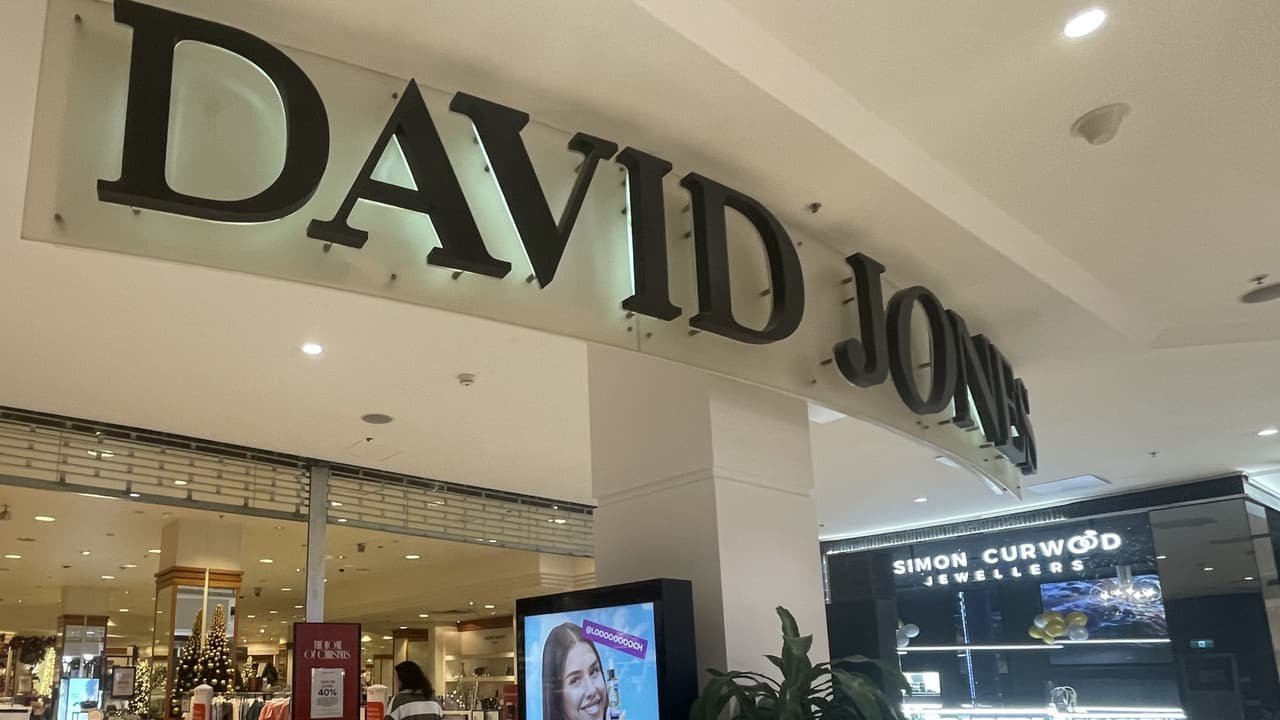
‘End of an Era’: 188-Year-Old Retail Giant David Jones Collapses Into Administration Weeks Before Christmas as Westfield Rent Talks Implode and Thousands of Workers Fear for Their Jobs
- David Jones, the country’s oldest department store, has been placed in administration after rent talks with landlord Westfield collapsed, putting its 38-store national network at risk.
- At least five loss-making Westfield sites, from Perth’s Carousel to Melbourne’s Southland, are reportedly in line for closure as receivers move to shrink the chain.
- Staff will keep being paid for now, but receivers are still examining unpaid entitlements, and the retail union is fighting to save as many jobs as it can.
- Business leaders warn the collapse is a stark signal of an economy in which costs are outpacing what Australian retailers can absorb.
For generations of Australians, it was where you bought your first good suit, your wedding china, the perfume your mother wore. It was the Christmas windows.
It was an occasion.
Now, with the festive season only weeks away, that institution is fighting for its life.
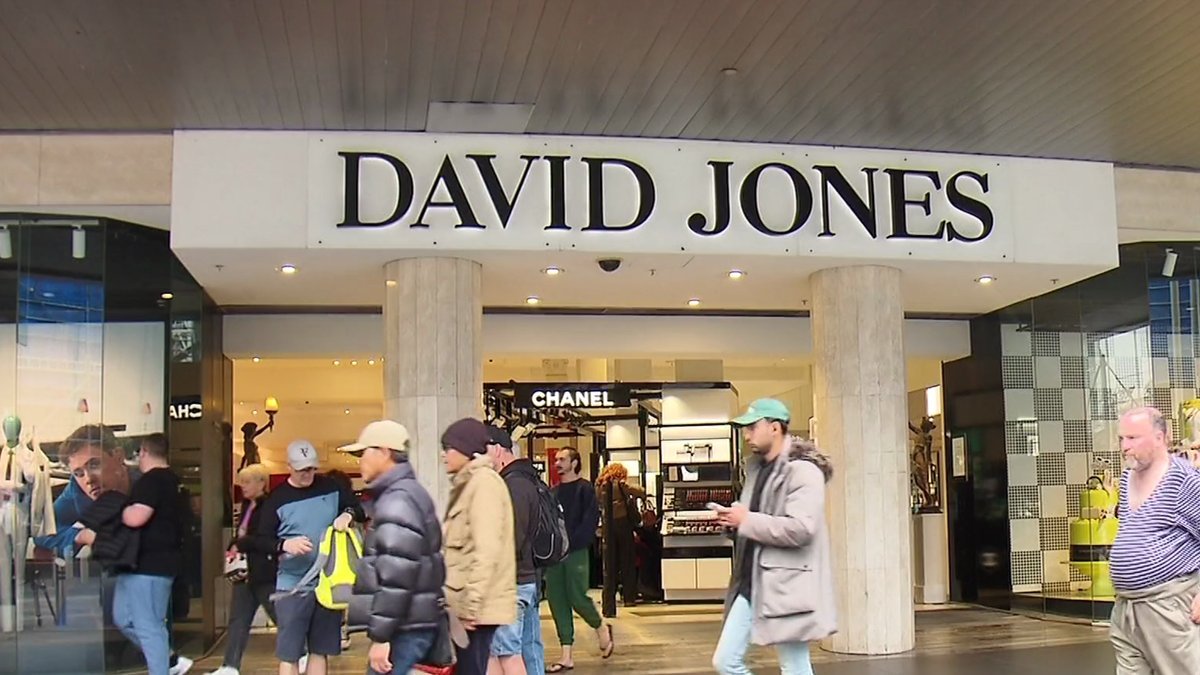
David Jones, a retailer that has traded since before Federation, has fallen into voluntary administration. The collapse leaves thousands of workers, hundreds of suppliers and millions of loyal customers facing an uncertain summer.
The decision followed the breakdown of crucial negotiations with Westfield, one of the chain’s most important landlords. The retailer had fallen behind on its rent.
Chief executive Erica Berchtold delivered the grim news to employees in person at the company’s Melbourne head office. Restructuring firm McGrath Nicol has been appointed as voluntary administrator.
A second, parallel process has also begun.
Lender Hilco Capital has used its rights as a secured creditor to install Christopher Hill, David McGrath and Joanne Dunn of FTI Consulting as joint and several receivers and managers, a move designed to protect its loans.
Those receivers now hold what they describe as ultimate control over the group’s trading, property and affairs. Both the physical stores and the online business will keep operating while the receivers review the chain’s operations.
Ms Berchtold described David Jones as an iconic company woven into the memories of countless Australians.
She thanked customers, staff and partners, and said management had a well-developed plan to reset the business and would work alongside the administrators, receivers and the secured lender to pursue it.
But a smaller footprint appears unavoidable.
In a letter to staff, Mr McGrath flagged that steps to shrink the retail network were likely in the near term, with workers and unions to be consulted once decisions were made.
Five Westfield outlets have already been named as candidates for closure because they are losing money: Carousel in Perth, Parramatta and Hornsby in Sydney, Woden in Canberra and Southland in Melbourne.
Hilco said it had backed the business with extra funding and flexibility while owner Anchorage Capital Partners and management explored their options. Those negotiations ultimately failed, the lender said, leaving directors no choice but to call in administrators.
Hilco has pledged to keep the chain trading while it is recapitalised and new owners are sought.
The collapse did not come out of nowhere.
Mr Hill pointed to a brutal combination of pressures: a difficult trading climate, rising costs, a large and outdated store network, and persistent supply chain problems.
He acknowledged that difficult decisions lay ahead.
Department stores worldwide have been squeezed for more than a decade by online shopping, fast-fashion competitors and shoppers who no longer see a trip to a vast multi-level emporium as a weekend outing.
David Jones, with its sprawling flagship sites and premium leases, has been especially exposed.
Macquarie University retail analyst and associate professor Matthew Bailey said the troubles had been building for years.
He noted the business had been absorbing losses in the millions annually, and that while a turnaround was possible, it would be attempted from a position of weakness.
Analysis: What This Means for Australia
The fall of David Jones is far more than a corporate story. It is a warning light flashing across the entire Australian economy.
The most immediate impact lands on workers.
Retail remains one of the nation’s biggest employers, and store closures in suburbs such as Parramatta, Hornsby and Woden would hit local communities already grappling with the cost of living crisis.
The Shop, Distributive and Allied Employees Association (SDA) said its first priority was preserving jobs. National secretary Gerard Dwyer said the union would work to protect and prioritise the legal and financial entitlements of anyone made redundant.
He also welcomed the federal government’s payday super reforms, which he said would shield workers from losing as much as three months of unpaid superannuation when a company fails.
Suppliers are the next domino.
Fashion labels, beauty brands and homewares makers, many of them small Australian businesses, now face anxious weeks wondering whether they will be paid for stock already delivered.
Then there is the property sector. Charter Hall Long Wale REIT, which owns half of the landmark Elizabeth Street store in Sydney, said it was assessing the implications.
The asset contributes around 4 per cent of its net property income, and the trust holds a bank guarantee covering roughly 12 months’ rent. It said its FY27 earnings and distribution guidance, issued on 13 August 2026, remained unchanged.
Mall owners nationwide will be watching closely. When an anchor tenant goes dark, the drop in foot traffic can ripple through smaller neighbouring retailers.
Australian Chamber of Commerce and Industry chief executive Andrew McKellar said the collapse showed how badly the country needed serious economic reform, warning that businesses were facing costs rising faster than they could absorb, with higher interest rates set to make matters worse.
Shoppers, too, should be wary.
Consumer advocates typically advise caution with gift cards, lay-bys and pre-paid orders whenever a retailer enters administration, and regulators such as the Australian Securities and Investments Commission publish guidance on creditor rights.
Industry observers believe the chain will be pared back to a leaner core. Dr Bailey said outer-suburban stores were likely to go, with any remodelled business concentrating its upmarket offering in wealthier areas.
He argued the brand needed fresh investment, a return to genuine customer service and a more enjoyable in-store experience.
MST Marquee senior analyst Craig Woolford, whose firm has modelled which stores could be at risk, wrote that the implications of the administration were far reaching.
Retail insiders warn that the true test will be finding a buyer willing to gamble on an ageing business model in a punishing market. Restructuring specialists say a smaller, sharper David Jones could survive, but only if the new owners move quickly and decisively.
Economists caution that further retail collapses are likely if consumer spending stays weak and operating costs keep climbing.
For now, the doors remain open and the Christmas lights are still on.
But as Dr Bailey observed, department stores have been a cherished part of Australian life, and millions will be hoping this one is not about to become a memory.