
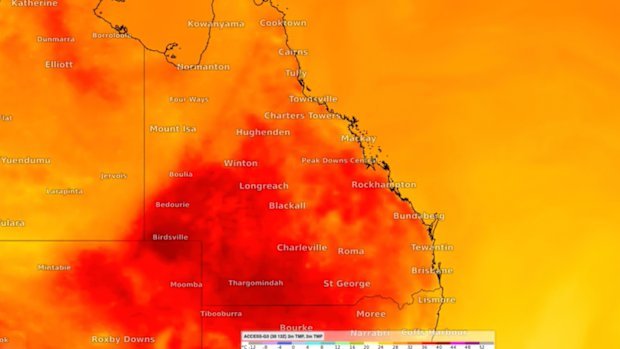
‘Dangerous’ Heatwave Grips Queensland as Temperatures Near 40C, Remote Cape York Communities Brace for Days of Punishing Heat and Brisbane Faces a 17-Degree Plunge
- A severe heatwave warning now covers a vast stretch of northern Queensland, from Cape York to the Whitsundays, with inland areas tipped to reach 40C.
- Remote communities including Aurukun, Kowanyama, Pormpuraaw and Weipa face conditions expected to worsen through the weekend and into next week.
- Nights offer little relief, with overnight minimums sitting in the mid-20s and leaving bodies no chance to recover.
- Brisbane sweltered through 36C before a dramatic temperature drop of around 17 degrees in a matter of hours.
Summer has not officially arrived. Queensland’s thermometers have not waited for it.
Across the Sunshine State, millions of residents have spent the week sweating through an early-season heatwave that has pushed temperatures towards 40C, turned homes into ovens and prompted urgent safety warnings for the young, the elderly and the sick.
For some, relief is close. For others, particularly those in the state’s remote north, the worst may still be ahead.
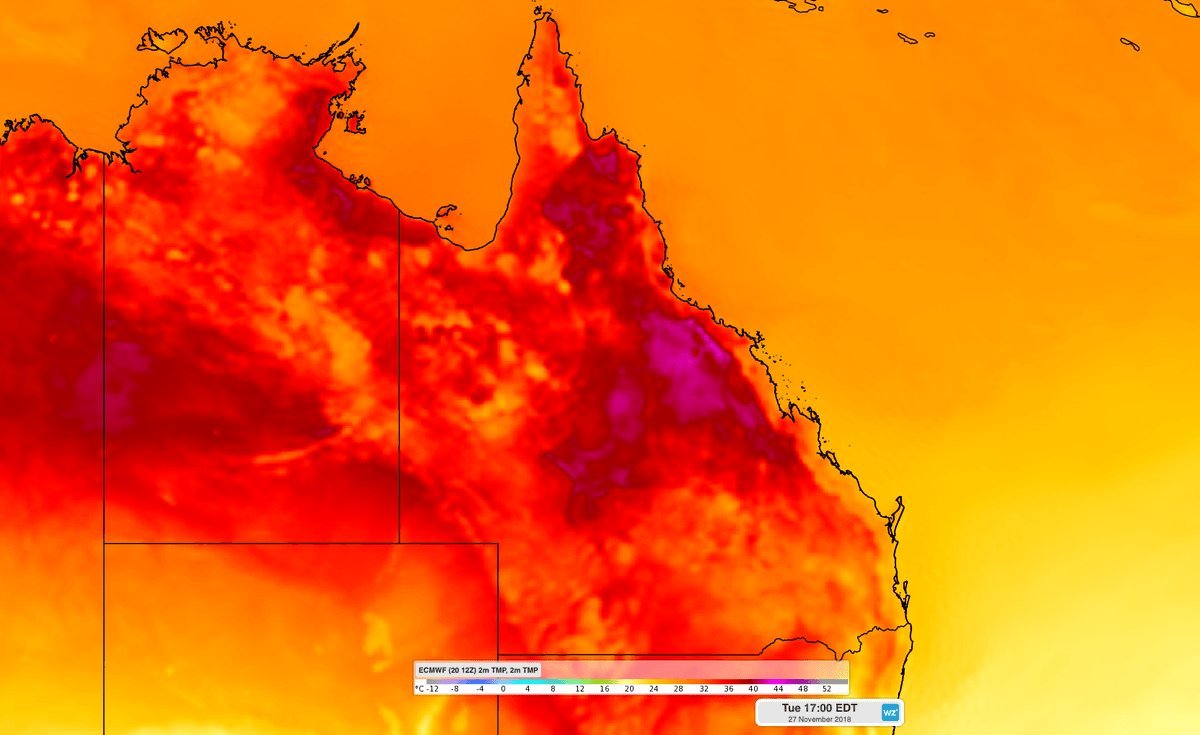
The Bureau of Meteorology has issued a severe heatwave warning across a large slice of northern and central Queensland.
The affected districts include the Peninsula, Gulf Country, Northern Goldfields and Upper Flinders, North Tropical Coast and Tablelands, Herbert and Lower Burdekin, and Central Coast and Whitsundays.
Inland parts of those regions are expected to record maximums in the high 30s, with some places nudging the low 40s. Crucially, overnight temperatures are forecast to remain around the mid-20s.
Closer to the coast and on higher ground, daytime maximums are predicted to range from the high 20s to the high 30s, with minimums from the high teens to the mid-20s.
In the south-east, Brisbane hit 36C on Thursday, while the Gold Coast and Sunshine Coast both reached 34C. The capital, however, was forecast to swing sharply cooler by Friday, with temperatures expected to fall by around 17 degrees within just a few hours.
Bureau forecaster David Crock said clear blue skies would dominate southern Queensland and much of the east coast on Friday. But he cautioned that warmer air would linger further north, keeping central and northern Queensland between two and six degrees above average.
Major centres along the coast, including Rockhampton, Mackay, Townsville and Cairns, were expected to climb into the 30s, with Townsville and Cairns forecast to reach around 33C.
Mr Crock noted that showers and storms were largely limited to Queensland’s far west, where temperatures were soaring into the 40s, and that severe heatwave conditions across many northern districts were set to persist throughout the week.
The bureau has warned those conditions will continue and intensify into the weekend and early next week, with Aurukun, Kowanyama, Pormpuraaw and Weipa among the locations likely to bear the brunt.
This week’s heat is not simply a run of uncomfortable days. It is a reminder of a threat Australians too often underestimate.
Bushfires, floods and cyclones dominate headlines with dramatic imagery. Heatwaves, by contrast, arrive quietly.
There are no roaring flames, no rising rivers.
Yet health authorities have long regarded heatwave events as among the most dangerous natural hazards in the country, precisely because their toll is so easily overlooked.
Early-season heat poses a particular risk.
Bodies that have not yet adjusted to summer conditions are less able to cope, and many households have not prepared their homes or routines for extreme temperatures in November.
The broader backdrop of climate change has also sharpened scrutiny of how often these events occur, how early they begin and how intensely they strike.
Analysis: What This Means for Australia
The most confronting aspect of this heatwave is not the daytime peak. It is the night.
When overnight temperatures stay in the mid-20s, the human body gets no chance to cool and recover. Heat stress accumulates day after day.
For older Australians living alone, for infants, and for people managing chronic illness, that cumulative strain can turn dangerous with little warning.
The bureau has singled out older people, babies, children, pregnant and breastfeeding women, people with medical conditions and anyone who is unwell as especially vulnerable.
The geography of this warning also matters.
Aurukun, Kowanyama, Pormpuraaw and Weipa are remote communities on Cape York and the Gulf, many of them predominantly Indigenous, where access to hospitals, cooling centres and reliable air-conditioning can be limited.
Distance turns a medical emergency into a logistical one.
There is an economic dimension too. Air-conditioning is the frontline defence against extreme heat, but running it costs money.
With cost of living pressures and energy prices still biting, some families face a grim calculation between comfort, safety and their power bill.
Emergency services and hospitals also feel the strain. Heat-related presentations, from dehydration to heatstroke, tend to rise during prolonged hot spells, adding pressure to regional health networks already stretched thin.
And for outdoor workers, farmers, tradies, miners and tourism operators across the north, the heat is not optional. It is the workplace.
Public health experts say the greatest danger in heatwaves is complacency, warning that people often fail to recognise early signs of heat illness in themselves or in vulnerable relatives until symptoms become severe.
Emergency management observers note that remote and regional communities typically face the longest response times during extreme weather, making preparation and community check-ins especially vital.
Energy analysts believe early-season heat events are a useful stress test for electricity networks, with high demand on hot evenings revealing how well grids may cope as summer deepens.
The bureau’s advice is straightforward. Residents are urged to find somewhere cool to shelter, whether at home or in a library, community centre or shopping centre.
Windows should be closed and blinds, curtains or awnings drawn early in the day to stop heat building up inside. Fans and air-conditioners should be used where available.
Further guidance on recognising and treating heat-related illness is available from Queensland Health.
Checking on elderly neighbours, keeping children and pets out of parked cars, and drinking plenty of water may sound like simple steps. In a heatwave of this intensity, they can save lives.
Brisbane may be breathing a sigh of relief. But for thousands of Queenslanders in the far north, the long, hot wait goes on.