
Grim Breakthrough in Tasmania as Volunteer Searchers Find Suspected Human Remains in Hunt for Missing George Town Man Michael Vrankovic, Raising Hard Questions About Who Really Finds Australia’s Lost
- A civilian search crew discovered suspected human remains on the very first day of its search for Michael Vrankovic, who has not been seen since January.
- Police say forensic tests point to the remains of an adult, but formal identification could take several weeks, leaving a family in agonising limbo.
- The same grassroots group, born out of the hunt for Belgian backpacker Celine Cremer, has now found human remains in at least three separate cases.
- The discovery is renewing debate over whether ordinary Tasmanians are filling gaps that authorities can no longer cover alone.
For months, his face stared out from a missing persons notice. Months of silence, of unanswered calls, of a family left wondering.
Now, in the rugged bushland of northern Tasmania, that silence may finally have been broken. And it was not a police squad or a helicopter crew that made the discovery.
It was a team of volunteers.
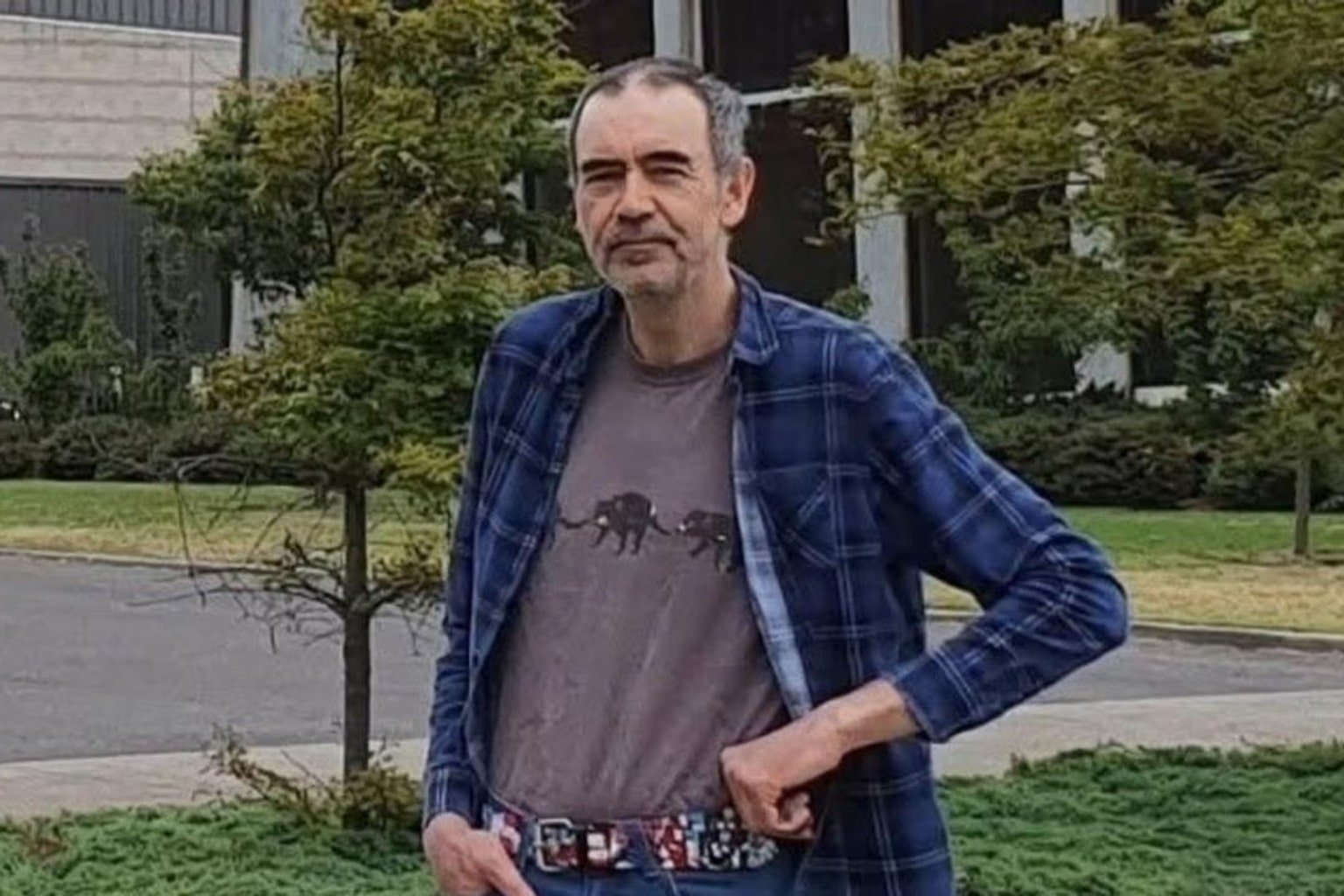
Suspected human remains have been found during a civilian-led search for Michael Vrankovic, the George Town man who disappeared in January this year. The find is a heartbreaking development for those who love him, and it is fuelling a wider conversation about how Australia searches for its missing.
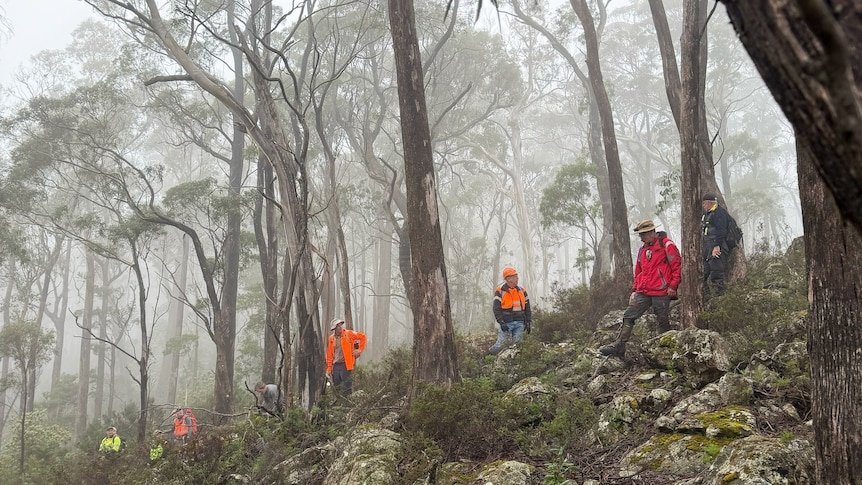
The breakthrough came from FOLLO, short for Find Our Lost Loved Ones, a volunteer organisation that had launched its search for Mr Vrankovic that same day.
According to Tasmania Police, one of the searchers alerted officers immediately after stumbling upon the remains. Detectives and forensic specialists were dispatched to the scene in the state’s north.
Officers have been careful not to jump to conclusions. Forensic examination has not yet been finalised, though police say early indications suggest the remains belong to an adult human.
Inspector Melanie Groves cautioned that no formal identification had yet taken place. She warned the process would not be quick, and could stretch out over several weeks.
A report is being prepared for the Coroners Court of Tasmania, which will ultimately determine the identity of the person and, where possible, the circumstances of their death.
Mr Vrankovic’s disappearance was listed on the national missing persons register coordinated by the Australian Federal Police.
Official records cite dates in mid-January as the last point anyone knew of his whereabouts in the George Town area, a small port community at the mouth of the Tamar River.
For the people of George Town, the news lands heavily. In close-knit regional towns, a disappearance is never anonymous.
Neighbours know the family. Locals remember the last sighting.
The search becomes everyone’s burden.
To understand why a volunteer group was out combing the bush in the first place, you have to go back to one of Tasmania’s most haunting cases.
Belgian tourist Celine Cremer vanished in the state’s remote north-west in 2023, sparking a massive search effort and international attention. When official operations wound down without answers, a band of determined volunteers kept going.
It was those civilians who eventually located her remains, bringing a measure of closure to a grieving family on the other side of the world.
That success gave birth to FOLLO. What began as a single-minded mission became an organisation dedicated to helping families who refuse to stop looking.
And its track record has grown grimly impressive. During a separate search for Scottsdale man Peter Willoughby, who had been missing since October 2025, FOLLO volunteers again uncovered human remains.
Now, with the Vrankovic discovery, the group has been involved in recovering remains in three distinct cases. It is a pattern that is impossible to ignore.
Analysis: What This Means for Australia
Every year, tens of thousands of people are reported missing across the country. Most are found quickly.
But a stubborn number are not, and their families are left with a wound that never fully closes.
The Tasmanian experience raises a confronting question: are formal search operations, constrained by budgets, staffing and strict time limits, leaving gaps that volunteers are now stepping in to fill?
Police search-and-rescue operations are typically scaled back once the probability of finding someone alive falls sharply. That is a hard but rational decision.
Resources must be redirected to living emergencies, ongoing crime investigations and community safety.
Yet for families, the end of an official search rarely marks the end of their need for answers. Without a body, there is often no funeral, no inquest finding and, in some cases, legal and financial uncertainty that can drag on for years.
Groups like FOLLO are effectively operating in that void. Their work carries real benefits, but also real risks.
Untrained civilians in dangerous terrain can get hurt. Evidence must be handled properly so that coronial and potential criminal investigations are not compromised.
The fact that the searcher in this case contacted police straight away is exactly the protocol authorities want to see.
There are broader implications too. Regional and remote communities, already stretched when it comes to regional policing and emergency services, increasingly rely on community goodwill.
If that reliance deepens, governments may face pressure to formally fund, train or accredit volunteer searchers, much as the State Emergency Service model already does for floods and storms.
The social toll should not be underestimated either. Every unresolved missing persons case ripples through families, workplaces and towns, feeding into the wider mental health burden carried by those left behind.
Law enforcement insiders warn that volunteer searches, while invaluable, must work hand-in-hand with police rather than in parallel. Coordination, they say, protects both the searchers and the integrity of any eventual investigation.
Search-and-rescue observers believe Tasmania’s terrain, with its dense scrub, steep gullies and rapidly changing weather, makes it one of the most difficult places in the country to locate a missing person once the initial search window closes.
Community advocates argue the success of FOLLO demonstrates the value of persistence. Long after official teams move on, they say, it is often local knowledge and sheer stubbornness that deliver results.
Forensic specialists note that identification of remains discovered after a long period can be painstaking, often requiring DNA comparison with relatives or dental records. That explains why police are refusing to rush any confirmation.
For now, the family of Michael Vrankovic must wait. The weeks ahead will be filled with the kind of dread no one should have to endure.
But if the remains are confirmed to be his, it will be because a group of ordinary Tasmanians decided that no one should be left out there alone.