
Lip Gloss and Black-Market Smokes: Bondi Beauty Brand Selling ‘Clean’ Skincare Referred to Health Regulators After Apparent Illicit Cigarettes Spotted on Silver Platter at Glamorous Launch Party
- A Sydney beauty label that markets itself as vegan and “free from skin irritants” has been referred to NSW Health after photos from its Bondi launch appeared to show loose cigarettes served alongside lip gloss and wine.
- The sticks appear to be a Manchester-branded line that is widely sold on the black market, with none of the graphic health warnings required by law.
- Companies face fines of up to $7.2 million under federal law for criminal tobacco advertising or sponsorship.
- A leading tobacco control expert says the episode shows smoking’s glamorous comeback is no longer just a red-carpet trend. It has reached Australia’s most famous beach.
It was meant to be a celebration of soft, glossy lips.
Instead, it may have become a case study in how black-market tobacco is slipping out of the shadows and onto the social media feeds of young Australians.
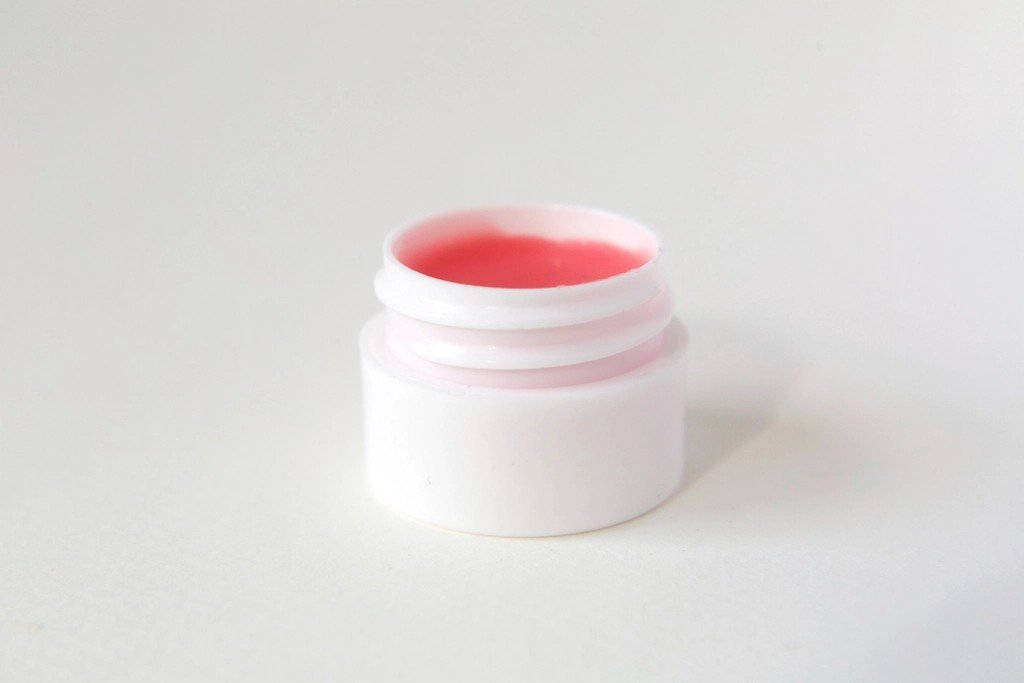
A tiered silver platter. A bowl of freshly launched lip glosses.
Glasses of wine. Branded matchboxes.
And, sitting among them in plain view, what appear to be loose cigarettes with no health warnings on the filters.
The images are now in the hands of state health regulators.
Copini Beauty, the label co-founded by influencer Casey James and product developer Carla McGraw, held an event earlier this month at a venue in Bondi to unveil its new soft gloss.
The brand shared a carousel of photos on Instagram, captioned as a celebration of the launch “with our community”.
The pictures, which also feature in a highlight reel pinned to the brand’s official Instagram page, appear to show the cigarettes laid out as part of the display, with Copini-branded matches close at hand.
Health Minister Ryan Park’s office says the incident is now in the hands of the department’s tobacco enforcement unit. That unit has the power to inspect premises, seize illicit stock, issue fines and prosecute offenders, working alongside both state and federal authorities.
The brand has not answered questions about the event.
The federal Department of Health and Aged Care said it was deeply concerned about any promotion that glamorises smoking or helps normalise tobacco use, particularly where it could reach young people.
A spokesperson said tobacco products had no appropriate place as a promotional prop, and noted that the government had strengthened the nation’s laws specifically to reduce the visibility of smoking.
Allegations of non-compliance are taken seriously, the spokesperson added.
The stakes are enormous: the maximum federal penalty for criminal tobacco advertising or sponsorship is $728,000 for an individual and $7.2 million for a company.
The legal problems potentially stack up on several fronts. NSW’s 2023 tobacco public health legislation makes any form of smoking promotion or advertising an offence.
Handing out complimentary cigarettes is outlawed for businesses under both NSW and Commonwealth legislation.
Then there is the question of where the cigarettes came from.
Every legal cigarette sold in Australia must meet strict product standards, including graphic health warnings. Brand logos are banned outright.
Photos from the event suggest the smokes were a blue-packeted Manchester variety, a label that has become a byword for Australia’s thriving black market. Without compliant packaging and government health warnings, they are classed as unlabelled under Australian law.
There is no minimum threshold: purchasing or handing out black-market cigarettes breaks the law whatever the amount. Even a single platter counts.
The irony is hard to ignore. Copini’s website declares the brand is “100% vegan, cruelty-free” and free from skin irritants and endocrine disruptors, promising clean ingredients across its range.
Smoking, by contrast, accelerates ageing and is responsible for more than 16,000 cancer cases in Australia every year.
The episode lands at a delicate moment. Australia was a world pioneer of plain packaging, and years of steep excise increases have made legal cigarettes among the most expensive on the planet.
That success in driving down smoking rates has had an unintended side effect: a lucrative black market fuelled by cheap, smuggled product.
Illicit cigarettes such as Manchester have flooded convenience stores and tobacconists across the country, and the trade has been linked to organised crime, with a wave of arson attacks on tobacco shops in recent years forming part of what has been dubbed the illicit tobacco war.
At the same time, smoking is enjoying a cultural revival overseas. Cigarettes have reappeared in fashion shoots, celebrity photos and red-carpet moments, often presented as a rebellious, retro accessory.
Analysis: What This Means for Australia
On the surface, this is a story about a beauty launch. Underneath, it touches some of the most pressing issues facing Australian authorities.
For law enforcement, it highlights how far illicit tobacco has drifted from back-alley trading into everyday life.
When unlabelled cigarettes can apparently appear as décor at a curated influencer event, it suggests the product has become so normalised that some no longer recognise it as contraband.
For national security and border control, every illicit packet is a reminder that smuggling networks continue to penetrate Australia’s ports.
The black market starves government coffers of billions in excise revenue, money that would otherwise fund hospitals, schools and the cost of living relief Australians are crying out for.
For communities, the danger is cultural. Australia spent decades making smoking unfashionable.
Influencer marketing, with its heavy reach among teenagers and young women, threatens to reverse that work faster than any regulator can respond.
And economically, honest retailers who follow the rules are being undercut by a criminal supply chain that is increasingly brazen.
University of Sydney tobacco control expert Professor Becky Freeman said she was alarmed by how cigarettes were creeping back into celebrity culture and glamour events.
She said this local example in Bondi showed the trend was not merely an international phenomenon, but was happening in a country with low smoking rates built on strong regulation and health policy.
Public health observers say the image-driven nature of social media makes such moments particularly potent.
A single carousel post can reach thousands of impressionable followers, and the aesthetic pairing of cigarettes with beauty products sends a message that no warning label can counter.
Law enforcement insiders warn that the visibility of brands like Manchester is a symptom of a market that has grown far too comfortable. Regulatory observers believe cases involving businesses, rather than street-level sellers, could prove an important test of how hard authorities are willing to push.
For now, the platter has been cleared and the party is over.
But with NSW regulators examining the images and federal penalties running into the millions, the fallout from one glossy afternoon in Bondi may be only beginning.