
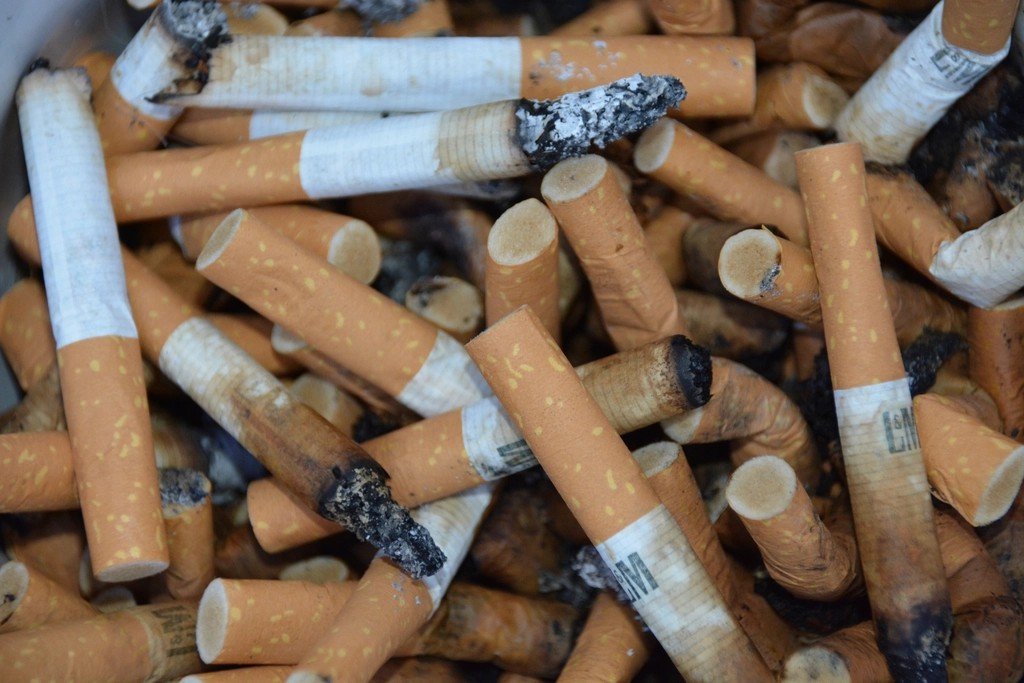
Crackdown Bites: Australia’s Booming Black-Market Tobacco Trade Shrinks for the First Time in Five Years as Record Seizures Hit Organised Crime Where It Hurts
- The volume of contraband cigarettes circulating in Australia has fallen by an estimated 24 per cent, the first decline after five straight years of explosive growth.
- Border officials seized more than 730 tonnes of illegal tobacco in just three months, an all-time record, along with 3.75 million vapes.
- Despite the drop, official figures suggest four in every five cigarettes smoked in 2025 came from illegal sources.
- A fierce political fight is raging over whether slashing tobacco tax by up to 80 per cent would starve the criminal gangs, or simply send smoking rates soaring.
For half a decade, it looked unstoppable.
Illegal cigarettes poured into Australian suburbs, sold over the counter in brazen shopfronts, funnelled through sophisticated smuggling networks and defended, at times, with violence. Authorities appeared to be fighting a losing war against an industry that grew fatter every year.
Now, for the first time since the boom began, the tide appears to be turning.
New figures from the Illicit Tobacco and E-cigarette Commission show the quantity of contraband tobacco in circulation fell by about 24 per cent over the last financial year.
That reverses five consecutive years of significant expansion in the illegal market.
Precise measurement of a hidden trade is impossible.
But officials estimate the black market may have contracted by as much as 1,438 tonnes, a staggering volume of product that, until recently, would have flowed straight into the pockets of criminal syndicates.
The fall has coincided with an unprecedented enforcement blitz.
Data from the Australian Border Force reveals officers intercepted more than 730 tonnes of illicit tobacco in the first quarter of the current financial year alone, the highest figure ever recorded.
In the same period, 3.75 million vapes were seized, an 18 per cent jump on the corresponding three months a year earlier.
A dedicated national taskforce targeting the trade, led by the ABF, has been equally busy.
In its first 12 months, it carried out more than 600 operations, confiscating in excess of 24 million illegal cigarettes and 3.6 tonnes of loose-leaf tobacco.
Assistant Minister for Customs Julian Hill declared that the crackdown was delivering.
He said each seizure, shop closure and disrupted network sent a blunt warning to offenders that authorities knew their identities and methods, and were pursuing both them and their profits.
Mr Hill credited the government’s spending on enforcement, combined with public health measures designed to reduce demand, for the results now emerging.
ABF Assistant Commissioner Tony Smith said the goal went beyond simply grabbing product at the border.
He explained that officers were aiming to apply relentless, ongoing pressure to dismantle the business models of criminal operators and force them to change how they work at every link in the supply chain.
To understand why these numbers matter, it is necessary to grasp just how large the problem had become.
In June, the Australian Bureau of Statistics released figures indicating that a remarkable 80 per cent of tobacco consumed in Australia in 2025 came from illegal sources.
In other words, the legitimate, taxed market had been reduced to a minority player in its own country.
The root cause, critics argue, is price. Years of steep excise increases have pushed a legal pack of cigarettes to some of the highest prices on the planet.
That gap between legal and illegal product created an enormous profit margin, and organised crime moved quickly to exploit it.
The consequences spilled onto suburban streets.
The so-called tobacco wars, particularly in Victoria, saw a string of arson attacks on retail outlets as rival groups battled for control of lucrative territory, part of a broader surge in organised crime that has alarmed residents and police alike.
It is against that backdrop that the political debate has erupted.
One Nation has proposed cutting tobacco excise by 75 per cent, while the Coalition has floated an even deeper reduction of 80 per cent. Both argue that removing the financial incentive is the only way to choke off the black market permanently.
The federal government has flatly rejected those calls, insisting that cheaper cigarettes would inevitably drive up smoking rates and undo decades of public health progress.
Analysis: What This Means for Australia
The first decline in five years is a genuine win for law enforcement, but it should not be mistaken for victory.
From a national security perspective, the illicit tobacco trade is not a petty nuisance.
It is a revenue engine for sophisticated criminal networks, many with international connections, and the same smuggling routes and money-laundering channels used to move cigarettes can be used for drugs, weapons and other contraband.
Every tonne seized is a tonne of profit denied to groups that threaten border security.
For law enforcement, the record seizures raise a difficult question. Are authorities catching more because they are getting better, or because there is simply so much product flooding in?
The answer is likely both, and it means the pressure cannot ease without the market bouncing back.
Communities have perhaps the most at stake. Firebombed shops, intimidated retailers and illegal vapes in the hands of teenagers have turned a public health issue into a public safety crisis.
A shrinking black market could mean fewer violent turf disputes in neighbourhood strip malls.
Then there is the economic toll.
With the overwhelming majority of tobacco escaping tax, billions of dollars in revenue have vanished from the federal budget at a time of sustained cost of living pressure.
Clawing back even part of that market could ease strain on public finances.
Security analysts say the figures suggest coordinated enforcement can genuinely disrupt criminal supply chains, but warn syndicates are highly adaptable and will seek new routes, new concealment methods and new distribution points.
Law enforcement insiders warn that a single year of decline proves little on its own. They say the true test will be whether the drop holds over several years, as criminal operators recalibrate and absorb their losses.
Industry observers believe the tax debate is far from settled.
Some argue enforcement alone can never fully close a price gap this wide, while public health advocates counter that lowering excise would hand a gift to the tobacco industry and reverse hard-won reductions in smoking.
What is clear is that the battle lines have shifted.
After five years of relentless growth, the black market has finally taken a hit, and both sides of politics will now fight over how to land the next blow.