
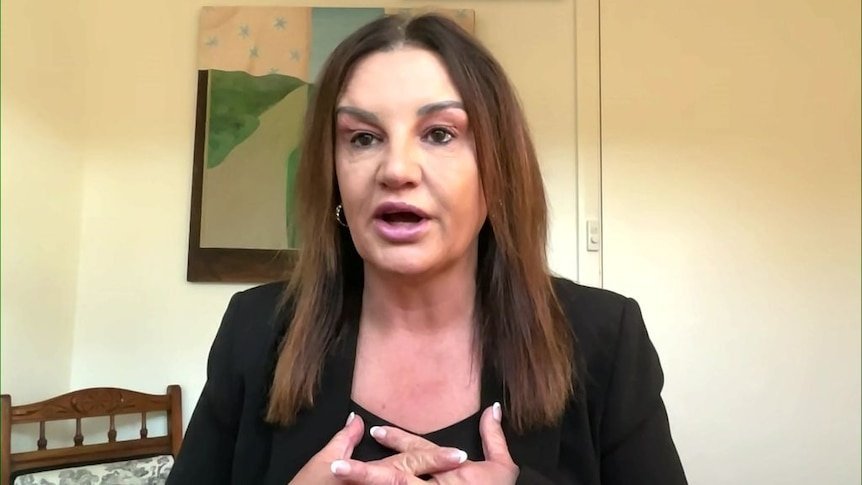
‘Means Test It All’: Jacqui Lambie Takes Aim at Wealthy Families’ Childcare Rebates and Electric Car Perks as Chalmers Hunts for Savings and Struggling Tasmanians Are Driven to Steal Meat to Feed Their Kids
- Outspoken Tasmanian senator Jacqui Lambie says couples earning half a million dollars a year should not be pocketing generous taxpayer-funded childcare rebates while ordinary families go hungry
- She claims desperate parents in her home state are hiding meat in their clothing and walking out of supermarkets, describing the worst financial hardship she has seen since the pandemic
- Lambie is daring Labor to show “courage” and slap a 20 per cent tax on gas exports, a move backed by the Greens and David Pocock that could raise billions every year
- The government faces a bruising Senate fight this week over its gas reservation scheme, with neither the Coalition nor the Greens yet on board
Somewhere in Tasmania tonight, a mother is deciding whether to risk a criminal record so her children can eat.
That is the confronting picture Jacqui Lambie painted on national television on Sunday. And it is the reason, she says, Canberra must stop handing out money to households that simply do not need it.
The fiercely independent senator has thrown down a challenge to Treasurer Jim Chalmers just weeks before his mid-year budget update: strip back subsidies for the well-off, and go after the gas giants shipping Australia’s resources offshore.
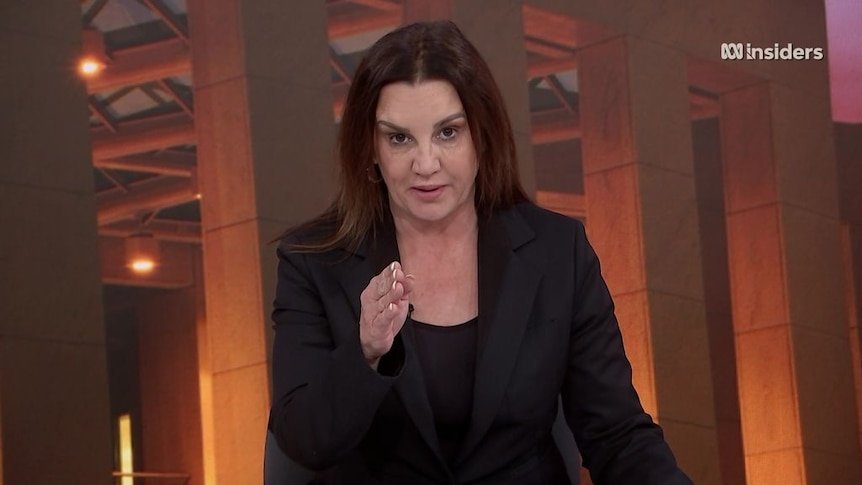
Appearing on the ABC’s Insiders program, Senator Lambie argued the nation had lost its discipline when it came to directing support to the people who genuinely need it.
Her prime example was childcare.
She questioned why a couple bringing home a combined $500,000 should receive the same scale of help as a struggling family, suggesting the government return to a tiered system where high earners get a modest rebate of around 10 per cent rather than a substantial one.
When pressed on whether the same thinking should extend to incentives for electric vehicles, she did not hesitate. Means test everything, she said, arguing that was precisely where the budget could claw back real money.
Her intervention lands at a precarious moment for Dr Chalmers.
Persistent inflation and a fifth interest rate rise this year from the Reserve Bank of Australia have piled pressure on the Treasurer to restrain spending before the December update.
The government says it is pursuing savings across every portfolio. Yet an ABC analysis has found only a small number of ministers have actually delivered net savings so far in 2026.
Senator Lambie offered little comfort to those hoping relief was around the corner. She warned the squeeze on households would likely drag on for another couple of years, citing global instability including the war in the Middle East.
The debate over who deserves government help is not new, but it has been sharpened dramatically by the cost-of-living crisis.
When Labor overhauled the Child Care Subsidy in 2023, it lifted support for lower and middle-income families and extended eligibility to households earning up to roughly $530,000.
The policy was sold as a productivity measure designed to get more parents, particularly women, back into the workforce.
Electric vehicles have also enjoyed generous treatment, most notably through a fringe benefits tax exemption that critics argue disproportionately rewards higher earners able to afford new cars through salary packaging.
At the same time, the gas question has festered for years. Australia is one of the world’s biggest exporters of liquefied natural gas, yet the east coast has faced repeated warnings of looming supply shortfalls.
That is the problem Labor’s gas reservation scheme aims to fix.
The legislation would require LNG exporters to hold back up to 20 per cent of their product for the domestic market, which the government insists will ease prices.
Senator Lambie has confirmed she will vote for the bill. But she says it does not go far enough.
She wants a 20 per cent tax on exported gas, framing it as Australians finally taking control of their own resources and profiting from them. The Greens and ACT independent David Pocock have pushed a similar idea, claiming a 25 per cent levy could generate billions in annual revenue.
Labor has knocked the idea back repeatedly.
It argues it must protect vital trading relationships with Asian partners and points instead to the existing petroleum resource rent tax, whose forecast revenue has been revised upwards.
Analysis: What This Means for Australia
Strip away the parliamentary theatre and this fight is about one thing: who pays, and who gets helped, as the country’s finances tighten.
Senator Lambie’s account of parents shoplifting food is more than a political anecdote.
It points to a creeping social fracture, with growing numbers of working families pushed into desperation and retailers and local police forced to deal with the fallout of retail theft.
Means testing childcare and EV incentives would be politically explosive. Middle and upper-income voters in marginal suburban seats have grown used to the support, and any rollback could be painted as a broken promise.
The gas question carries even higher stakes. Energy is a national security issue as much as an economic one.
A domestic shortfall would hit manufacturers, push up power bills and threaten jobs in energy-intensive industries.
But Australia’s LNG customers in Japan, South Korea and beyond are also strategic allies. Any move seen as tampering with export contracts or profitability risks diplomatic friction at a time of regional tension.
The opposition, meanwhile, is keeping its cards close.
Shadow Defence Minister James Paterson told Sky News’ Sunday Agenda the Coalition wants more gas available to Australians, particularly industry, which he said had endured soaring prices under Labor.
He accused the government of doing nothing to make extraction easier and voiced concern about the future of gas investment, while declining to reveal how the Coalition would vote.
Economic observers say the core tension is unavoidable. Targeting subsidies more tightly could save meaningful sums, but the government fears it would undercut its signature workforce participation agenda.
Energy industry insiders warn a fresh export tax could chill the investment needed to bring new supply online, potentially worsening the very shortages the reservation scheme is designed to prevent.
Fiscal analysts believe Dr Chalmers is running out of easy options. With inflation stubborn and the Reserve Bank still tightening, they say every dollar of extra spending risks fuelling price pressures further.
Welfare advocates, however, argue Senator Lambie has touched a nerve.
They contend that when families are resorting to theft to put dinner on the table, the case for asking the comfortable to give up some of their benefits becomes very hard to dismiss.
The coming fortnight, the last parliamentary sitting period of the year, will reveal whether Labor is prepared to listen, or whether it will once again close the door on the crossbench and hope the pressure eases by Christmas.