
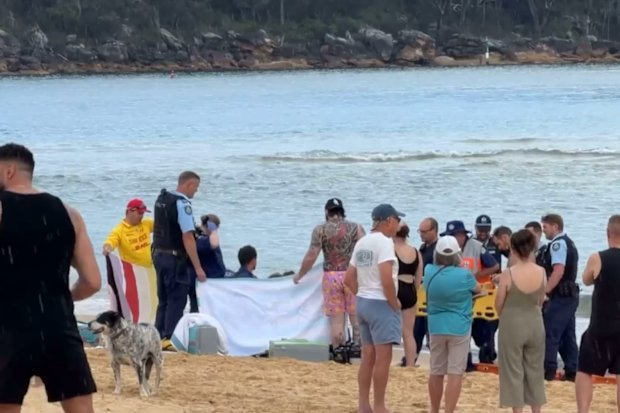
Horror at Ettalong Beach: Young Swimmer Struck by Lightning in the Ocean and Rushed to Hospital in Serious Condition as Storms Lash the NSW Central Coast
- A man in his 20s was hit by a bolt of lightning while swimming in the ocean at Ettalong Beach on the NSW Central Coast just before 4pm on Saturday
- Paramedics fought to stabilise him on the sand before he was taken to Gosford Hospital in a serious condition
- A local councillor has spoken of an “incredibly frightening time” for the victim’s family and praised the emergency crews who raced to the scene
- The incident is a stark warning to the millions of Australians who flock to the coast each summer that open water offers no protection when a storm rolls in
One moment he was swimming in the surf on a Saturday afternoon. The next, he was fighting for his life.
A young man has been left seriously injured after a lightning bolt struck him while he was in the ocean on the NSW Central Coast.
It is the kind of freak accident that most beachgoers never imagine could happen to them, and it has sent a shudder through one of the state’s most popular seaside communities.
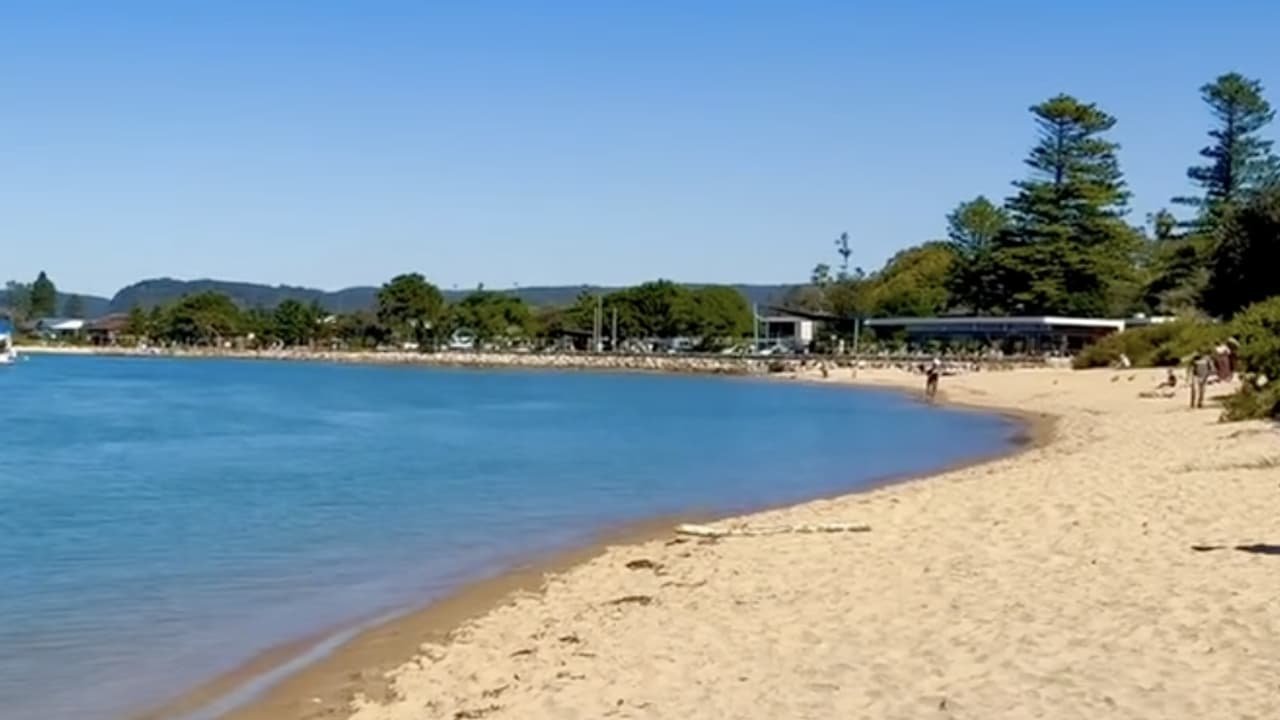
The terrifying incident unfolded shortly before 4pm on Saturday at Ettalong Beach, which forms the eastern stretch of the well-known Umina Beach.
The swimmer, believed to be in his 20s, was in the water when the strike hit. The electrical charge tore through him as he swam.
Emergency services were called to the beach. Paramedics from NSW Ambulance treated the man at the scene before he was taken to Gosford Hospital, where he was listed in a serious condition.
Police also attended. They joined the paramedics and other emergency workers who responded to the scene.
Central Coast Councillor Jared Wright said his thoughts were with the injured man and his loved ones. He described what the family must be going through as incredibly frightening.
Cr Wright also thanked NSW Ambulance, police and the wider emergency response team. He singled out the crews who worked to get the patient safely to Gosford Hospital.
No further details about the man’s identity or his current condition have been released.
The strike comes as storm season hits its stride along the east coast, where hot, humid afternoons often give way to violent electrical storms with little warning.
The Bureau of Meteorology regularly warns that the late spring and summer months bring the greatest risk of thunderstorm activity in NSW. Those are also the months when beaches are at their busiest.
That overlap is what makes lightning such a stubborn danger for coastal communities. Swimmers, surfers and fishers are often among the most exposed people anywhere during a storm, out in the open with nothing taller than themselves nearby.
Water does not offer refuge. Experts have long warned that being in or near water during a thunderstorm is one of the most hazardous places to be.
Lightning can also strike well ahead of the rain, sometimes while blue sky is still visible overhead.
Lightning strikes on people are relatively rare in Australia.
But they are far from unheard of, and figures commonly cited by safety authorities suggest dozens of Australians are injured by lightning each year, with some cases proving fatal.
Analysis: What This Means for Australia
For a nation whose identity is so closely tied to the beach, Saturday’s strike is an uncomfortable reminder that the coastline can turn deadly in seconds.
The most pressing issue is public safety.
Each summer, enormous crowds descend on beaches like Umina and Ettalong, many of them holidaymakers and day-trippers from Sydney who may not keep a close eye on local weather warnings.
When a storm builds quickly, thousands of people can be caught out in the open at once.
That puts pressure on emergency services. Paramedics, police and volunteer rescuers are frequently first in line when the weather turns, and a lightning injury is a complex medical emergency.
Victims can suffer cardiac arrest, burns, neurological damage and long-term complications that may not be obvious straight away.
It also raises questions about warning systems. Severe thunderstorm alerts are issued by the Bureau of Meteorology, but whether those warnings reach people already in the water is another matter entirely.
Some safety advocates have argued for more visible, real-time beach alerts during storm season.
There are community and economic consequences, too. Coastal towns along the Central Coast rely heavily on tourism during the warmer months.
Incidents like this, while rare, can shape how visitors and locals behave, and they underline the need for clear, consistent messaging about when to leave the beach.
And there is the human toll. A young man is now in hospital.
His family is facing an agonising wait. For the people who witnessed the aftermath on the sand, the shock will linger long after the storm clouds have cleared.
This is not a story about blame. It is a story about how quickly ordinary summer routines can collide with forces of nature, and about whether Australians fully appreciate the risk.
Weather safety experts say the message is simple but too often ignored: if you can hear thunder, you are close enough to be struck.
The widely promoted rule of thumb is “when thunder roars, go indoors”, and they stress that waiting for the rain to start before leaving the water is a dangerous gamble.
Emergency response insiders warn that the first minutes after a lightning strike are critical. Bystanders who are trained in CPR and know how to use a defibrillator can make a life-or-death difference before paramedics arrive.
Unlike people who have been electrocuted by power lines, lightning victims do not carry a charge and are safe to touch.
Coastal safety observers believe the incident should serve as a wake-up call ahead of the peak holiday period.
They point to Surf Life Saving NSW guidance urging beachgoers to check forecasts before heading out, to watch the sky, and to get out of the water at the first sign of a storm.
Meteorology watchers also note that storms on the east coast can develop rapidly on hot afternoons, which is precisely the time of day when beaches tend to be busiest.
The window between a clear sky and a dangerous storm can be shorter than many people think.
Medical observers add that survivors of lightning strikes often face a long road to recovery. Some experience lasting effects on memory, hearing or nerve function that can persist for months or even years.
For now, the focus remains on a young man in a Gosford hospital bed, and on the family hoping and waiting for good news.
The broader lesson, authorities say, is one every Australian beachgoer should take to heart this summer: no swim is worth the risk when a storm is overhead.
For more on extreme weather and staying safe this season, read our coverage of severe weather warnings and beach safety.