
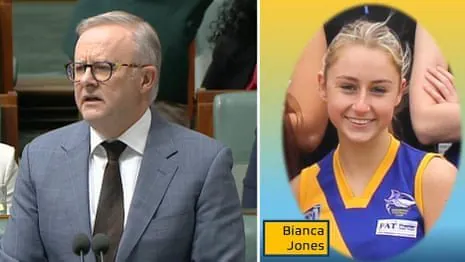
Australia’s Deadly Betrayal: Laotian Justice System Fails Families of Two Teenage Backpackers Poisoned to Death
- Two Australian teenagers, Holly Morton-Bowles and Bianca Jones, were poisoned to death by methanol-laced alcohol at a Laotian backpacker hostel in 2023.
- The Laotian government’s response has been widely condemned as “an absolute injustice” and “appalling”, with those responsible fined for destroying evidence, not manslaughter.
- The Albanese Government has appointed a special envoy to “explore all avenues” to progress the case, but critics say more action is needed to hold Laos accountable.
- The incident has sparked outrage and raised questions about Australia’s foreign policy and its ability to protect citizens abroad.
The deaths of Holly Morton-Bowles and Bianca Jones, two 19-year-old Australian backpackers, in Laos in 2023, has sent shockwaves through the nation.
The girls, who had their entire lives ahead of them, were doing what thousands of young Australians do every year – exploring the world and experiencing new cultures.
But their adventure was cut short when they were poisoned by methanol-laced alcohol at a hostel in Vang Vieng. The hostel, which catered to young foreign tourists, including many Australians, has been accused of serving the deadly liquor.
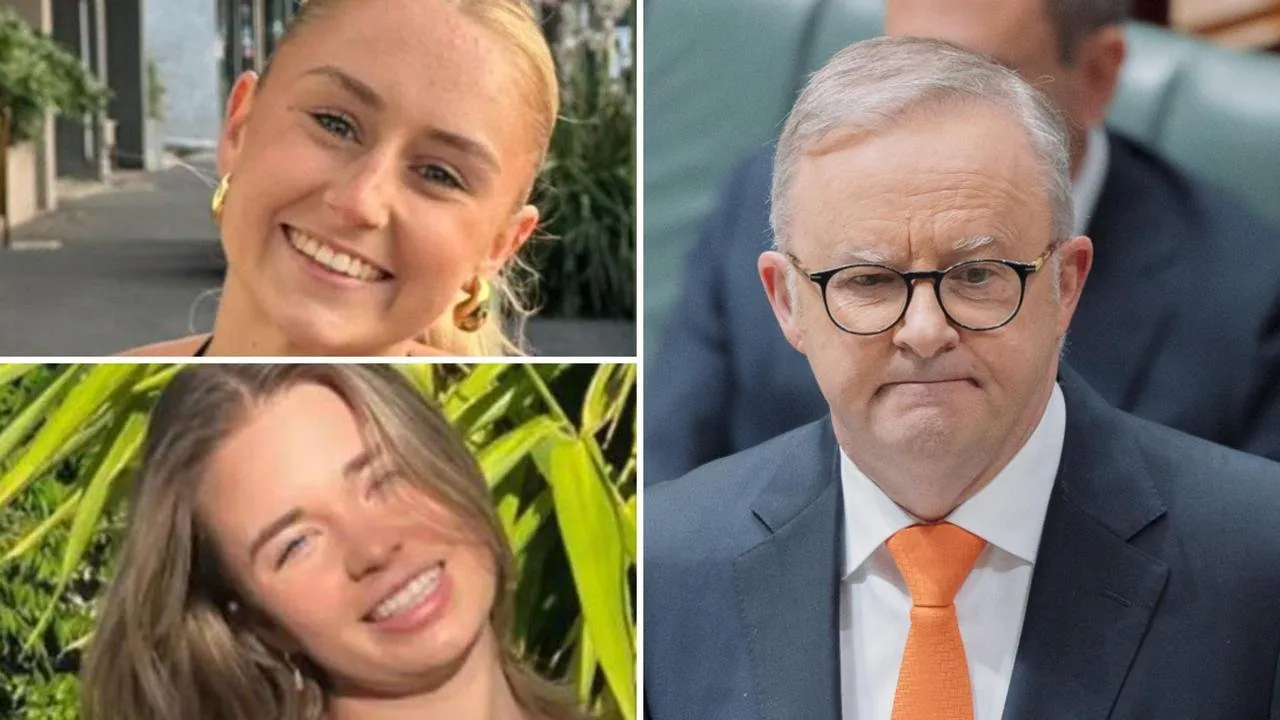
At least six international travellers died, and the Laotian government’s response has been widely condemned. Ten people connected to the poisoning faced court in January and were handed fines – but not for the deaths, nor for manslaughter.
They were fined for destroying evidence.
The distillery owner, whose premises allegedly made the poison brew, has been hit with charges that include the sale of food products harmful to health and operating an illegal business.
However, the maximum penalty is reportedly between three months and four years in jail and a fine of around $1600. For the families of Holly and Bianca, this is a slap in the face.
“Their lives didn’t even matter,” said Holly’s mother, Michelle. “We’re just really appalled by it all.” The Albanese Government has appointed a special envoy, Pablo Kang, to “explore all avenues” to progress the case.
While this is a welcome move, many believe it is not enough. This is not just a niche consular matter, but a test of whether Australian foreign policy can actually protect Aussies abroad.
The government must ask itself: if a Comprehensive Partnership doesn’t come with the expectation of basic accountability when Australians are killed on Laotian soil, then what is the point of the partnership?
Prime Minister Albanese needs to personally and publicly demand that Laos prosecute those responsible for these deaths.
An unambiguous declaration that Australia will not normalise or accept the outcome of a fine or a measly jail sentence as justice for two dead 19-year-olds.
The Australian Government has finally cracked its polite exterior, declaring it is “deeply frustrated and bitterly disappointed” that Laos is actively refusing to pursue the most serious charges for the girls’ deaths.
However, this cannot stop at diplomatic hand-wringing. The Australian Federal Police offered to help with the investigation, but Laos declined.
This refusal should have triggered a far more fierce diplomatic response. When a country refuses investigative assistance after the deaths of your nationals, you escalate, loudly, until the world watches.
Every year, hundreds of thousands of young Australians travel through South-East Asia, trusting that their government will fight for them if the worst should happen.
Holly Morton-Bowles and Bianca Jones deserved that fight. Their families deserve it now.
Analysis: What This Means for AustraliaThe incident has sparked outrage and raised questions about Australia’s foreign policy and its ability to protect citizens abroad.
The government’s response will be closely watched by other countries, and a failure to hold Laos accountable will send a message that Aussie lives are negotiable.
Security analysts say that the Laotian government’s response is a clear indication of the country’s disregard for human life and its lack of accountability.
“This incident highlights the risks faced by Australian citizens when travelling abroad and the need for the government to take a stronger stance in protecting its nationals,” said one security expert.
Law enforcement insiders warn that the refusal by Laos to cooperate with the Australian Federal Police’s investigation is a clear indication of the country’s lack of commitment to justice.
“This incident is a wake-up call for the Australian government to re-evaluate its relationship with Laos and to demand greater accountability from its partners,” said a law enforcement source.
The economic and social consequences of this incident are also significant.
The tourism industry is a major contributor to the Laotian economy, and the government’s failure to hold those responsible accountable may deter Australian tourists from visiting the country.
The Australian government must make it clear to Laos that there will be real consequences to this bilateral relationship until real justice is delivered. Not fines or slaps on wrists for hiding the truth.
Not charges so trivial they barely compare to a driving infringement here in Australia. Our leaders must be incensed not through words, but through action and exhausting all the levers they can pull.
Anything less is a message to every country in the world that Aussie lives are negotiable. They are not.
The deaths of Holly Morton-Bowles and Bianca Jones, two 19-year-old Australian backpackers, in Laos in 2023, has sent shockwaves through the nation. The girls, who had their entire lives ahead of them, were doing what thousands of young Australians do every year – exploring the world and experiencing new cultures. But their adventure was cut short when they were poisoned by methanol-laced alcohol at a hostel in Vang Vieng.
The hostel, which catered to young foreign tourists, including many Australians, has been accused of serving the deadly liquor. At least six international travellers died, and the Laotian government’s response has been widely condemned. Ten people connected to the poisoning faced court in January and were handed fines – but not for the deaths, nor for manslaughter. They were fined for destroying evidence.
The distillery owner, whose premises allegedly made the poison brew, has been hit with charges that include the sale of food products harmful to health and operating an illegal business. However, the maximum penalty is reportedly between three months and four years in jail and a fine of around $1600. For the families of Holly and Bianca, this is a slap in the face.
“Their lives didn’t even matter,” said Holly’s mother, Michelle. “We’re just really appalled by it all.” The Albanese Government has appointed a special envoy, Pablo Kang, to “explore all avenues” to progress the case. While this is a welcome move, many believe it is not enough.
This is not just a niche consular matter, but a test of whether Australian foreign policy can actually protect Aussies abroad. The government must ask itself: if a Comprehensive Partnership doesn’t come with the expectation of basic accountability when Australians are killed on Laotian soil, then what is the point of the partnership?
Prime Minister Albanese needs to personally and publicly demand that Laos prosecute those responsible for these deaths. An unambiguous declaration that Australia will not normalise or accept the outcome of a fine or a measly jail sentence as justice for two dead 19-year-olds. The Australian Government has finally cracked its polite exterior, declaring it is “deeply frustrated and bitterly disappointed” that Laos is actively refusing to pursue the most serious charges for the girls’ deaths.
However, this cannot stop at diplomatic hand-wringing. The Australian Federal Police offered to help with the investigation, but Laos declined. This refusal should have triggered a far more fierce diplomatic response. When a country refuses investigative assistance after the deaths of your nationals, you escalate, loudly, until the world watches.
Every year, hundreds of thousands of young Australians travel through South-East Asia, trusting that their government will fight for them if the worst should happen. Holly Morton-Bowles and Bianca Jones deserved that fight. Their families deserve it now.
The incident has sparked outrage and raised questions about Australia’s foreign policy and its ability to protect citizens abroad. The government’s response will be closely watched by other countries, and a failure to hold Laos accountable will send a message that Aussie lives are negotiable.
Security analysts say that the Laotian government’s response is a clear indication of the country’s disregard for human life and its lack of accountability. “This incident highlights the risks faced by Australian citizens when travelling abroad and the need for the government to take a stronger stance in protecting its nationals,” said one security expert.
Law enforcement insiders warn that the refusal by Laos to cooperate with the Australian Federal Police’s investigation is a clear indication of the country’s lack of commitment to justice. “This incident is a wake-up call for the Australian government to re-evaluate its relationship with Laos and to demand greater accountability from its partners,” said a law enforcement source.
The economic and social consequences of this incident are also significant. The tourism industry is a major contributor to the Laotian economy, and the government’s failure to hold those responsible accountable may deter Australian tourists from visiting the country.
The Australian government must make it clear to Laos that there will be real consequences to this bilateral relationship until real justice is delivered. Not fines or slaps on wrists for hiding the truth. Not charges so trivial they barely compare to a driving infringement here in Australia. Our leaders must be incensed not through words, but through action and exhausting all the levers they can pull. Anything less is a message to every country in the world that Aussie lives are negotiable. They are not.