
Trump Calls Off Strikes on Iran as Middle East Allies Reach Deal to End Five-Month War, But Experts Warn of Looming Threats to Australia’s National Security
- US President Donald Trump orders American forces to stand down on new strikes against Iran as Middle East allies reach deal to end war
- Saudi Crown Prince Mohammed bin Salman raises concerns about Iranian retaliation against Saudi Arabia, prompting Trump to cancel attack
- Deal aims to reopen Hormuz Strait and end Iran’s nuclear threat, but experts warn of potential consequences for Australia’s national security and regional stability
- Israel carries out heavy strikes on Gaza Strip, killing at least four people and wounding dozens, as Hamas agrees to disarm in potential breakthrough
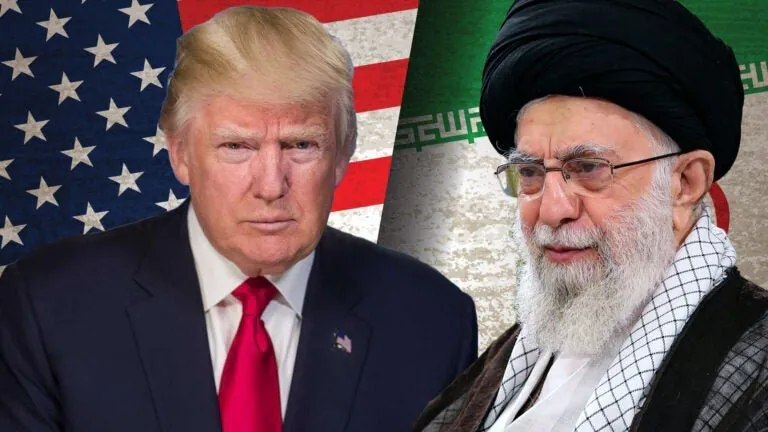
The United States has called off new strikes against Iran, with President Donald Trump announcing that Middle East allies have reached a deal to end the five-month war.
The move comes after Saudi Crown Prince Mohammed bin Salman expressed concerns about Iranian retaliation against Saudi Arabia, prompting Trump to cancel the attack. But experts warn that the deal may have significant implications for Australia’s national security and regional stability.
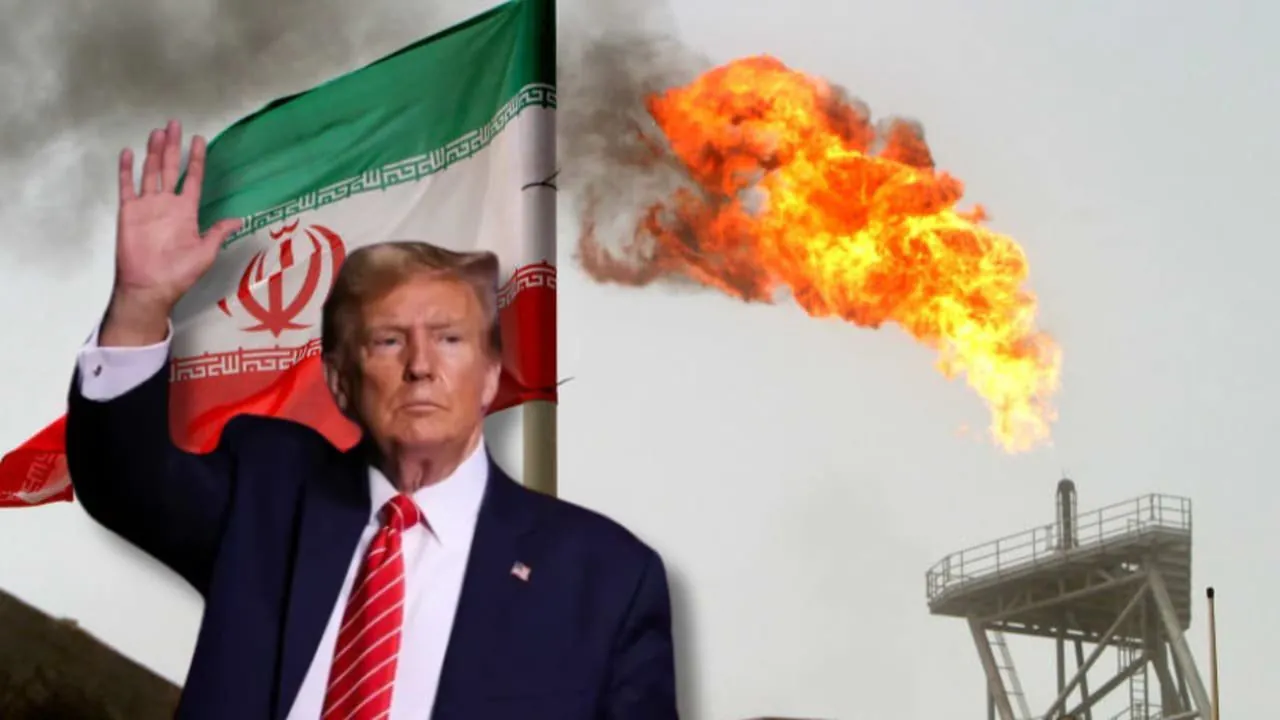
The deal, which aims to reopen the strategic Hormuz Strait and end Iran’s nuclear threat, was brokered by the US and includes Israel’s agreement to join the commitment.
However, the situation remains volatile, with Israel carrying out heavy strikes on the Gaza Strip, killing at least four people and wounding dozens. The strikes came after Hamas agreed to disarm in a potential breakthrough for ending the war in Gaza.
The conflict has significant implications for Australia, with experts warning of potential threats to national security and regional stability. “The situation in the Middle East is a powder keg, and Australia needs to be prepared for any eventuality,” said a security analyst.
“The reopening of the Hormuz Strait is a positive step, but it’s only one part of a much larger and more complex puzzle.”
The deal has also raised concerns about the potential for Iranian retaliation against Saudi Arabia and other Gulf countries. “The Saudis are right to be concerned about Iranian retaliation,” said a Middle East expert.
“Iran has a history of using proxy forces and asymmetric warfare to attack its enemies, and Saudi Arabia is a prime target.”
Analysis: What This Means for Australia
The deal to end the war in the Middle East has significant implications for Australia’s national security and regional stability. With the reopening of the Hormuz Strait, Australia’s energy security is likely to be improved, but the situation remains volatile.
“Australia needs to be prepared for any eventuality, including the potential for Iranian retaliation against Saudi Arabia and other Gulf countries,” said a security analyst.
Law enforcement insiders warn that the deal may also have implications for Australia’s counter-terrorism efforts.
“The agreement may lead to a reduction in tensions in the short term, but it’s unlikely to address the underlying issues that drive extremism,” said a counter-terrorism expert.
“Australia needs to remain vigilant and continue to work with its regional partners to address the root causes of terrorism.”
Industry observers believe that the deal may also have economic implications for Australia.
“The reopening of the Hormuz Strait is likely to lead to an increase in oil supplies, which could put downward pressure on prices,” said an economist.
“However, the situation remains volatile, and Australia needs to be prepared for any eventuality.”
As the situation in the Middle East continues to unfold, Australia needs to remain vigilant and prepared for any eventuality. The deal to end the war is a positive step, but it’s only one part of a much larger and more complex puzzle.
Australia’s national security, regional stability, and economic interests are all at stake, and the government needs to be prepared to respond to any developments.