
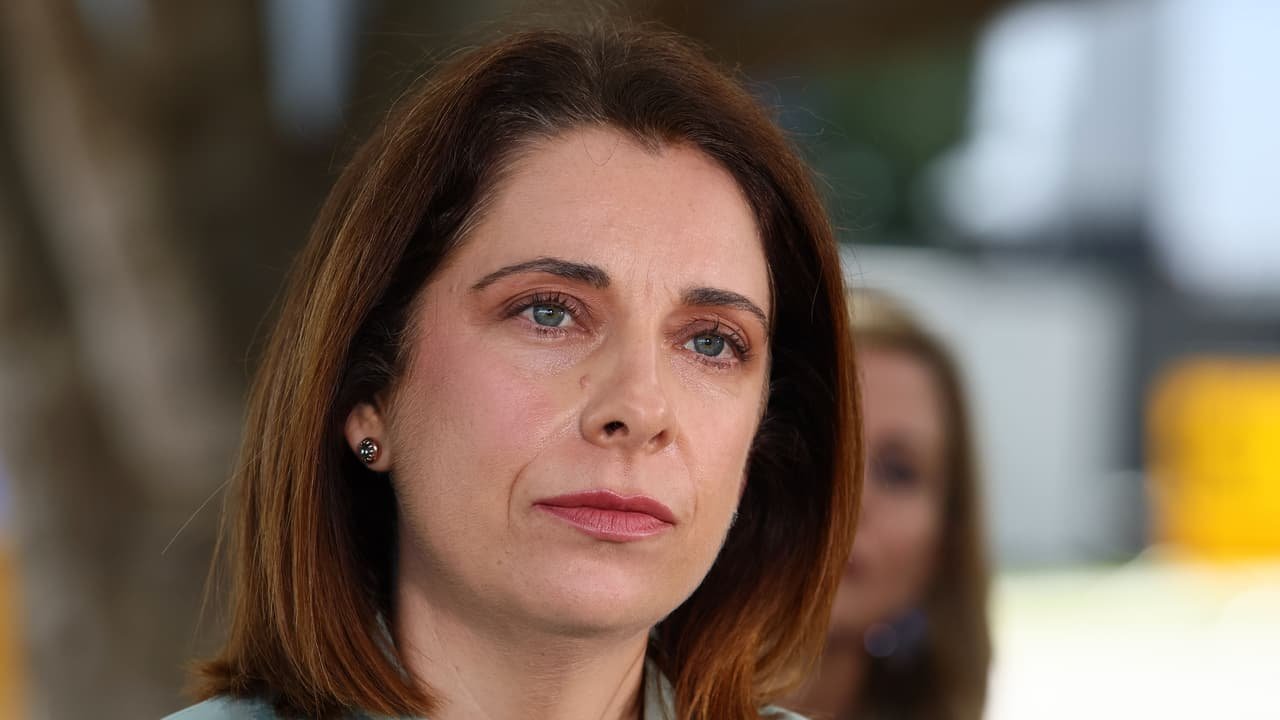
‘Unacceptable’: Woman Charged Over Alarming Scare at Federal Minister Anika Wells’ Brisbane Office as Wave of Threats Against Politicians Grips the Nation in Wake of Brutal Helen Haines Attack
- A 47-year-old woman has been charged after allegedly behaving in a threatening manner inside Communications Minister Anika Wells’ Nundah electorate office, which has now been shut for security upgrades.
- The incident came less than 48 hours after Indi MP Helen Haines was allegedly run down by a car outside her Wangaratta office. Surgeons have since amputated both her legs.
- On the same day in Perth, a man allegedly armed with nunchucks threatened two staff members inside WA minister Hannah Beazley’s office.
- Queensland Child Safety Minister Amanda Camm has quit cabinet, citing her health and the Haines attack, and says she has faced a year of harassment and threats.
The front door of an electorate office was once the most accessible point of contact in Australian democracy.
This week, that openness has started to look like a liability.
In the space of a few frightening days, a federal MP was left fighting for her life, a federal minister’s staff were caught up in an alleged security scare, and a state minister’s employees were allegedly confronted by a man carrying nunchucks.
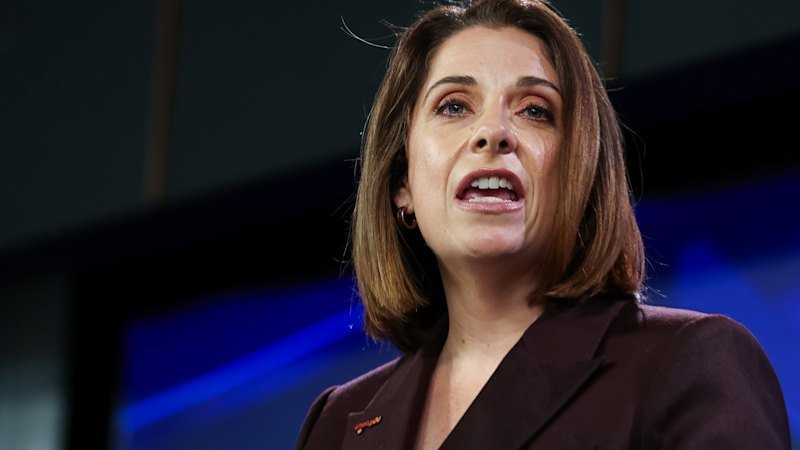
Politicians and their staff across the country are now asking whether showing up to work makes them a target.
The latest incident unfolded on Wednesday morning in the Brisbane suburb of Nundah, where Federal Communications and Sport Minister Anika Wells keeps her electorate office.
Police allege a 47-year-old woman entered the office and engaged in threatening behaviour. She was arrested and charged with one count of public nuisance.
She is due to face Brisbane Magistrates Court on November 26.
The office has not reopened. Its doors remain shut while security improvements are carried out.
Speaking on Friday, Ms Wells said her staff deserved to feel safe at work and described the behaviour as unacceptable.
Her comments carried extra weight because of what had happened just two days earlier, more than 1,500 kilometres away in north-east Victoria.
Independent Indi MP Helen Haines was allegedly struck by a car outside her Wangaratta office. Her leg injuries were so severe that surgeons amputated both legs.
She remains in a critical but stable condition at The Alfred hospital in Melbourne.
Brendan Nugent, 43, has been charged with dangerous driving causing serious injury and intentionally causing serious injury.
He has also been charged with the Commonwealth offence of causing harm to a public official, a rarely used charge that shows how seriously authorities are treating the case.
Ms Haines’ team posted on Facebook on Friday to thank the public. They said they had been overwhelmed by the kindness shown by people in Indi, across Australia and overseas.
Her staff are working towards reopening her office.
On Wednesday afternoon, the same day as the Brisbane scare, trouble reached Perth.
Inside the Victoria Park office of WA state minister Hannah Beazley, two staff members were allegedly threatened by a man wielding nunchucks.
John Lawrence Smart, 56, has been charged with being armed in a way that may cause fear, threatening to unlawfully do an act, and possessing a prohibited drug.
Ms Beazley’s office was closed for the rest of Wednesday and all of Thursday.
Taken together, the incidents point to a pattern that security officials have warned about for years.
The hostility now spilling into electorate offices has been building for some time. Online abuse of politicians has grown, and personal attacks on social media have become routine.
Many MPs say vitriol that once stayed in comment sections is now turning up at their front counters.
No one shows this more clearly than Queensland’s Amanda Camm.
The Minister for Child Safety and Domestic and Family Violence has stepped down from cabinet. She cited ongoing health problems and the attack on Ms Haines.
Ms Camm recently returned from six weeks of medical leave after major surgery and has spoken publicly about living with chronic migraines.
In a statement, she said the Haines attack had reinforced how seriously the health, safety and wellbeing of people in public life must be taken. She drew a firm line between legitimate public scrutiny, which she called essential to democracy, and harassment, threats, bullying and personal vilification.
She said the second kind had been her experience for the past year.
Ms Camm will stay on as the member for Whitsunday. She rejected suggestions she had been pushed out amid scrutiny of her handling of the child safety portfolio.
Analysis: What This Means for Australia
These alleged attacks matter well beyond the individuals involved.
On national security, an alleged violent attack on a sitting federal MP, followed within days by threats at the offices of a federal minister and a state minister, is the kind of escalation that domestic security planners fear most.
Even if the incidents are unconnected, the risk of copycat behaviour is real.
For law enforcement, the pressure is immediate.
The Australian Federal Police, state police forces and the Department of Home Affairs have moved quickly to brief state and federal politicians on how to protect themselves.
Electorate offices have long been the weak point. They are usually shopfronts on suburban streets or in regional towns, staffed by a handful of people, often young and often alone.
For communities, the cost is harder to measure but just as serious. Locked doors, intercoms and appointment-only access may keep staff safer.
They also put distance between voters and the people elected to represent them. Older residents, migrants and vulnerable people who rely on walk-in help with Centrelink, visas or aged care could be hit hardest.
Socially, Ms Camm’s departure raises an uncomfortable question. If capable people decide the personal risk of public life is too high, the quality of Australian representation will suffer.
That is a slow-burning threat to Australian democracy that no security upgrade can fix.
The financial cost of hardening hundreds of offices across the country will also land on taxpayers, at a time when cost of living pressures are already squeezing budgets.
Security analysts say the cluster of incidents should be treated as a warning rather than a coincidence, and that the gap between online threats and real-world action appears to be narrowing.
Law enforcement insiders warn that the open-door model of electorate offices was designed for a calmer era. They expect a significant overhaul of security protocols, including better screening, duress alarms and closer coordination with local police.
Political observers believe the bigger challenge is cultural.
They argue that unless the tone of public debate cools, both online and offline, physical security measures will only treat the symptoms of a deeper problem.
Others caution against over-correcting. They say Australia’s political leaders must stay reachable and visible, or the people trying to intimidate them will have already won.
For now, staff in Nundah, Victoria Park and Wangaratta are coming to terms with what has happened. As Helen Haines lies in hospital, the country is being forced to consider how much it is willing to change to keep its representatives safe.