

‘We Will Use Every Power Available’: Owner of Dogs That Savaged Man in Brisbane Bushland Faces Two Years in Jail as Police Probe Whether Second Man Found Dead Nearby Was Also Mauled
- A 37-year-old man was rushed to hospital with horrific arm injuries after two dogs tore into him in parkland at Chermside, in Brisbane’s north.
- Two days later, the body of a 48-year-old man was found in the same patch of bushland, and police are working to establish whether the same animals were responsible.
- Brisbane City Council has scrapped a destruction order and is pursuing the owner under state law, which carries a maximum fine of more than $120,000 or up to two years behind bars.
- The dogs had never been declared dangerous and were registered to an address just a short distance from the attack site.
It was supposed to be an ordinary Friday evening in a quiet pocket of suburban Brisbane.
Instead, a man walking through parkland in Chermside found himself fighting off two dogs that went for his arms with terrifying force. Within 48 hours, police had made a second, far darker discovery in the same stretch of bush: a man’s body.
Now, as detectives work to piece together exactly what happened, the owner of the animals is staring down the toughest penalties Queensland law allows, and a community is asking how two unregistered threats were living, unnoticed, right on their doorstep.
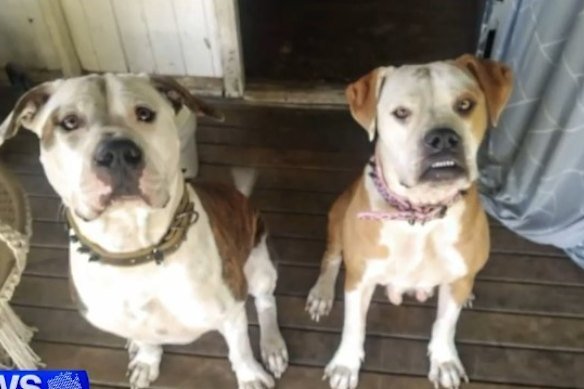
Emergency crews were called to Kittyhawk Drive shortly after 6pm on Friday, October 16, following reports that a man was being attacked by dogs.
The 37-year-old victim was taken to hospital with serious injuries to his arms. Both dogs were captured by officers from the Queensland Police Service and have since been kept in secure custody.
On Sunday, police located the body of a 48-year-old man in bushland in the same area. Investigators are still trying to determine whether his death is linked to the dogs.
No charges have been laid, and the investigation remains active.
Last weekend, a destruction order was issued for the animals.
But on Wednesday, Brisbane City Council withdrew that order and replaced it with a proposed dangerous dog declaration, a move designed to push the case into the far harsher territory of state legislation.
The council’s chair for customer services, Councillor Sarah Hutton, said the gravity of the mauling demanded “much tougher penalties” than anything available under local by-laws.
She acknowledged residents were desperate for rapid action and said council shared that frustration, but stressed that the state government’s legal framework had to be followed to the letter.
The difference in potential punishment is stark. Under council by-laws, the maximum fine sits at $51,810.
Under Queensland’s Animal Management (Cats and Dogs) Act, the owner could be hit with a fine of up to $120,890 or sentenced to as much as two years in prison.
The dogs were registered at a nearby address and had never previously been declared dangerous, meaning there was no official record flagging them as a risk before Friday’s attack.
The owner now has two weeks to respond to the proposed declaration.
Council will weigh any submission before deciding what happens to the dogs, and the owner retains a final avenue of appeal to the Queensland Civil and Administrative Tribunal.
Cr Hutton also made clear that council’s enforcement action would move in step with the police inquiry, and vowed that every available power would be used to protect residents and hold reckless owners responsible.
The decision to swap a destruction order for a dangerous dog declaration may appear, on the surface, like a softening of council’s stance. In reality, it is the opposite.
A destruction order deals with the animals.
A dangerous dog declaration opens the door to dealing with the person who owns them, with consequences that can include a criminal record and a prison cell.
The case lands amid mounting public anxiety over dog attacks across Queensland, where a string of serious maulings in recent years has fuelled calls for tougher laws, stricter registration enforcement and more accountability for owners.
The timing of the second death has only intensified that pressure.
Until police finalise their findings, the question hanging over Chermside is a chilling one: was Friday’s attack an isolated incident, or the first sign of something far worse?
Analysis: What This Means for Australia
At its heart, this is a story about public safety in the spaces Australians take for granted. Parks, bush tracks and reserves are meant to be places of refuge in sprawling cities.
When they become sites of violent attacks, the sense of security that underpins suburban life begins to fracture.
For law enforcement, the Chermside case exposes a familiar gap. Councils can only act on dogs they know about.
These animals were registered, but carried no prior dangerous classification, leaving authorities with no warning and no grounds for pre-emptive action.
It also highlights the slow mechanics of justice.
A two-week response window, a council review and a potential tribunal appeal mean the dogs’ fate could take weeks or months to resolve, all while a grieving community waits for answers.
There are social and economic costs, too.
Serious maulings place strain on emergency departments and hospital resources, can leave victims with lasting physical and psychological trauma, and drive up demand for council animal management services already stretched thin by tight local government budgets.
And if police ultimately link the 48-year-old’s death to the dogs, the case could become a defining test of whether Queensland’s current penalty regime is strong enough when a life is lost.
Law enforcement insiders warn that the involvement of a possible fatality means the matter could move well beyond animal management laws, depending on what investigators uncover about the circumstances and the owner’s level of control over the animals.
Animal welfare and public safety observers believe the case will reignite debate over whether owners should face mandatory behavioural assessments or stricter containment rules for large or powerful breeds, rather than relying on a system that largely reacts after blood has been spilled.
Local government analysts say council’s decision to escalate the matter to state legislation signals a growing willingness among authorities to treat serious dog attacks as genuine crimes rather than neighbourhood nuisances.
Community advocates, meanwhile, argue that residents in Brisbane’s north deserve clear communication about what happened in that bushland, and reassurance that nothing similar is lurking behind another suburban fence.
For now, the dogs remain locked away, the owner’s fate hangs in the balance, and detectives continue their grim work in a stretch of bush that, just over a week ago, nobody in Chermside thought twice about walking through.