
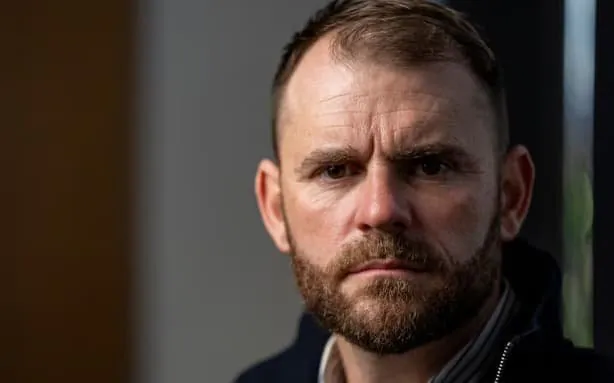
‘Humiliated and Discriminated’: Disability Advocate Kicked Off Virgin Flight Over Wheelchair Motor Row
- Shane Hryhorec, a prominent disability advocate, was removed from a Virgin Australia flight due to a dispute over storing his portable wheelchair motor.
- The Adelaide-based advocate, who has C5 incomplete quadriplegia, claims he was left feeling “humiliated” and “small” after being forced off the plane.
- Virgin Australia has apologized and is reviewing the incident, but questions remain over the airline’s policies on storing portable wheelchair motors.
- The incident has sparked outrage and raised concerns about accessibility and inclusivity in the air transport industry.
Shane Hryhorec’s experience on a Virgin Australia flight from Sydney to Adelaide was meant to be a routine one. As a disability advocate, he’s no stranger to air travel, often flying with his service animal and a wheelchair equipped with a portable electric motor.
However, what unfolded on that Monday flight left him feeling humiliated and discriminated against.
According to Hryhorec, the issue began when he boarded the flight and was instructed by cabin staff to store his wheelchair motor under the seat in front of him.

However, the allocated row had no space to accommodate the device, and Hryhorec was reluctant to place it next to his service dog, citing safety concerns.
Despite discussing possible alternatives with the crew, including storing the battery in another row or relocating to a different seat, Hryhorec was ultimately told to vacate the flight.
This was not Hryhorec’s first experience with Virgin Australia.
In fact, he had taken three flights with the airline in the preceding days without issue, with crew members allowing him to store the motor in the overhead locker.
The sudden change in policy left Hryhorec feeling confused and frustrated.
“Their rules had contradicted themselves so much that there is nowhere I can sit on the plane that I can actually put it [the motor] under the seat, according to their guidelines,” he explained.
The incident has sparked widespread outrage, with many calling for greater accessibility and inclusivity in the air transport industry. Disability advocates argue that airlines must do more to accommodate passengers with disabilities, providing clear guidelines and training for staff to handle such situations.
As Hryhorec pointed out, “It’s just awful this level of discrimination is occurring in the year 2026.”
Virgin Australia has apologized for the incident and is reviewing its policies on storing portable wheelchair motors. In a statement, the airline said, “We remain committed to providing an accessible and inclusive travel experience for all our guests…
While the safety of our guests and crew is always our highest priority, we are reviewing the circumstances of yesterday’s experience to understand whether there are opportunities to better identify specific seating or stowage requirements in advance and how our teams can support guests in similar circumstances.”
Analysis: What This Means for Australia
The incident highlights the need for greater awareness and understanding of disability issues in the air transport industry. As Australia’s population ages and becomes increasingly diverse, the demand for accessible travel options will only continue to grow.
Airlines must prioritize inclusivity and provide clear guidelines for staff to handle situations involving passengers with disabilities. Failure to do so can result in humiliating experiences like Hryhorec’s, damaging not only the individual but also the airline’s reputation.
Security analysts say that the incident also raises concerns about the lack of standardization in airline policies regarding disability access.
“It’s a wake-up call for the industry to review its policies and procedures to ensure that they are inclusive and accessible to all passengers,” said one expert.
Law enforcement insiders warn that the incident may also have broader implications for Australia’s disability community.
“It’s a reminder that disability discrimination is still a pervasive issue in our society, and we need to do more to address it,” said a spokesperson for a disability advocacy group.