‘A Perfect Storm of Fire Danger’: Experts Warn of Catastrophic Bushfire Season as El Niño Looms Over Australia
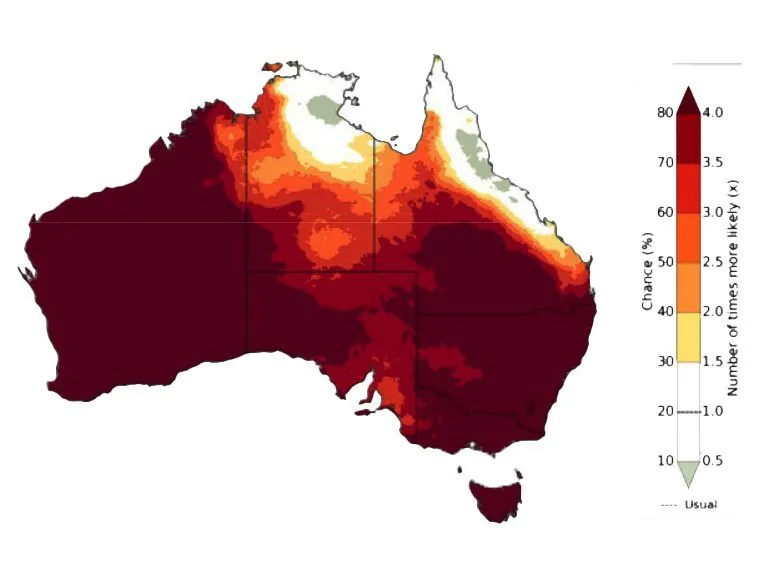
- Australia faces a heightened risk of devastating bushfires this spring, with experts warning of a “perfect storm” of dry conditions, increased fuel loads, and the potential for a record-breaking El Niño event.
- The Australian and New Zealand Council for Fire and Emergency Services (AFAC) has issued a stark warning, with its latest seasonal outlook showing an increased risk of fire in areas across all jurisdictions, except for the ACT.
- Climate scientists say the extra heat associated with climate change is exacerbating the fire season, with Professor David Bowman warning that “it won’t take much to nudge landscapes back into a deep drought” and spark catastrophic fires.
- Australia’s fire season comes on the heels of a devastating summer in the northern hemisphere, marred by successive record-breaking heatwaves and extreme wildfires in Europe, the United States, and Canada.
Australia is bracing for a potentially catastrophic bushfire season, with experts warning of a “perfect storm” of dry conditions, increased fuel loads, and the potential for a record-breaking El Niño event.
The Australian and New Zealand Council for Fire and Emergency Services (AFAC) has issued a stark warning, with its latest seasonal outlook showing an increased risk of fire in areas across all jurisdictions, except for the ACT.
The widespread impact is due to dry conditions in the country’s east and increased fuel loads through parts of central and northern Australia.
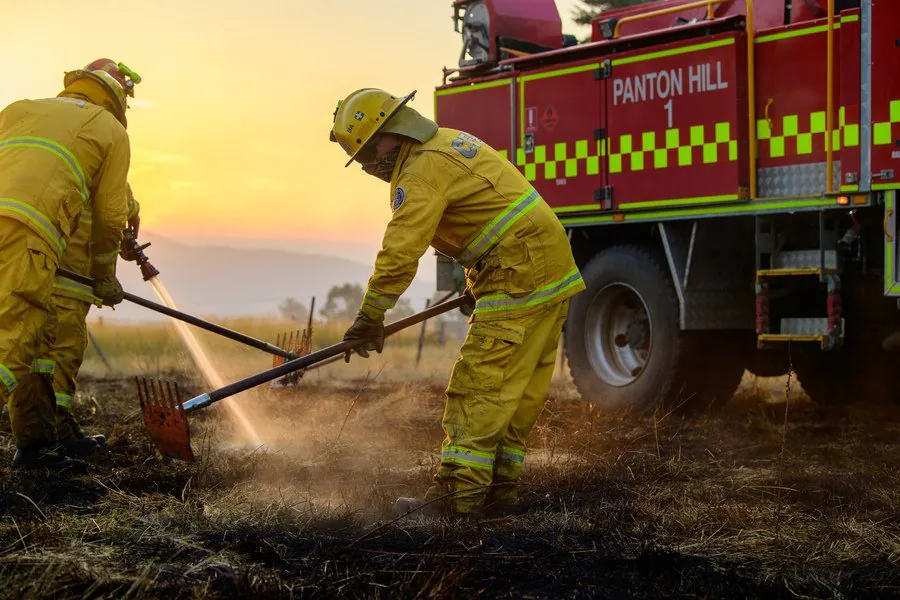
Soil moisture deficits have expanded across eastern Australia and intensified in Western Australia, while increased fuel loads have elevated the fire risk across most of the Northern Territory.
Rainfall is also expected to be higher than normal for most of Western Australia, but the fire risk is high in some areas due to above-average fuel loads and dry soil conditions.



Experts warn that the combination of dry conditions, increased fuel loads, and the potential for a record-breaking El Niño event is a recipe for disaster.
El Niño develops when ocean temperatures in the central Pacific are unusually high, and this year’s event is shaping up to be one of the strongest on record.
The last El Niño, in 2023-24, brought Australia its warmest winter-spring since records began in 1910, and this year’s event is expected to have a similar impact.
Climate scientists have long warned that fire seasons across Australian states and territories will start earlier and persist longer due to climate change.
Professor David Bowman, a professor of pyrogeography and fire science at the University of Tasmania, says the extra heat associated with climate change is exacerbating the fire season.
“Plants are very good at controlling their water use, but if you subject them to very strong heating, you can rapidly stress and dry out landscapes and make the landscapes available for high-intensity fires,” he said.
Australia’s fire season will follow a devastating summer across the northern hemisphere, marred by successive record-breaking heatwaves and extreme wildfires in Europe, the United States, and Canada.
Firefighters across Europe have faced turbulent conditions, including near Porto Germeno, north-west of Athens.
Professor Bowman says Australia’s differences in climate and geography mean it is not necessarily subject to the same fate, but the events reinforce that fire seasons are worsening.
Analysis: What This Means for Australia
The increased risk of bushfires this spring has significant implications for Australia’s national security, law enforcement, and community safety. The potential for catastrophic fires poses a major threat to life and property, and the country’s emergency services are on high alert.
The economic and social consequences of a major bushfire event could be severe, with the potential for widespread destruction, displacement, and loss of life.
Law enforcement insiders warn that the increased risk of bushfires also poses a significant challenge for police and emergency services, who will need to be prepared to respond quickly and effectively in the event of a major fire.
“The risk of bushfires is a major concern for us, and we’re working closely with emergency services to ensure we’re prepared for any eventuality,” said one law enforcement source.
Industry observers believe that the increased risk of bushfires also highlights the need for greater investment in bushfire prevention and mitigation measures, including prescribed burning and forest management.
“We need to take a proactive approach to managing the risk of bushfires, rather than just reacting to them when they occur,” said one industry expert.
As the country prepares for a potentially catastrophic bushfire season, experts are urging Australians to be vigilant and take steps to protect themselves and their properties.
With the potential for record-breaking El Niño event and increased fuel loads, the risk of bushfires is higher than ever.
It’s a stark reminder of the need for Australia to take a proactive approach to managing the risk of bushfires, and to be prepared for the worst.